
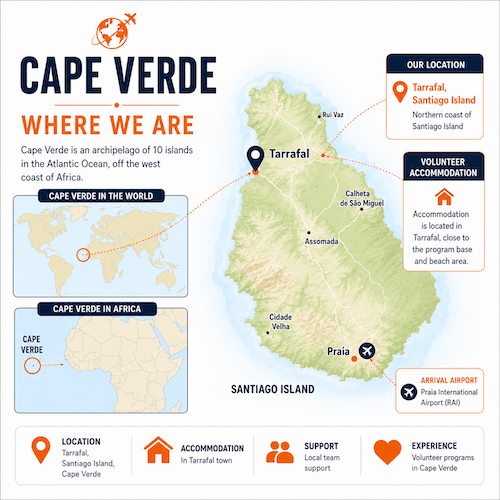
In Cape Verde you can choose from different worthwhile ethical projects in Tarrafal on Santiago Island. Projects include teaching, childcare, sports coaching, construction, farming, and turtle conservation, starting every Monday from 1 to 8 weeks. You can combine the projects during your program.
The Culture Week is recommended as an introduction to Cape Verde, particularly if it’s your first time visiting the country.
Our Partner The Green Lion
We work closely with our long-term partner The Green Lion, one of the world's largest, established and trusted operators of volunteer travel.
The Green Lion operates programmes across 45+ countries, 100+ locations and 300+ programmes, covering Asia, Africa, Latin America, Europe and Oceania.
Green Lion's model is important to understand.
They work with sending organisations such as agencies and manage the actual programme delivery on the ground. Their local teams handle programme operations, accommodation, coordinators, participant support and other in-country services.
That's where we come in.
We help you understand the choices available, identify the programs that fit your plans and arrange your experience.
A Relationship Built Over Many Years
Our founder has worked with The Green Lion for more than 15 years. That long-standing relationship gives us something that is difficult to create overnight.
- We know the organisation.
- We know how the programs work.
- And, we know the people behind them.
We work closely with The Green Lion because we believe their approach gives us the combination we want to offer our travellers:
- Quality programmes.
- Experienced local teams.
- A broad international network.
- Meaningful community experiences.
- And genuine choice.
With access to a network covering 45+ countries and 100+ locations, we can look beyond a single destination when helping you plan your trip.
Our Projects in Cape Verde
We offer a range of volunteer projects in and around Tarrafal, Santiago, from working with children and young people to practical community projects, farming and sea turtle conservation.
- The projects start every Monday and can be combined to create a schedule that suits your trip.
- The Turtle Conservation has fixed seasonal start dates.
- The Culture Week is recommended for first-time visitors who want to get to know Cape Verde before starting their volunteer work.
Culture Week
Recommended for first-time visitors
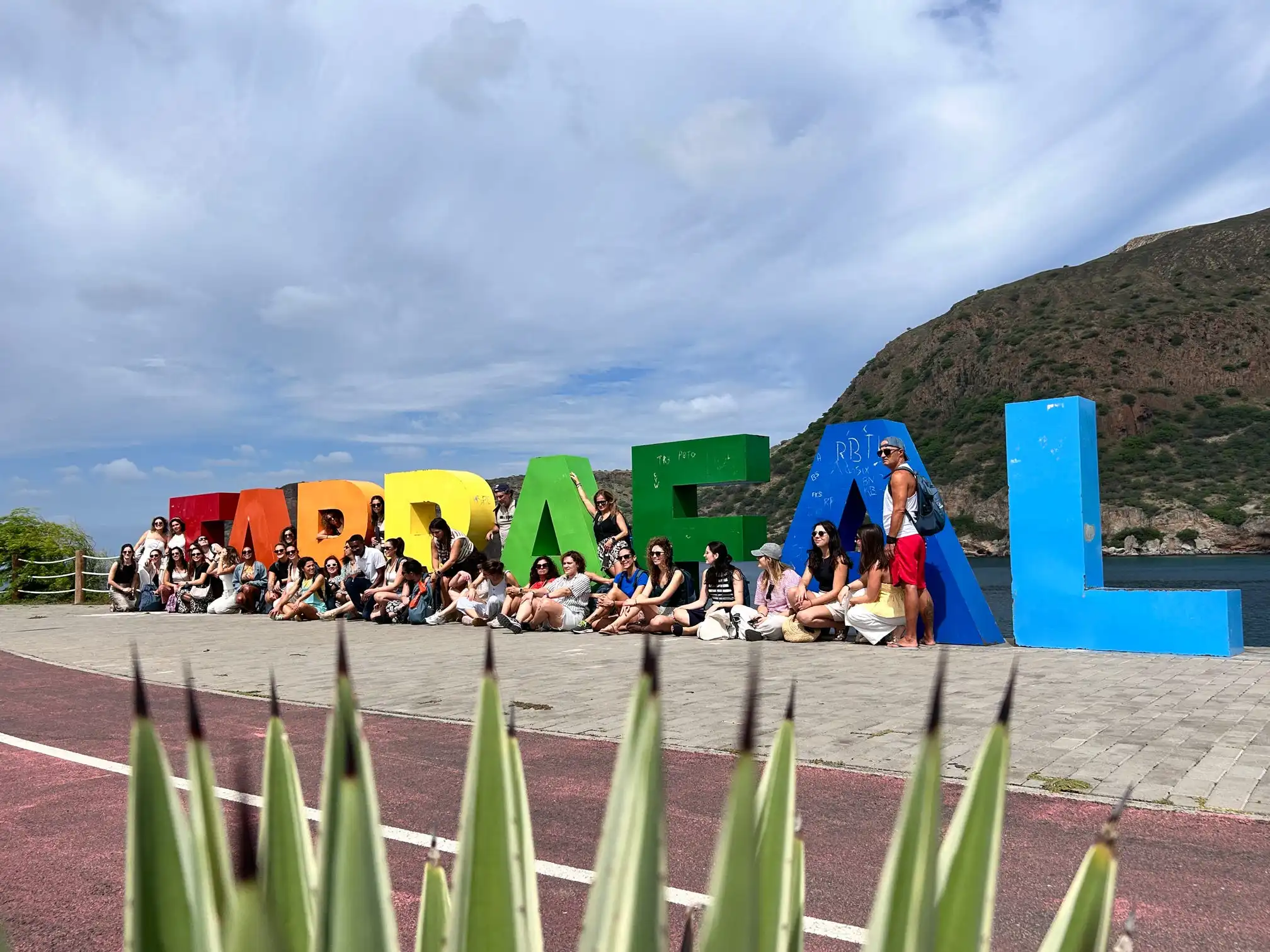
If it’s your first time in Cape Verde, we recommend starting with Culture Week. It’s an introduction to life in Tarrafal, with local activities such as Kriolu, cooking, crafts, fishing, agriculture and visits to cultural and historical sites.
What you’ll do
Culture Week runs from Monday to Friday and includes a different mix of activities throughout the week.
Highlights:
- Learn some basic Kriolu, the local language
- Visit historical and cultural sites in and around Tarrafal
- Visit the Tarrafal concentration camp
- Explore the local market
- Learn about traditional crafts, including pottery and weaving
- Take part in a traditional cooking session and learn how to prepare Cachupa
- Spend time with local fishermen
- Visit local farms and learn more about agriculture
- Take part in activities such as fishing and snorkeling
- Get an introduction to the volunteer projects and the local area
The exact order of activities can change depending on weather, local conditions and other circumstances.
A typical week
Monday
Orientation, introduction to the area, a walking tour, museum and historical visit, the local market and a first cultural activity.
Tuesday
Kriolu, pottery, a visit to a local chapel and time connected with fishing and the coast.
Wednesday
Kriolu and a traditional cooking session, including learning about Cachupa.
Thursday
More Kriolu, followed by traditional weaving and other cultural activities.
Friday
Kriolu, fishing, a visit to local agriculture and an introduction to the volunteer project you’ll be joining.
Who is it suited to?
Culture Week is particularly useful if:
- It’s your first visit to Cape Verde
- You want some time to settle in before starting your project
- You’re interested in the country and its culture, rather than only the volunteer work
- You want to understand more about the community where you’ll be staying
- You’re combining more than one volunteer project
Good to know
Culture Week is recommended, but not mandatory. You can start directly with a volunteer project if that makes more sense for your plans.
The week is based in Tarrafal, on Santiago Island. Activities are organised locally, so the schedule can change when weather or local circumstances require it.
How it fits into your trip
Most volunteer projects in Cape Verde can be arranged around your own travel plans, with starts generally on a Monday. This means Culture Week can be used as the first week of your trip, followed by another volunteer project, or you can choose to begin directly with your chosen project.
If you’re not sure whether Culture Week makes sense for your trip, tell us what you’re planning and we can advise you.
Teaching
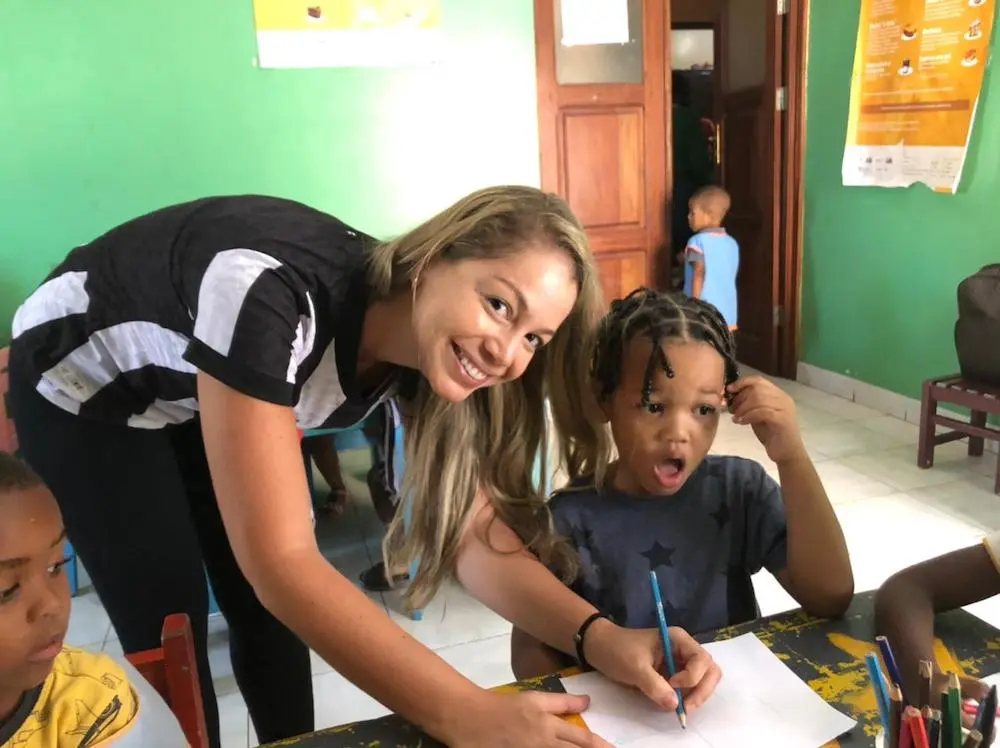
Help local teachers support children with conversational English and classroom activities in Tarrafal. You’ll work alongside local educators, helping with lessons and finding practical, creative ways for students to practice their English.
What you’ll do
Highlights
- Conversational English
- Classroom support
- Games and songs
- Small-group and one-to-one activities
- Lesson planning
- Preparing teaching materials
- Creative and recreational activities
- School events and community activities
- Working alongside local teachers
What you’ll do
Your role is to support the local teachers rather than replace them. You’ll help with English lessons and other activities according to the needs of the school and students.
Depending on the class and the needs at the time, you may:
- Help students practice basic conversational English
- Use songs and games to make English practice more engaging
- Assist the teacher during classroom lessons
- Work with smaller groups of students
- Provide one-to-one support where appropriate
- Help plan lessons and prepare teaching materials
- Bring creative ideas and activities into the classroom
- Take part in school events and community activities
- Keep a record of lesson plans and activities
Who is it suited to?
Teaching is a good fit if you enjoy working with children and are interested in education, languages or working in a classroom setting.
You don’t need to be a qualified teacher to take part, but you should be comfortable working with children, prepared to get involved and willing to work according to the needs of the local teachers and students.
Working with the local teachers
You’ll work alongside local educators rather than working independently. They provide the local context and guidance, while you support their existing classes and activities.
Being prepared and punctual is important, particularly when you are helping with planned lessons or classroom activities.
A typical week
The Teaching project runs from Monday to Friday.
Your activities can include assisting in regular classes, working with smaller groups or individual students, preparing lessons and materials, and organising creative or recreational activities.
The exact activities depend on the needs of the students and the school at the time.
Good to know
The focus is on supporting conversational English and classroom learning. Your role is not to arrive with your own teaching system or take over from the local teachers.
Being flexible is important. Classes, student needs and activities can vary, so the most useful volunteers are those who are willing to adapt and work with what is needed locally.
If you enjoy working with children and want a project where you can contribute through language, creativity and classroom support, Teaching could be a good fit for you.
Childcare
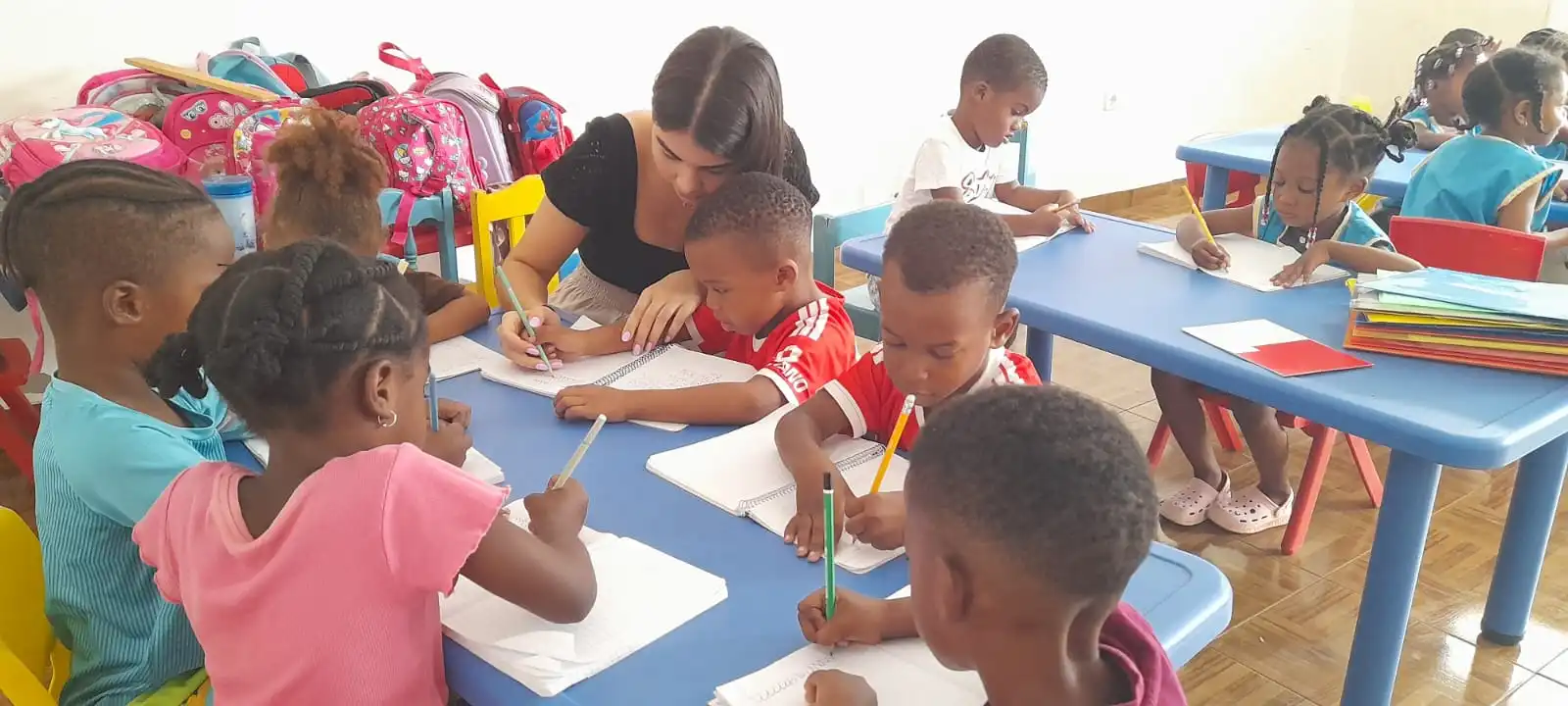
Support local staff working with young children in daycare, kindergarten and early primary settings in Tarrafal. You’ll help with daily routines, educational activities, creative play and basic care while working alongside the local team.

What you’ll do
Highlights
- Working with children aged 2–6
- Daycare and kindergarten activities
- Educational activities
- Creative play
- Daily routines
- Basic childcare
- Preparing activities and materials
- Working alongside local staff
What you’ll do
Your role is to assist the local staff with the daily activities and routines of the children. Depending on what is needed, you may:
- Help with daily childcare routines
- Take part in educational activities
- Organise creative activities and play
- Support children during meals and other daily routines
- Assist with basic care
- Help with teaching activities
- Prepare materials for activities
- Spend time playing and interacting with the children
Who is it suited to?
Childcare is suited to people who enjoy spending time with young children and want to experience what early childhood education and care looks like in a local setting.
Patience, flexibility and a willingness to get involved are important.
Working with the local staff
You’ll work alongside local staff rather than taking responsibility for the children independently. They provide guidance and help determine what support is needed each day.
A typical week
The project runs from Monday to Friday.
The first day includes orientation, an introduction to Kriolu and the local area, and time to get familiar with your surroundings.
From Tuesday onwards, activities generally include childcare and educational activities in the morning, followed by caretaking, teaching activities and preparation of materials in the afternoon.
Good to know
The focus is on supporting the local childcare setting, not replacing the local staff. The activities can vary depending on the needs of the children and the daily routine of the centre.
If you enjoy working with young children and want a practical introduction to childcare in Cape Verde, this could be a good fit.
Special Needs
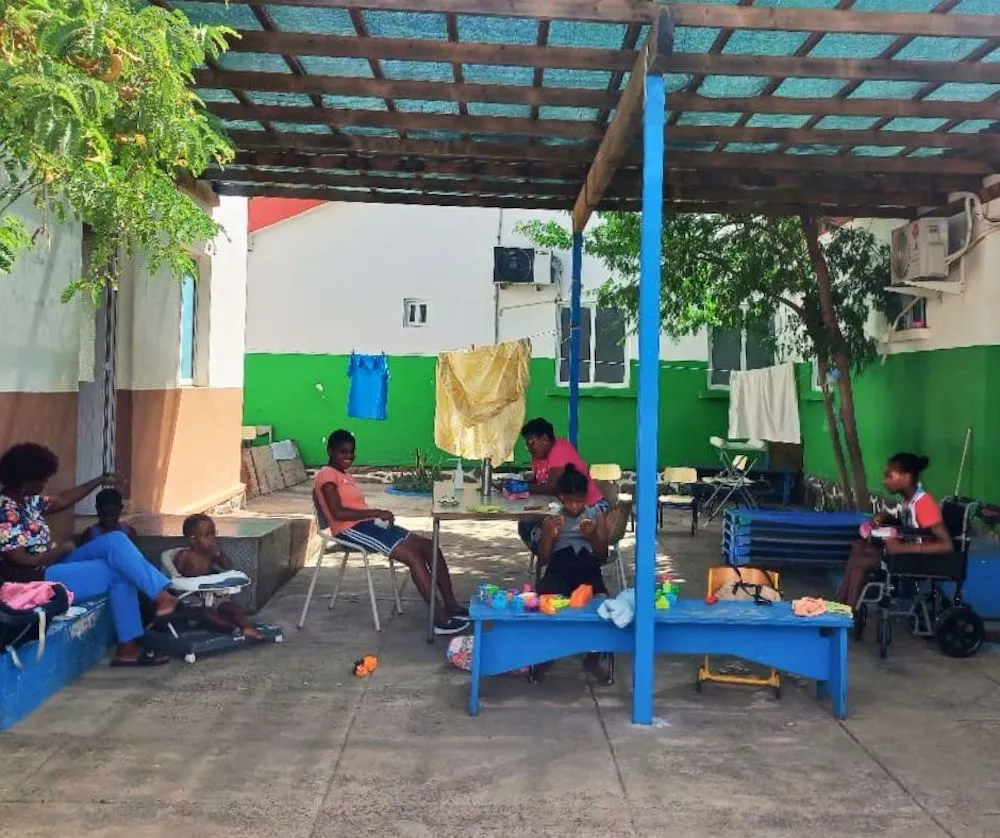
Support children, young people and young adults with physical, cognitive and sensory disabilities at a care centre in Tarrafal. You’ll work alongside trained local caregivers and professionals, helping with daily routines, activities, communication and supervised support.
What you’ll do
Highlights
- Supporting children, young people and young adults
- Daily care routines
- Educational and creative activities
- Sensory activities and games
- Communication and interaction
- Supervised physiotherapy and motor stimulation
- Recreational activities
- Feeding and food distribution
- Working alongside trained local staff
What you’ll do
The work takes place at a local care centre and your role is to support the people who use the centre in their daily activities.
Depending on the needs of the centre and the people you are supporting, you may:
- Assist with daily routines
- Take part in educational activities
- Organise creative and recreational activities
- Use sensory games and activities
- Support communication and interaction
- Assist with supervised physiotherapy and motor stimulation
- Help with food distribution and feeding
- Help create a safe and welcoming environment
- Support activities designed around inclusion and participation
Volunteers with relevant professional experience or training may be able to contribute additional support, but this is always done under the supervision of the local professionals.
Who is it suited to?
This project is best suited to people who are patient, empathetic and comfortable working with people who have different physical, cognitive or sensory needs.
It can be emotionally and mentally demanding. Progress may be gradual, and communication can sometimes be difficult. Being able to respect boundaries and work patiently is important.
Working with the local team
You’ll work alongside trained local caregivers and professionals. This is not a clinical placement, and volunteers do not provide independent medical or therapeutic care.
The local team guides the activities and determines where support is needed.
A typical week
The schedule depends on the activities of the centre and the needs of the people there.
The first week includes orientation and an introduction to the local area before moving into the care centre activities. During the second week, volunteers can become more familiar with the routines and take a deeper role in the activities.
Good to know
This is one of the more demanding volunteer projects in Cape Verde. It requires patience, resilience and a willingness to work at the pace of the people you are supporting.
If you have a genuine interest in disability support and want to work alongside an existing local care team, this project may be a good fit.
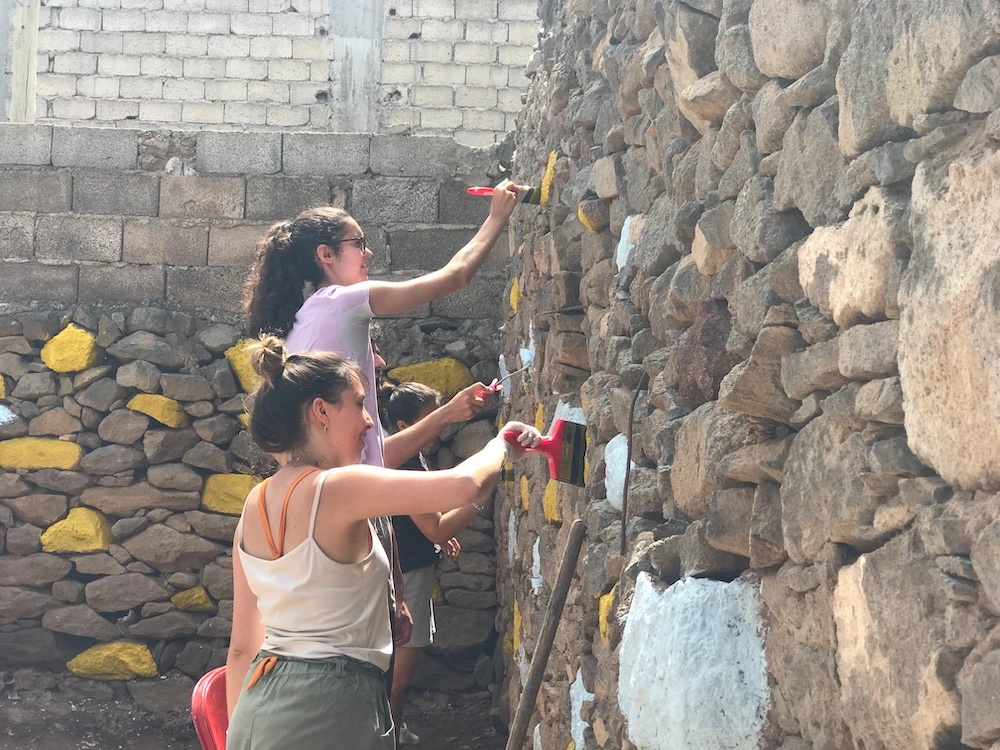
Construction & Renovation
Get involved in practical renovation and improvement work at schools in and around Tarrafal. You’ll work on projects such as classrooms, libraries, playgrounds and other learning facilities, alongside the local team.
What you’ll do
Highlights
Painting
Brickwork
Carpentry
Landscaping
Repairs
Murals
School and community facilities
Practical, hands-on work
What you’ll do
The work depends on the current needs of the schools and facilities. Tasks can include:
Painting classrooms and other spaces
Brickwork
Basic carpentry
Landscaping
General repairs
Helping improve playgrounds
Renovating libraries and classrooms
Creating murals and other improvements to learning spaces
You’ll work as part of a practical team and the specific tasks can change during your stay.
Who is it suited to?
This project is suited to people who prefer practical, hands-on work and don’t mind getting stuck into physical tasks.
Previous construction experience can be useful, but the project is also suitable for volunteers who simply enjoy working with their hands and learning as they go.
Working with the local team
You’ll work alongside the people responsible for the project and follow their guidance on the work that needs to be done.
Safety is important, particularly when carrying out physical work or using tools and materials.
A typical week
The project runs from Monday to Friday.
The first day includes orientation, an introduction to Kriolu and the local area, followed by the start of the project.
From Tuesday to Friday, you’ll generally spend your working days on site carrying out renovation, repair or improvement work.
Good to know
This is physical work. Expect to spend time outdoors and on practical tasks rather than in a classroom or office.
The exact work depends on what the schools and facilities need at the time, so flexibility is important.
If you prefer doing something tangible and practical during your volunteer trip, rather than working primarily with children or in conservation, this could be a good option.
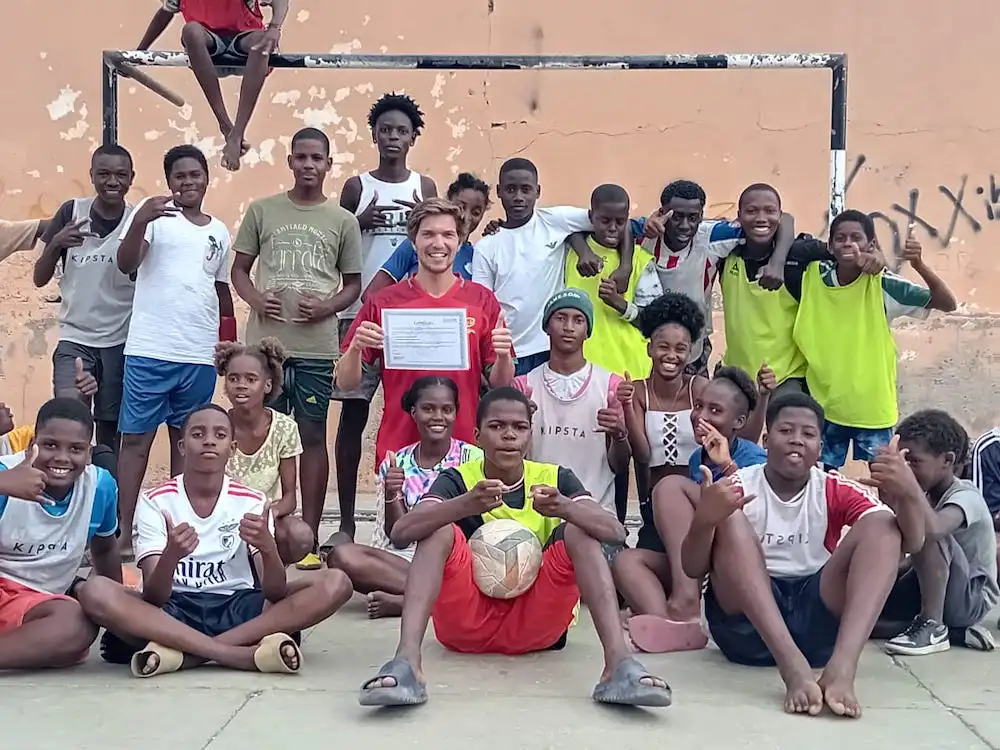
Sports Coaching
Use football and basketball to work with children and young people in Tarrafal. You’ll help with training sessions, games and activities designed around participation, teamwork and developing sporting skills.
What you’ll do
Highlights
- Football
- Basketball
- Warm-ups and drills
- Skill development
- Team games and matches
- Team-building activities
- Working with different ages and abilities
- Recreational activities
What you’ll do
You’ll work with children of different ages and abilities, helping to organise and support sports activities.
Sessions can include:
- Warm-up exercises
- Football or basketball drills
- Skill development
- Team-building exercises
- Practice games and matches
- Cool-down activities
- Recreational sports activities
You’ll coordinate with the local sports coordinator, who can help determine the activities and level of the sessions.
Who is it suited to?
This project is suited to people who enjoy sport and like working with children and young people.
You don’t need to be a professional coach, but you should be comfortable taking part in physical activities and working with different ages and ability levels.
Working with the local team
You’ll work with the local sports coordinator rather than running the sessions independently. The activities can be adapted according to the ages, abilities and needs of the participants.
The focus is not only on sporting ability. Sessions can also encourage teamwork, confidence, discipline and resilience.
A typical week
The project runs from Monday to Friday.
You’ll take part in sports activities throughout the week, with the exact sessions depending on the ages, abilities and interests of the children and young people taking part.
Good to know
The project focuses on football and basketball, so it is particularly suitable if one or both of these sports interest you.
You should be prepared to adapt activities to different levels rather than expecting everyone to have the same sporting ability.
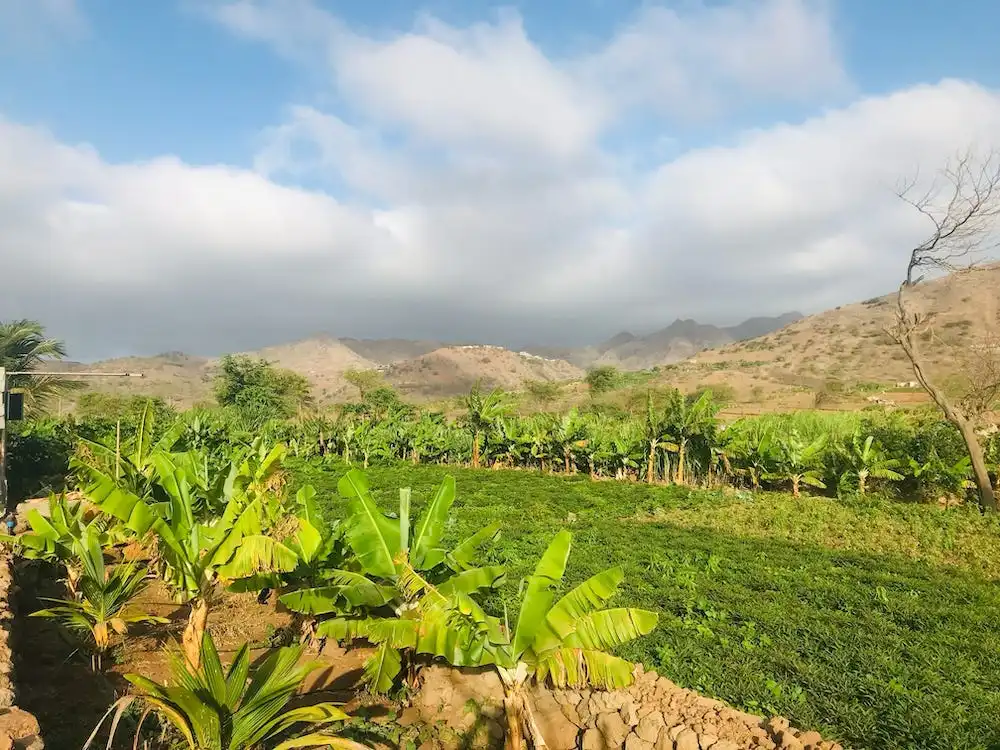
Farming
Spend time working alongside local farmers in and around Tarrafal and learn more about traditional farming practices. The work is practical and changes according to the season and what is happening on the farms at the time.
What you’ll do
Highlights
- Soil preparation
- Planting
- Harvesting
- Animal care
- Working alongside local farmers
- Traditional farming practices
- Outdoor, hands-on work
- Seasonal activities
What you’ll do
Your activities depend on what the local farmers need and what is happening during the growing season.
You may help with:
- Preparing soil
- Planting crops
- Harvesting
- Caring for animals
- General farm work
- Other practical tasks required on the farm
The work gives you the opportunity to spend time with local farmers and learn how farming is carried out in the area.
Who is it suited to?
Farming is a good fit if you enjoy being outdoors, prefer practical work and are interested in local agriculture.
You should be comfortable with physical work and with the fact that the work can vary from week to week.
Working with local farmers
You’ll work directly with local farmers and follow their guidance on the tasks that need to be done.
The work is based on what is actually needed on the farm rather than a fixed list of activities.
A typical week
The project runs around the farming activities taking place at the time of your visit.
A typical week may include orientation on Monday, farm work from Tuesday to Thursday, followed by field activities or reflection on Friday.
The exact schedule can change according to the season and growing conditions.
Good to know
Farming is seasonal. The type of work available depends on growing conditions and what needs to be done locally when you arrive.
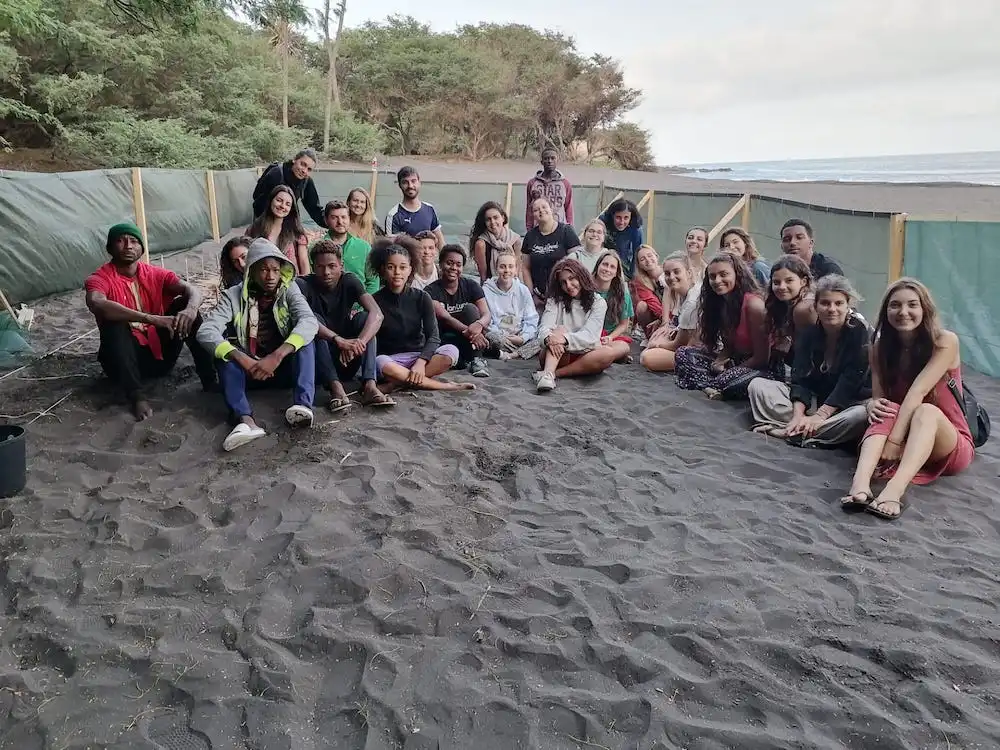
Turtle Conservation
Join a seasonal sea turtle conservation project on the beaches of northern Santiago. The work takes place at night, with volunteers patrolling the beach, monitoring nesting turtles and helping protect nests and hatchlings.
What you’ll do
Highlights
- Night-time beach patrols
- Monitoring nesting turtles
- Nest relocation
- Hatchery protection
- Biological data collection
- Beach clean-ups
- Conservation awareness activities
- Overnight beach camping
What you’ll do
The project focuses on the protection and monitoring of loggerhead turtles during the nesting season.
Depending on the work required, you may:
- Patrol beaches at night
- Monitor nesting females
- Record information about nesting activity
- Help relocate nests when required
- Help protect the hatchery
- Collect biological data
- Take part in beach clean-ups
- Support conservation awareness workshops
The project takes place around Ribeira da Prata and Tarrafal beaches in northern Santiago.
Who is it suited to?
This project is suited to people who are genuinely interested in wildlife conservation and are comfortable with a very different routine from a daytime volunteer project.
You need to be prepared for night work, long hours outdoors and sleeping at the beach.
A typical night
The conservation work takes place overnight.
A typical schedule starts with dinner around 7:30 pm, followed by departure for the beach at around 8:00 pm. Patrols then continue through the night, with volunteers returning around 6:00 am.
The exact schedule can change depending on turtle activity and local conditions. Some work may also take place on Saturdays.
Good to know
This is a seasonal project with fixed start dates. Unlike the other Cape Verde projects, you cannot simply choose any Monday to start.
The project also involves overnight beach camping and night-time conservation work, so it is important to understand the routine before choosing it.
Start dates
The Turtle Conservation project has fixed seasonal start dates. The available dates are updated each year, so check the current dates when planning your trip.
2026: September 21, September 28, October 5, October 12, October 19, October 26
2027: July 5, July 12, July 19, July 26, August 2, August 9, August 16, August 23, August 30, September 6, September 13, September 20, September 27, October 4, October 11, October 18, October 25
A Note From Kurt
I know it can feel like a lot of options.
When you first start looking at volunteering in Cape Verde, you'll see different locations, different projects, different durations and different ways of putting a trip together. It can all start to look a bit confusing.
Tell us what you're hoping to get from your trip, when you want to travel and anything you're unsure about. I'll look at your plans and we'll advise you on the options that make the most sense.
I will personally review your message.
— Kurt, Founder, Abroad Escape
How long can you volunteer?
You can start every Monday for 1 to 8 weeks. The Turtle Conservation has a minimum duration of 2 weeks.
Arrival and orientation
Volunteers arrive at Praia International Airport (RAI) on Sunday. The local team transfers volunteers to the accommodation in Tarrafal.
Orientation takes place on Monday and covers practical information, local customs, project expectations, health and safety, accommodation and daily routines.
Accommodation
Volunteers stay in shared accommodation in Tarrafal, in seperate male and female rooms.
There is free WiFi in the common areas. Towels are not provided, so volunteers need to bring their own.
Meals
Meals are included.
- Monday to Friday: breakfast, lunch and dinner
- Weekends: brunch and dinner
Food includes local Cape Verdean dishes alongside more familiar Western options. Dietary requirements should be communicated in advance so they can be checked with the local team.
Life in Tarrafal
Tarrafal is a coastal town rather than a major tourist center. Volunteers can reach local shops, restaurants, ATMs and mini-markets from the accommodation.
The beaches are an important part of life outside the project, and volunteers can use their free time to explore the coast or take part in activities such as snorkelling and surfing.
The town also has important historical sites, including the former Tarrafal concentration camp, now associated with the Resistance Museum.
Frequently Asked Questions
Can I start my Cape Verde volunteer program on any day?
Volunteer programs generally start on Mondays, so you should arrive on the Sunday before your program begins.
How long can I volunteer in Cape Verde?
Programs are available from 1 to 8 weeks, depending on the project and your plans.
Can I combine different volunteer projects?
Yes. You can combine different projects during your stay, depending on availability and the requirements of each project. Tell us your plans and we'll help you work out what is practical.
Can I volunteer in Cape Verde without previous experience?
Yes. Previous volunteering experience is not required for the projects. Some placements.
Do I have to do Culture Week?
No. Culture Week is optional. It can be a useful way to settle into Tarrafal, learn more about Cape Verdean culture and get familiar with the local area before starting a volunteer project.
Get Your Personalised Program & Price
Join from only €495 / £435 / US$565
Tell us a little about your plans ... when you want to travel, how long you have, what interests you and what kind of experience you’re looking for.
We’ll help you put it together, recommend the schedule that could be right for you, discuss it with you, and make a detailed price quotation for you.
So, complete the short form below. You don’t need to have everything figured out, that’s what we’re here to help with.
There’s no obligation to book. Take your time, ask us any questions and decide whether the proposed trip is right for you.
Ready to see what your trip could look like? Complete the form below and let’s start planning!