
Medical Internship in Bali with Abroad Escape
4–12 week medical internship in Bali for medical, nursing and allied health students who want supervised observation of healthcare practice in Indonesia.
You can shadow healthcare professionals, observe patient consultations and clinic routines, and see how healthcare is delivered in a different healthcare system. The placement is primarily observation-based, so you should not expect to work independently with patients.
Tell us what you are studying, when you want to travel and how long you want to stay. We'll help you work out whether this internship is a suitable fit before you apply.
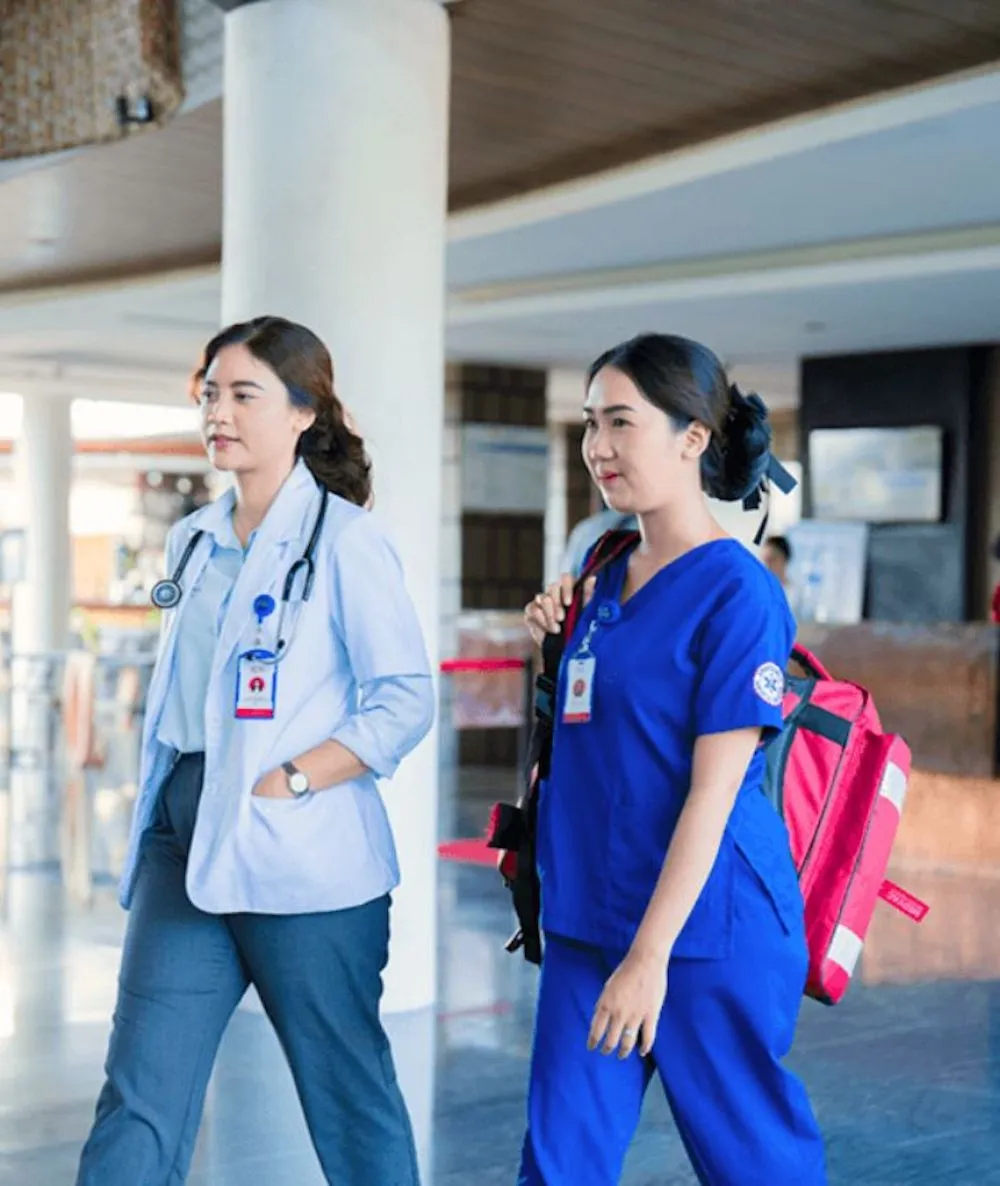
Is this Bali medical internship right for you?
This program is aimed at students and graduates with a background in medicine, nursing or an allied health field who want to see how healthcare works in Bali.
It is a good fit if you want to learn by observing qualified healthcare professionals, understand a different healthcare system and gain experience working around patients and clinical teams.
Key details
-
Duration: 4–12 weeks
-
Starts: Weekly, year-round
-
Schedule: Monday to Friday
-
Typical hours: 5–6 hours per day
-
Minimum age: 18
-
English: Advanced English
-
Background: Medical, nursing or allied health studies
-
Application: At least 6 weeks before arrival
What you should expect
The placement is primarily observation-based. You may shadow doctors and nurses during consultations and other clinical activities, but what you are allowed to do depends on your qualifications, the placement facility and local requirements.
You should not book this internship expecting to diagnose patients, provide treatment independently or replace your clinical training at university.
That distinction matters. If your main reason for travelling is to get extensive hands-on clinical experience, we should discuss your expectations before you apply.
Who is this internship best suited to?
Medical students who want to see healthcare outside their home system.
Nursing students who want to observe patient care and clinical routines in another country.
Allied health students looking for international exposure related to their field.
Students considering a healthcare career who want a better understanding of clinical work before deciding on their next step.
If you tell us your course, year of study, preferred dates and what you want to learn, we can tell you whether this program looks suitable before you commit.
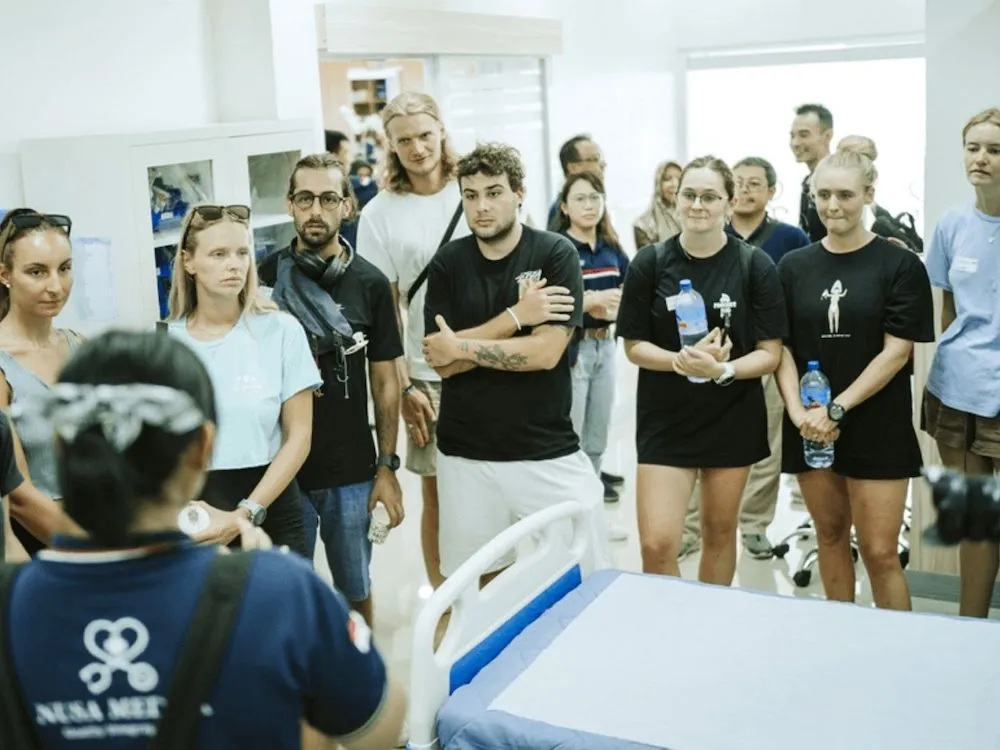
The Bali Medical Internship: What You’ll Actually Do
If you are considering a medical internship in Bali, the important question is not simply whether you will be in a clinic. You want to know what you will see, who you will learn from, how much responsibility you will have and what the experience will actually be like.
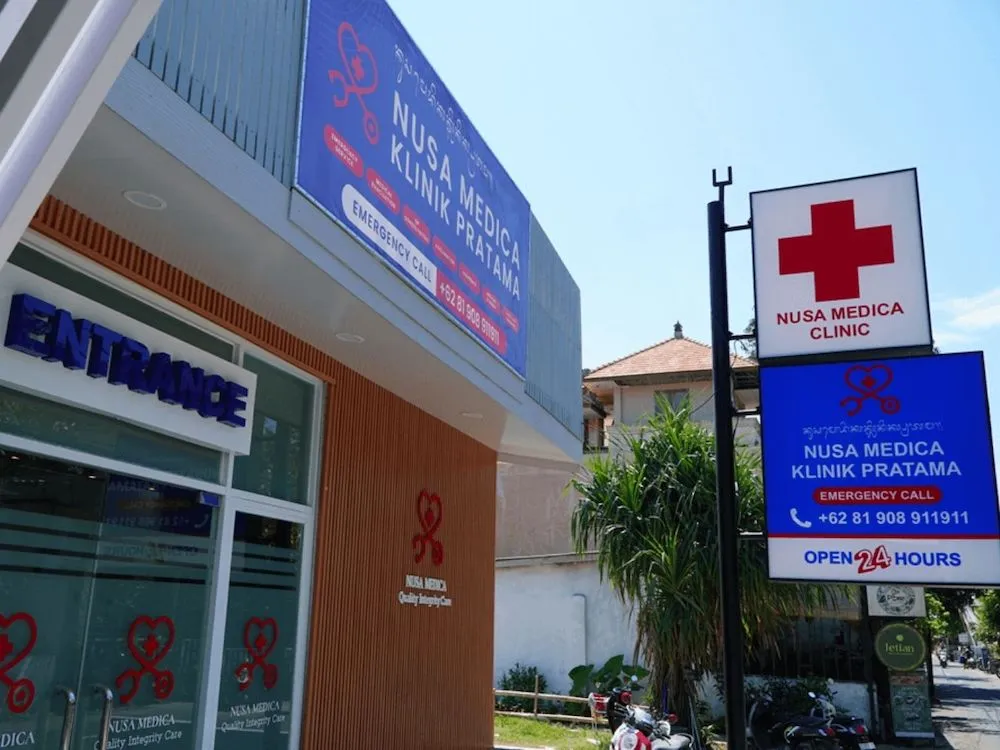
This internship places eligible medical, nursing and allied health students with a private healthcare provider in Bali. The facilities are accredited by LAFKESPRI, the Indonesian body responsible for quality assurance for primary healthcare facilities. You will be supervised by licensed medical professionals and supported by the local coordination team.
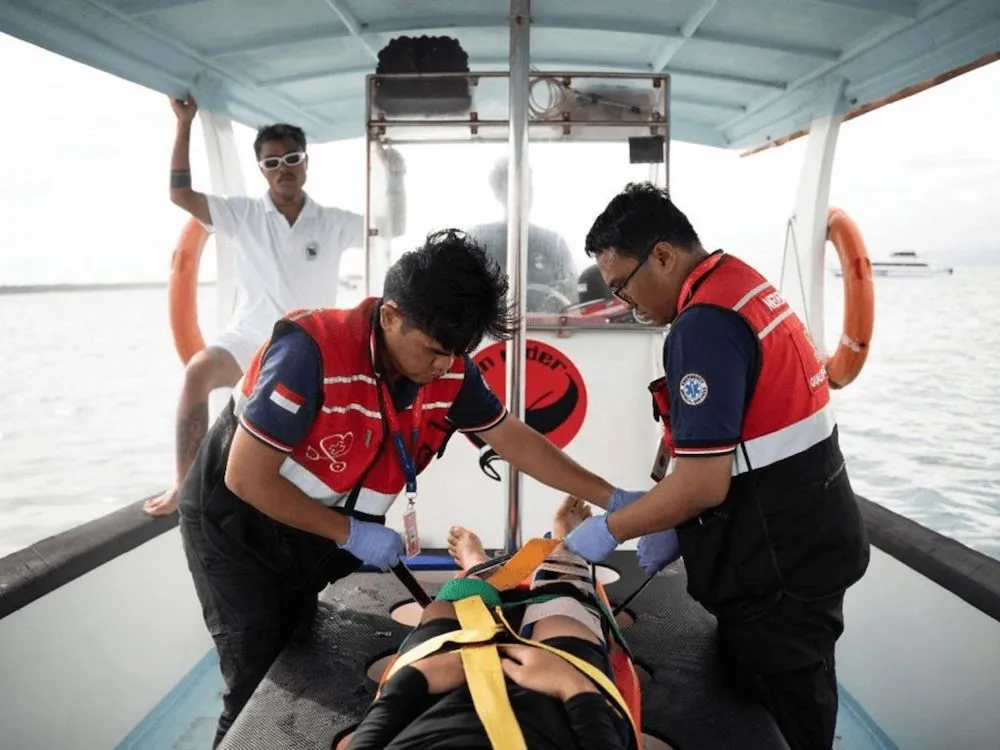
The placement can give you a look at several parts of healthcare that you may not encounter at home. Depending on your placement, you may observe patient consultations, primary care, triage, wound care, emergency stabilisation, documentation and patient referrals. You can also learn about medical assistance and evacuation, including how emergency cases may be managed across Bali's island network.
Shadow doctors and nurses
Most of your learning comes from watching experienced healthcare professionals at work.
You may follow doctors and nurses during consultations and basic assessments, see how patients move through the clinic, and observe how healthcare professionals communicate with patients and with each other.
Because the clinics also serve international visitors, you may encounter multilingual staff and different approaches to communication and patient care. This can be useful if you are interested in working in healthcare where cultural and language differences are part of everyday practice.
See how a different healthcare system works
One of the more interesting parts of an overseas medical internship is seeing things that you recognise from your studies in a different setting.
You can follow patient intake and documentation, observe triage and treatment planning, and see how staff handle referrals and emergency situations. Preventive healthcare, routine check-ups, health screening and patient education may also form part of the placement.
The point is not to come away thinking that one healthcare system is better than another. It is to see how the same broad medical principles are applied in a different country, with different resources, patients, working practices and cultural expectations.
Emergency care and medical evacuation
The placement can also give you an introduction to the emergency side of healthcare.
You may observe how staff assess and stabilise emergency cases and how decisions are made about further treatment or referral. The healthcare provider also works with medical assistance and evacuation services, giving interns an opportunity to understand how air, land and sea evacuation can form part of emergency care in an island environment.
This is observation and supervised learning. You are not going to Bali to practise medicine independently. What you can participate in depends on your qualifications, the facility and what the supervising professionals consider appropriate.
Your first week
The first few days are about getting settled and understanding where you are.
After arriving, you receive an orientation covering Bali, local customs, basic Indonesian phrases and practical information about your accommodation and surroundings. You are then introduced to your medical placement, meet the healthcare team and go through clinic procedures, hygiene, confidentiality and your learning goals with your supervisor.
By the end of the first week, you should have a much better feel for the clinic and its daily routine.
A typical week then runs Monday to Friday, around 5–6 hours per day. Weekends are free for rest, travel or exploring Bali.
How the experience develops
The program is available for 4 to 12 weeks, with weekly starts throughout the year.
If you stay longer, the experience naturally changes as you become familiar with the people and routines around you.
During the first weeks, you are getting used to the environment and learning how the clinic works. With more time, you can follow patient cases and workflows with greater context, and your observation may include more complex cases, emergency preparedness and coordination between departments.
The final stage is about reviewing what you have learned and discussing your experience with your supervisor.
The important distinction
I would be very clear about this before you apply:
This is a medical internship, but it is not a substitute for clinical training at your university or a medical job in Bali.
The program is built around observation, supervised learning and exposure to professional healthcare practice. Depending on your background and the placement, you may be able to assist with appropriate activities, but there is no promise of independent patient treatment or guaranteed hands-on procedures.
For the right student, that is still a worthwhile experience. You get to step outside the classroom, spend several weeks around working healthcare professionals and see first-hand how a different healthcare system operates.
That is a much more useful thing to take home than simply being able to say you spent a few weeks in Bali.
What you will do during the internship
The exact placement depends on the healthcare facility and your background, but the internship is built around observing healthcare professionals and learning how a clinical setting operates.
You may spend time with doctors and nurses during consultations, patient intake, triage and routine clinic activities. Depending on the placement, you may also observe wound care, emergency response, medical documentation and other healthcare processes.
Areas you may be exposed to
-
Patient consultations — observe how healthcare professionals communicate with patients and assess their needs.
-
Patient flow and triage — see how patients are received, assessed and directed through the clinic.
-
Primary care — observe routine healthcare, health checks and patient education.
-
Emergency care — gain an understanding of how emergency cases and referrals are handled.
-
Clinical documentation — see how information is recorded and managed within the healthcare setting.
-
Medical communication — observe how local staff communicate with patients and other members of the healthcare team.
Your supervisor will determine what you can observe or participate in. You are there to learn, not to work as an independent healthcare professional.
This is the section where I would stop. The current page has five separate sections repeating essentially the same information. Combining them gives the student the answer without making the page unnecessarily long.
What does a typical internship week look like?
Your internship runs Monday to Friday, usually for around 5–6 hours a day. The exact timetable depends on the clinic, your placement and the activities available that week.
A typical day might include:
Morning
Travel to your placement and begin observing doctors, nurses or other healthcare staff.
During the placement
Follow consultations, patient intake, triage and other clinical routines. Depending on your placement, you may also observe documentation, wound care, emergency procedures or other areas of healthcare.
Afternoon
Continue your observation or spend time discussing what you have seen with your supervisor. The balance between clinical observation and other activities can vary.
Evening
Your evenings are generally free. You can rest, explore Bali or spend time with other interns.
The schedule isn't fixed. Healthcare placements depend on the needs of the facility, so I would treat the example schedule as a guide rather than a promise of exactly what you will do each day.
Where you’ll stay in Bali
The internship accommodation is around 15 minutes from Ubud. It gives you a quieter base away from the busiest parts of Bali while still being close enough to reach Ubud and your placement.
Accommodation is shared with other interns, with 1–2 interns per room. Rooms have a private bathroom, hot shower, bed linen and lockers, and Wi-Fi is available in the common areas.
Breakfast is included each day. Lunch and dinner are not included, so you can eat locally and choose where and what you want to eat.
Bali medical internship Prices
| Duration | USD | EUR | GBP |
|---|---|---|---|
| 4 weeks | $3,063 | €2,505 | £2,254 |
| 6 weeks | $3,712 | €3,035 | £2,731 |
| 8 weeks | $4,837 | €3,955 | £3,559 |
| 10 weeks | $5,778 | €4,725 | £4,252 |
| 12 weeks | $6,549 | €5,355 | £4,819 |
What’s included in the Bali medical internship?
The package covers the main practical arrangements you need for the internship, but there are also some costs you should budget for yourself.
Included
- Medical internship placement
- Accommodation
- Daily breakfast
- Airport pickup during the included arrival period
- Transport to the placement Monday to Friday
- Supervision from qualified healthcare staff
- Local support
- White scrubs for the internship
- Certificate or reference letter on completion, where applicable
Not included
- International flights
- Visa costs
- Travel insurance
- Lunch and dinner
- Personal expenses
- Optional tours and activities
The exact arrangements should always be confirmed in your proposal before you book, particularly the accommodation dates, placement location and inclusions.
The important point: you are paying for a structured internship package, not simply access to a clinic. Accommodation, arrival support, local coordination and placement arrangements are part of what makes the program workable for an international student.
What you should know before applying
This is an international internship, so there are a few practical things worth checking before you commit.
You should be comfortable working in a healthcare environment, follow the rules of the placement facility and understand that your activities will be limited by your training, qualifications and local requirements.
You should also have your documents ready. The program requires a CV, passport copy, background check, university or supervisor reference, motivation letter, and relevant certificates or academic transcripts.
Before you apply
-
Check that your medical, nursing or allied health background meets the program requirements.
-
Make sure you can commit to at least 4 weeks.
-
Allow at least 6 weeks before your intended arrival to apply.
-
Check with your university if you need the internship to meet specific placement or academic requirements.
-
Make sure you have appropriate travel and medical insurance.
If you are unsure about any of these requirements, ask us before applying. It is better to establish that the program fits you before you pay a deposit.
Bali Medical Internship FAQs
Do I need to be studying medicine or nursing?
Yes. The program is intended for participants with a medical, nursing or allied health background. Your specific background will be checked as part of the application.
How long can I do the internship for?
The program runs for 4 to 12 weeks, with weekly starts throughout the year.
Will I get hands-on medical experience?
The internship is primarily based on observation and supervised learning. What you can participate in depends on your qualifications, the placement facility and local requirements, so you should not expect to work independently with patients.
Where will I do my internship?
Placements may be available in Ubud, Pecatu or Canggu, depending on the healthcare facility and availability. Your final placement will be confirmed before you travel.
Where will I stay?
Accommodation is provided in Pejeng, near Ubud. You will normally share a room with 1–2 other interns, and breakfast is included.
Can my university count this as part of my studies?
That depends on your university and course. If you need the internship to fulfil a university requirement, check with your course supervisor before booking.
What happens after I enquire?
We'll look at your background, dates and what you want from the internship, then explain whether this program appears suitable and provide the relevant details and price before you decide whether to apply.
Not Sure If This Bali Medical Internship Is Right for You?
Tell us what you are studying, when you want to travel and how long you would like to stay.
We’ll help you understand whether the internship fits your background, what you can expect from the placement and what the program includes before you decide.