
What Will You Do as a Volunteer in Montenegro?
Most volunteer programs in Montenegro involve practical work that supports local conservation projects or community initiatives. Your day-to-day activities depend on the programme you join, the season and the priorities set by the local organisation running the project.
This guide explains the work volunteers typically do, what a normal day looks like and how projects change throughout the year. If you're planning a gap year, career break or short volunteer trip, it will help you decide whether volunteering in Montenegro is the right fit.
Abroad Escape helps travellers compare and book volunteer programmes and internships run by experienced local organisations. We provide information, booking assistance and pre-departure guidance, while your placement, accommodation, orientation and local support are managed by the organisation delivering the project. This guide explains what volunteers typically do in Montenegro so you can decide whether a programme matches your interests and expectations.
What Types of Volunteer Work Can You Do in Montenegro?
Most volunteer programmes in Montenegro focus on either environmental conservation or community projects. In both cases, volunteers support work that local organisations have already identified as a priority.
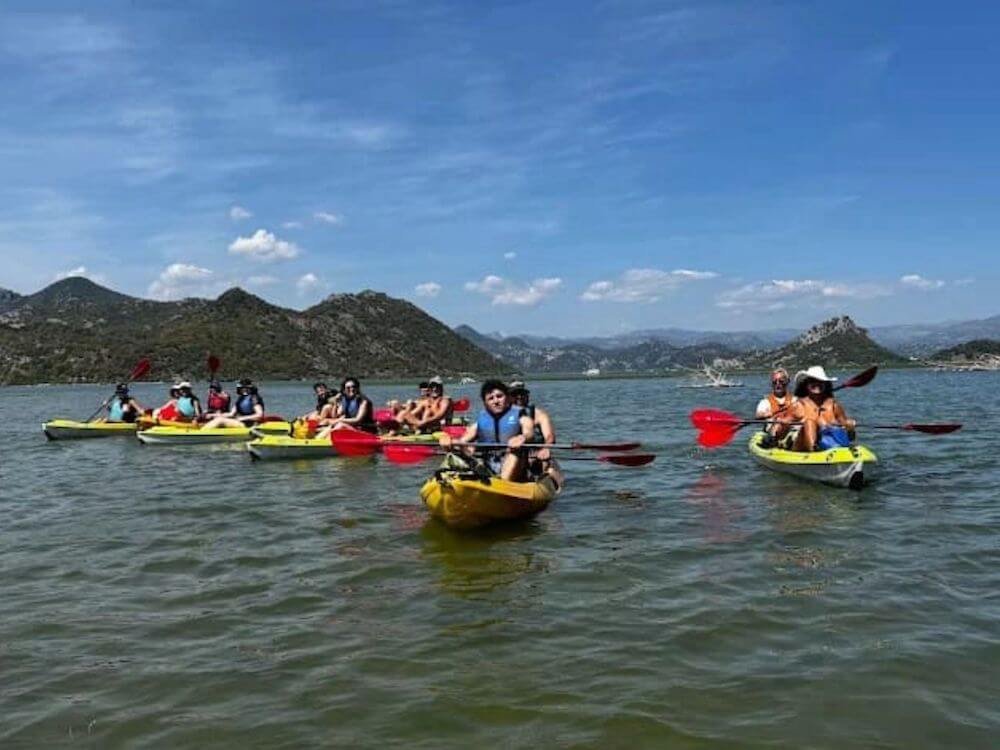
Environmental conservation programs may involve maintaining walking trails, restoring natural habitats, removing litter from protected landscapes, assisting with environmental monitoring or supporting visitor education initiatives in areas such as Lake Skadar National Park. Community programmes often include village improvement projects, seasonal agricultural activities, maintaining public spaces, supporting schools or contributing to other practical tasks that benefit local residents.
Tasks change with the seasons, weather conditions and the needs of the local organisation.
What Does a Typical Day as a Volunteer Look Like?
Although every programme is different, most volunteer days follow a similar routine. Mornings usually begin with breakfast before travelling to the day's project, where volunteers work alongside local coordinators and other participants on practical activities.
Most projects run during standard daytime hours, with a lunch break before work resumes in the afternoon.
Late afternoons and evenings are normally free to relax, socialise or explore the local area. Weekends often provide additional opportunities to visit Montenegro's national parks, historic towns or Adriatic coastline.
The schedule gives volunteers time to explore Montenegro while still making a meaningful contribution to their project.
How Does Volunteer Work Change Throughout the Year?
Volunteer activities vary throughout the year as local communities and conservation projects require different types of support.
During different times of the year, volunteers may help with habitat restoration, trail maintenance, community improvement projects or seasonal agricultural activities such as supporting local vineyard work. Environmental priorities can also shift depending on weather conditions, visitor numbers and conservation requirements.
This seasonal approach helps ensure volunteers contribute where support is genuinely needed rather than following a fixed schedule that remains unchanged throughout the year. As a result, no two volunteer placements are exactly the same, even for participants joining the same programme.
What Skills or Experience Do You Need?
Most volunteer programs in Montenegro do not require previous volunteering experience or specialist qualifications. They are designed to be accessible to people who are motivated to contribute, learn and work as part of a team.
The qualities that matter most are reliability, flexibility and a willingness to participate in practical, hands-on activities. Many projects involve outdoor work, so a reasonable level of physical fitness and an ability to adapt to changing conditions can be helpful. Basic English communication skills are often sufficient, as volunteers commonly come from a variety of countries.
Local coordinators provide guidance throughout the placement, making these programmes suitable for first-time volunteers as well as those with previous international experience. An open mind and respect for local customs are often more valuable than technical skills.