
Volunteer in Zanzibar with Abroad Escape
Choose from volunteer programs in Stone Town and Makunduchi, including teaching, childcare, sports coaching, environmental conservation, construction and renovation, and sea turtle conservation.
Whether you want to work with children, get involved in practical conservation or experience life in a coastal Zanzibar community, the right program depends on what you actually want to do while you're there.
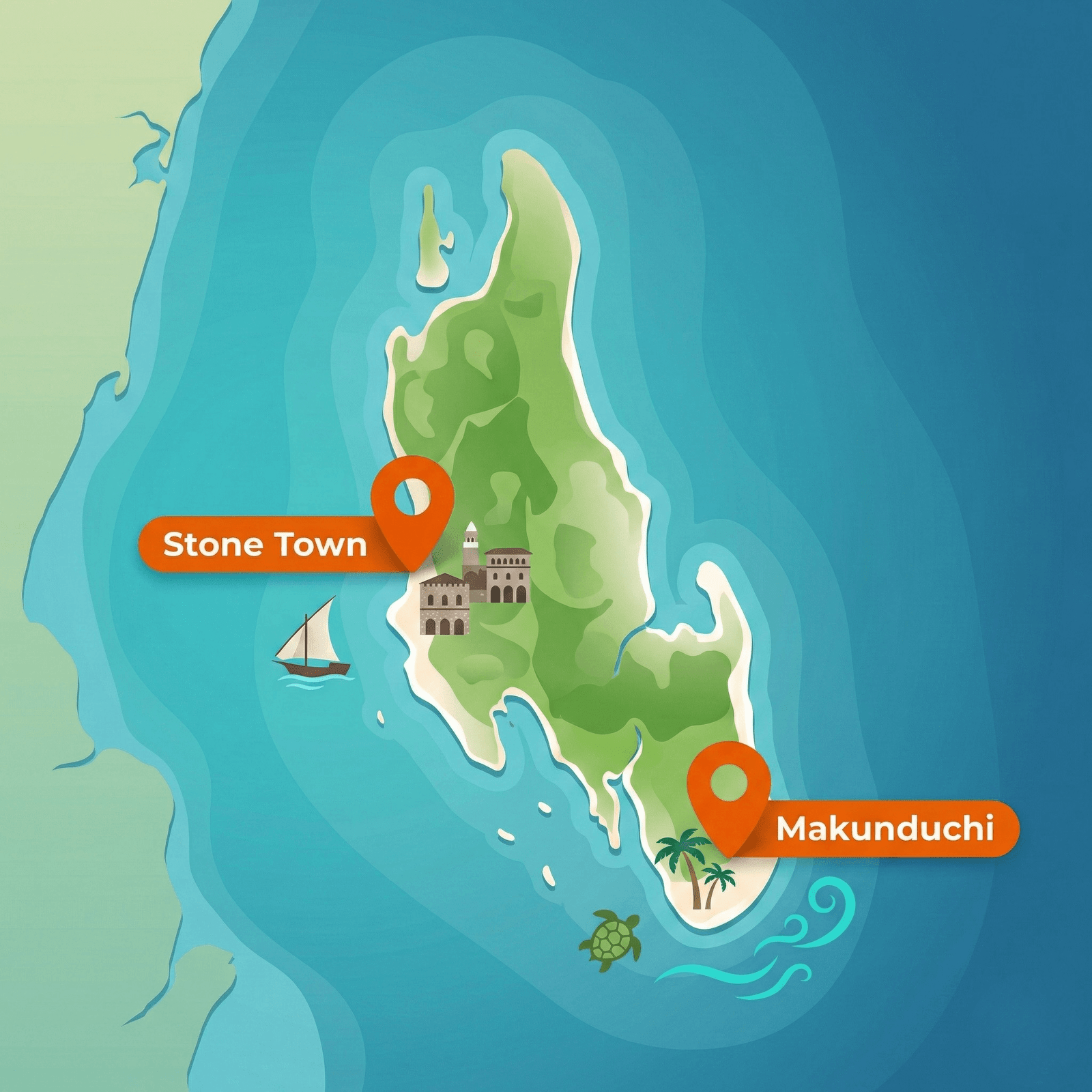
If you're thinking about volunteering in Zanzibar, I'd start by deciding what you want your time there to look like.
There are quite different programs available. You can work in a school, help with childcare, coach sports, get involved in environmental work, work on construction and renovation projects, or take part in sea turtle conservation in Makunduchi.
The location matters too.
The Stone Town programs give you a very different setting from the turtle conservation program in Makunduchi. Stone Town is a historic urban environment, while Makunduchi is a coastal village in the southeast of the island.
I wouldn't choose a program simply because the project sounds interesting on paper. I'd look at the actual work, where you'll be staying, how much time you'll spend at the project and whether that type of experience suits you.
I've been involved in volunteer travel since 2006, and that's one of the things I've learned over the years. The description on a website is only part of the decision.
You also need to think about what you'll actually be doing each day and whether you're comfortable with the environment you're going into.
That's what I'd look at when helping you choose a Zanzibar program.

Our Volunteer Programs in Zanzibar
The Zanzibar programs are split between two locations.
Stone Town is the main location for teaching, childcare, sports coaching, environmental conservation and construction and renovation. Makunduchi, on the southeast coast of Zanzibar, is where the turtle conservation program is based.
That distinction matters when choosing a program. The projects are not all based in the same part of the island, and the type of experience is quite different between them.
Zanzibar Culture Week
A one-week introduction to Zanzibar before a longer volunteer placement
Zanzibar Culture Week is different from the other programs because it is not a traditional volunteer placement. It is a one-week cultural introduction designed to help you get familiar with Zanzibar before starting a longer program.
It takes place in Stone Town and combines cultural activities, local experiences and an introduction to everyday life in Zanzibar.
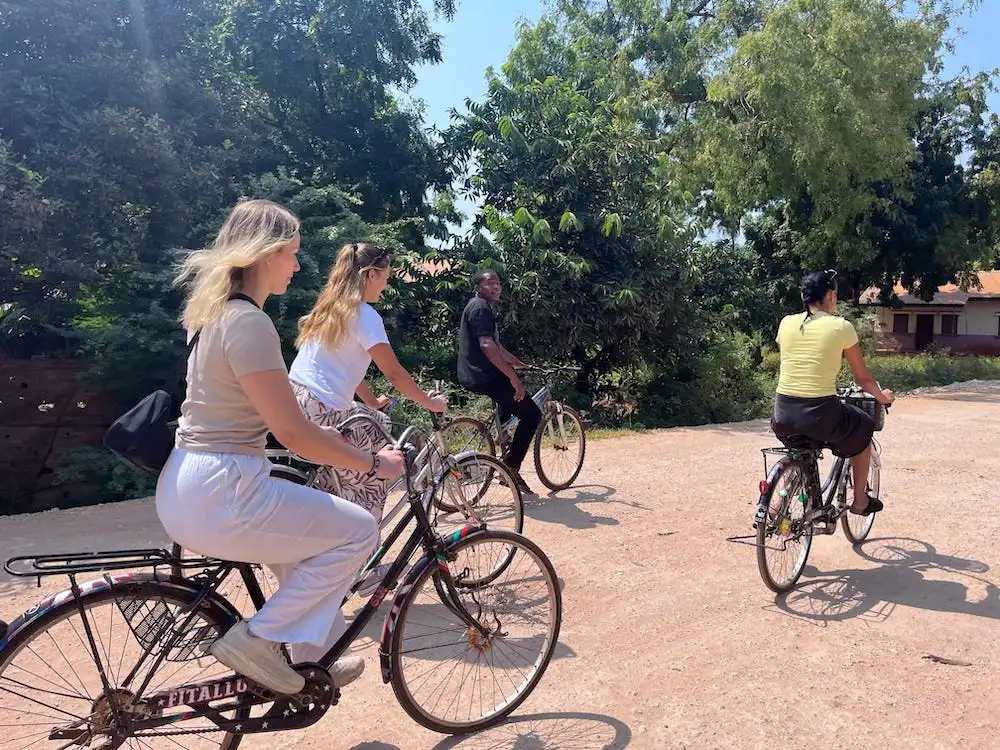
The week includes visits around Stone Town, a spice farm and cooking class, a trip to Prison Island, snorkeling, a Swahili language lesson and activities in Makunduchi.
It is also designed to give you a better understanding of local customs, history and culture before you begin a longer stay.
What you’ll do
During the week, activities include:
- Explore Stone Town
- Visit a spice farm
- Take part in a cooking class
- Visit Prison Island and see the giant Aldabra tortoises
- Snorkel around Bawe Island
- Take a Swahili language lesson
- Cycle through Makunduchi village
- Learn about the khanga
- Have lunch in a village
- Learn about traditional coconut rope and roof making
- Visit a traditional healer
- Spend a full day at the beach
- Visit the Forodhani night market at sunset
The schedule is spread across Monday to Friday and is intended to give you an introduction to different aspects of Zanzibar rather than focusing on one particular activity.
Who is it suited to?
I'd consider this if you want to spend some time getting to know Zanzibar before starting a longer volunteer program.
It can also make sense if you're interested in the cultural side of the trip and don't want to arrive and immediately start your project without first having some time to understand the place you're staying in.
The important thing to understand is that this is not a substitute for one of the volunteer programs. It is a cultural introduction.
A typical week
The published schedule includes a different activity each day.
Monday
- Stone Town exploration
- Introduction to the city and its history
Tuesday
- Spice farm visit
- Cooking class
- Prison Island
- Snorkeling around Bawe Island
Wednesday
- Swahili language lesson
- Makunduchi village cycling tour
- Khanga demonstration
- Village lunch
- Coconut rope and roof-making activity
- Traditional healer visit
Thursday
- Full-day beach trip
Friday
- Further cultural activities
- Sunset visit to Forodhani night market
The schedule can change because of weather, local conditions or other unforeseen circumstances.
Good to know
The purpose of the week is to introduce you to local language, customs, history, culture, sights and activities.
The program information also describes it as a full induction for people who are continuing into a longer volunteer placement.
Zanzibar Teaching Program
Help in local schools and community education
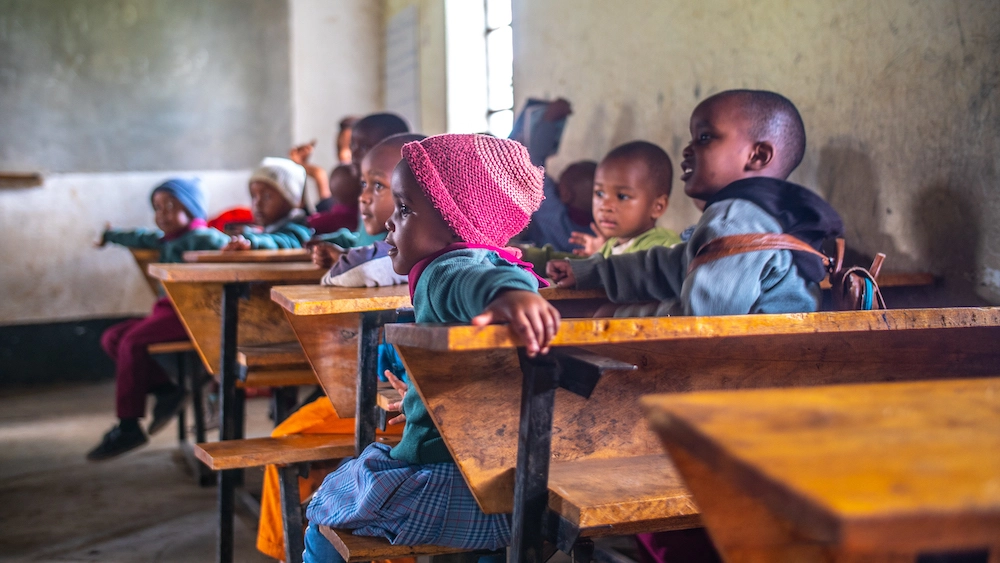
The teaching program gives volunteers the opportunity to assist local teachers in primary and secondary schools, mainly outside Stone Town. The main subjects are English, Mathematics and Science, with students generally aged between 5 and 14.
You are not taking over the role of the teacher. The idea is to support the existing school staff while getting involved in activities that give students additional opportunities to practise and learn.
There is also evening teaching at a community centre on Monday, Tuesday and Thursday, with students ranging from approximately 4 to 20 years old.
What you’ll do
Your activities can include:
- Assisting local teachers in English, Mathematics and Science
- Helping with lesson plans and classroom activities
- Supporting students during lessons
- Organising games and creative activities
- Arts and crafts
- Sports activities
- Helping students practise English
- Supporting teachers with classroom activities
- Taking part in evening teaching sessions at the community centre
- Using objects or materials from your home country as part of educational activities and cultural exchange
The exact work will depend on the school, the teachers and what is needed while you are there.
Who is it suited to?
I'd look at this program if you enjoy working with children and are comfortable adapting to a school environment.
You don't need to assume that volunteering as a teaching assistant means standing in front of a classroom all day. A significant part of the role is supporting the local teachers and helping with practical classroom activities.
If you want a program where you are mainly working outdoors or doing physical work, I'd look at one of the other Zanzibar options instead.
Working with local teachers
The program is designed around working alongside local teaching staff rather than replacing them.
That is important. Your role is to provide additional support, activities and assistance while learning how the local school environment works.
The source information also describes cultural exchange as part of the program, so there is room to bring aspects of your own background into lessons where appropriate.
A typical week
The published schedule includes school and community-centre activities during the week.
A typical structure includes:
Monday
- Morning teaching activities
- Lunch
- Afternoon teaching
- Evening community-centre teaching
Tuesday
- School activities
- Afternoon teaching
- Evening community-centre teaching
Wednesday
- School activities
- Afternoon beach activity
Thursday
- Teaching activities
- Cultural activities
- Evening community-centre teaching
Friday
- Teaching activities
- Further classroom support and activities
The schedule can change because of local circumstances and the needs of the school.
Good to know
Students are generally between 5 and 14 in the schools, while the evening community-centre sessions include a much wider age range.
The main school subjects are English, Mathematics and Science. You may also be involved in games, sport, arts and crafts and other creative activities.
Zanzibar Sports Coaching Program
Coach young people in local schools and community centres
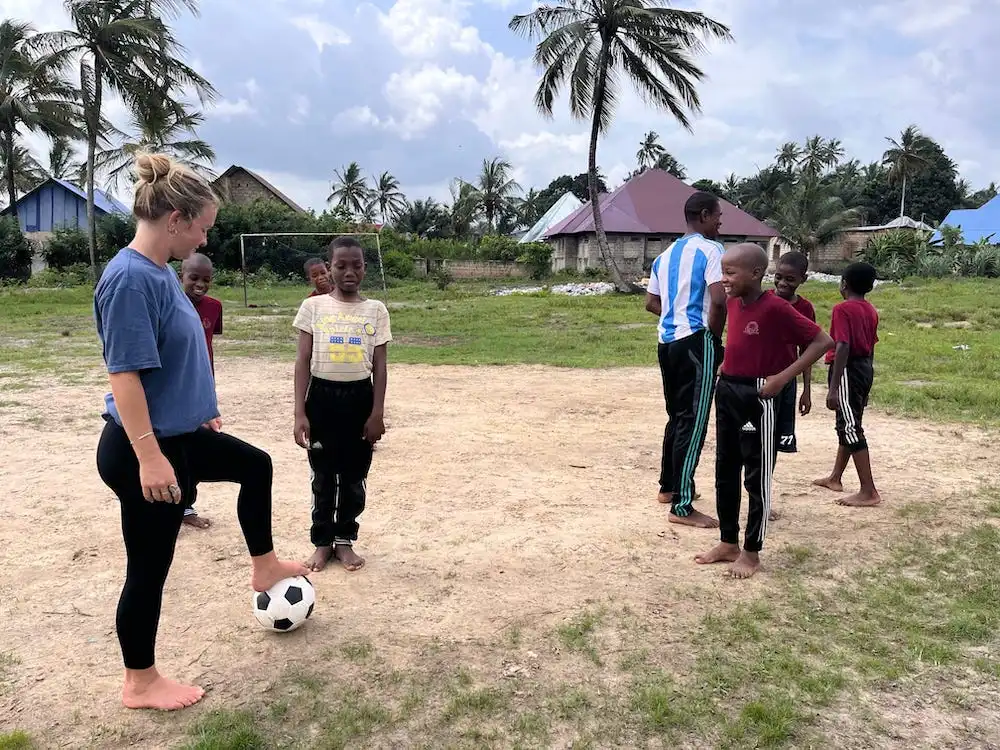
The sports coaching program is based in Stone Town and involves working with young people through sports.
The available sports listed by the local program information include football, basketball, cricket, rugby, baseball and athletics.
The emphasis is not only on teaching sporting ability. Sessions also focus on discipline, teamwork, perseverance and sportsmanship.
What you’ll do
Depending on the activities taking place while you are there, you may:
- Teach sporting skills and techniques
- Explain rules and tactics
- Organise training sessions
- Organise matches
- Give constructive feedback
- Help participants understand where they can improve
- Identify individual strengths and weaknesses
- Encourage teamwork and sportsmanship
- Discuss healthy lifestyle choices
- Work with young people in schools and community centres
The particular sport or sports you work with will depend on the program activities and your own interests and ability.
Who is it suited to?
This is the more obvious choice if sport is a major part of why you want to volunteer.
You don't necessarily need to be a professional coach. What matters is that you have enough understanding of your chosen sport to contribute usefully and are comfortable working with young people.
If you are not particularly interested in sport, I wouldn't choose this simply because it is available. There are other Zanzibar programs that may fit you better.
A typical week
The published schedule is concentrated around Monday and Friday coaching sessions.
Monday and Friday
- Morning coaching: 6:00–9:00 AM
- Lunch and free time
- Afternoon coaching: 3:00–5:00 PM
The schedule can change according to local circumstances.
Good to know
The program includes a fairly broad selection of sports, from football and basketball to cricket, rugby, baseball and athletics.
The focus is on coaching as well as the wider benefits of sport, including teamwork, discipline and perseverance.
Zanzibar Environmental Conservation Program
Practical environmental work in and around the community
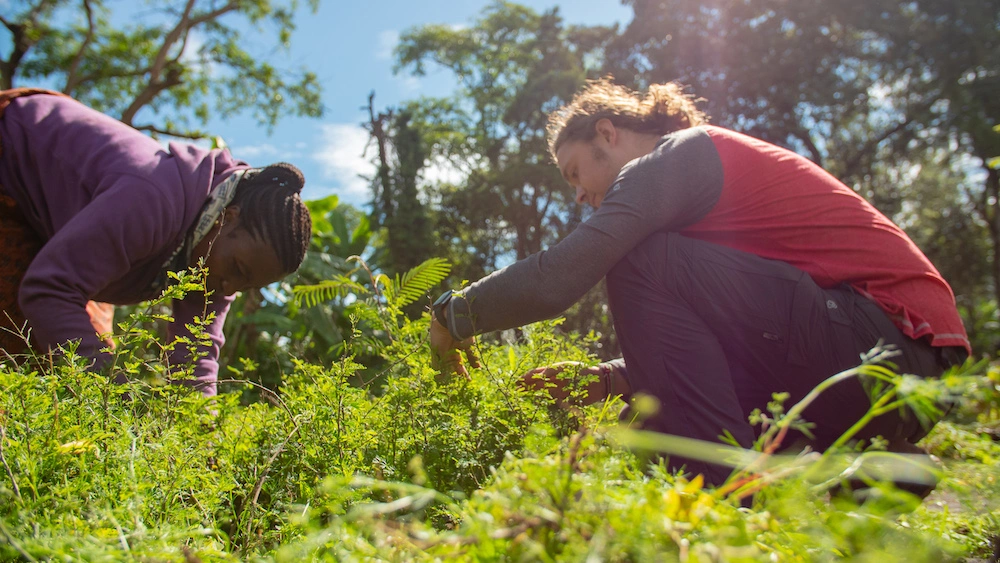
This program is based in Stone Town and combines practical environmental work with awareness activities.
The work can take place around roads, schools and community centres, as well as in areas connected with planting and gardening. The program also includes marine and coastal conservation activities.
This is a practical option rather than a wildlife-focused program. If you want to work specifically with sea turtles, the separate turtle conservation program in Makunduchi is the more relevant choice.
What you’ll do
Activities can include:
- Community clean-up campaigns
- Cleaning roads and community areas
- Clean-ups around schools and community centres
- Planting trees and seeds
- Working in plant nurseries
- School gardening
- Watering plants
- Environmental awareness activities
- Preparing environmental lessons
- Teaching children about environmental issues
- Marine and coastal conservation activities
- Supporting community environmental initiatives
- Working alongside local people
Who is it suited to?
I'd consider this program if you prefer practical work and don't mind that the activities can vary from gardening and clean-up work to environmental education.
It is also a reasonable option if you want some contact with local schools and communities but don't specifically want a teaching placement.
A typical week
The published schedule is structured around different types of environmental work during the week.
Monday
- General clean-up activities
- Environmental work
Tuesday
- Clean-up and nursery activities
Wednesday
- Nursery and gardening work
Thursday
- Preparing environmental lessons and activities
Friday
- Environmental awareness campaign
The actual activities can change according to local needs.
Good to know
This program covers both land-based community work and marine/coastal conservation.
If your main interest is sea turtles and hands-on marine conservation, don't assume this is the same program. The dedicated turtle conservation placement is located in Makunduchi and has a much more specific focus.
Zanzibar Construction and Renovation Program
Practical work improving local school facilities
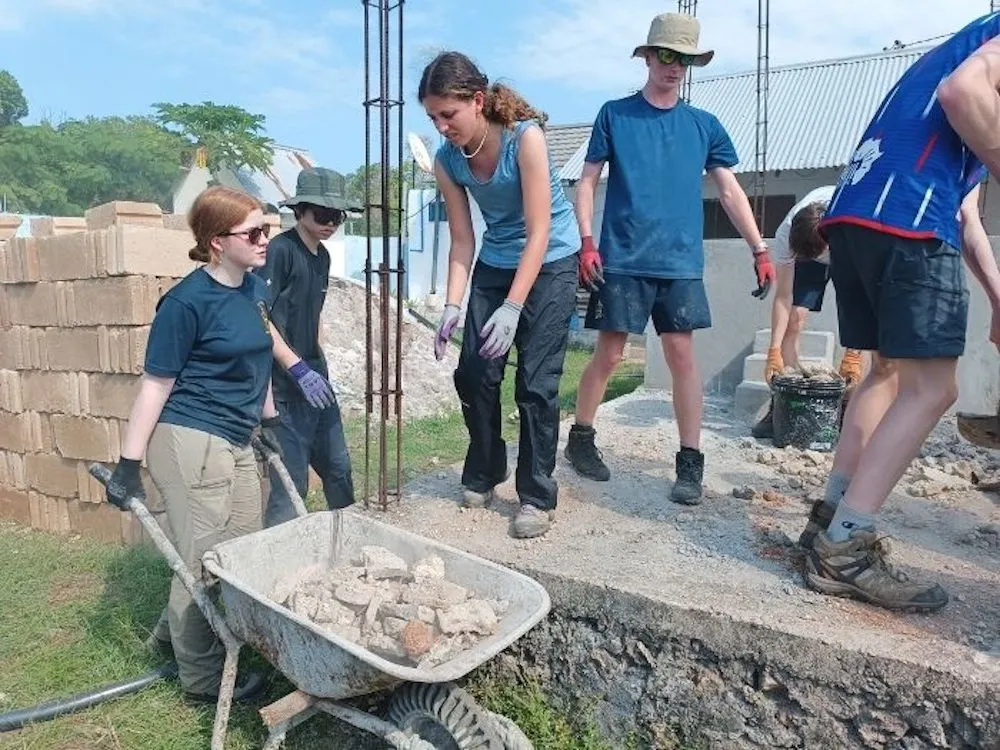
The construction and renovation program focuses on local village schools.
The aim is straightforward: help improve the physical learning environment through renovation, repair and practical construction work.
You'll work under the guidance of a local coordinator and foreman rather than being expected to manage construction work independently.
What you’ll do
Depending on the work taking place, tasks can include:
- Bricklaying
- Carpentry
- Painting
- Landscaping
- Tile laying
- Repairing furniture
- Repairing equipment
- Improving school spaces
- Artistic work and decoration
The exact tasks depend on what needs to be done at the school at the time.
Who is it suited to?
This is the program I'd look at if you prefer working with your hands and would rather spend your volunteer time doing practical work than teaching.
You don't need to assume every day will involve the same task. Construction and renovation work can change as different parts of a project are completed.
If you have useful practical skills, they may be relevant, but the source material does not state that professional construction experience is required, so I wouldn't add that as a requirement.
A typical week
The program runs approximately 4–5 hours per day, Monday to Friday, with a break during the working day.
The work can include different construction, repair and renovation tasks depending on what the local school needs.
Working with the local team
The work is guided by a local coordinator and foreman.
That gives the program a defined structure and means volunteers are working under local direction rather than simply deciding themselves what construction work should be carried out.
Good to know
The program is focused on schools rather than general construction work.
Tasks listed in the program information range from bricklaying and carpentry to painting, landscaping, tiling and furniture repair.
Zanzibar Childcare Program
Support young children in local schools and childcare centres
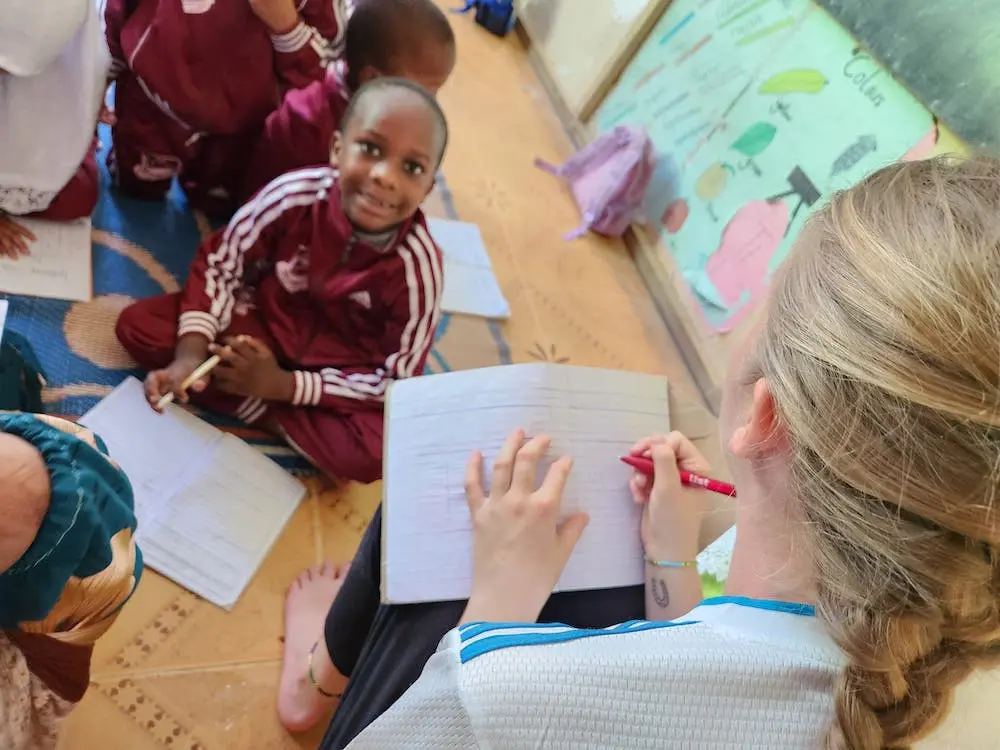
The childcare program is based in Stone Town and involves working with young children in kindergartens, childcare centres and primary schools.
The main age group is around 3–6 years old, with activities focused on basic English, numbers, colours and classroom support.
There are also evening teaching sessions at a community centre.
What you’ll do
Your role can include:
- Supporting teachers and local staff
- Helping with classroom management
- Teaching basic English
- Helping children learn numbers and colours
- Drawing
- Singing
- Storytelling
- Poems
- Games
- Preparing simple lesson activities
- Supporting creative activities
- Helping teachers with classroom preparation
- Taking part in community-centre teaching sessions
Classes are generally described as having around 10–30 children.
Who is it suited to?
I'd choose this if you genuinely enjoy spending time with young children.
The work is practical and classroom-based, so you need to be comfortable participating in activities rather than expecting to simply observe.
If you would rather work with older students, the teaching program gives you a wider age range and more emphasis on school subjects such as English, Mathematics and Science.
Working with local staff
The program is designed around supporting existing teachers and staff.
Volunteers can help with classroom activities and creative work, but the local staff remain central to the day-to-day running of the classroom.
The role can therefore change depending on what the teachers need.
A typical week
The program involves approximately 4–5 hours of work per day, Monday to Friday.
A typical day can include:
- Morning classroom activities
- Supporting teachers
- Creative activities with children
- Lunch
- Afternoon childcare and classroom support
- Evening community-centre teaching on scheduled days
The source information states that evening teaching takes place three days per week, while the example schedule specifically lists Monday and Tuesday evenings. I would verify the current schedule before publishing this as a fixed three-evening commitment.
Good to know
The main childcare age group is young children, approximately 3–6 years old.
The program information also refers to grades 1–2 and classes of around 10–30 children.
The work is not limited to teaching English. Drawing, singing, storytelling, poems and games are all part of the activities.
Makunduchi Turtle Conservation Program
Work with sea turtles and protect their coastal habitat
The turtle conservation program is different from the Stone Town projects. It is based in Makunduchi, in southeastern Zanzibar, near the coast and natural turtle nesting areas.
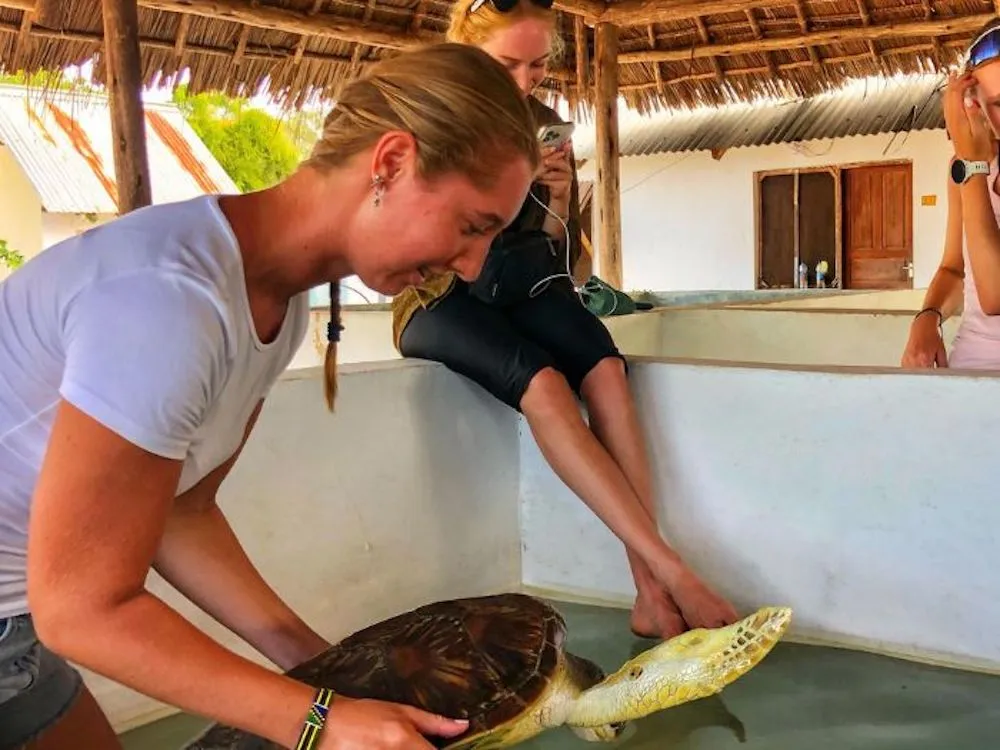
The program is community-driven and combines turtle rehabilitation, nesting protection and environmental work.
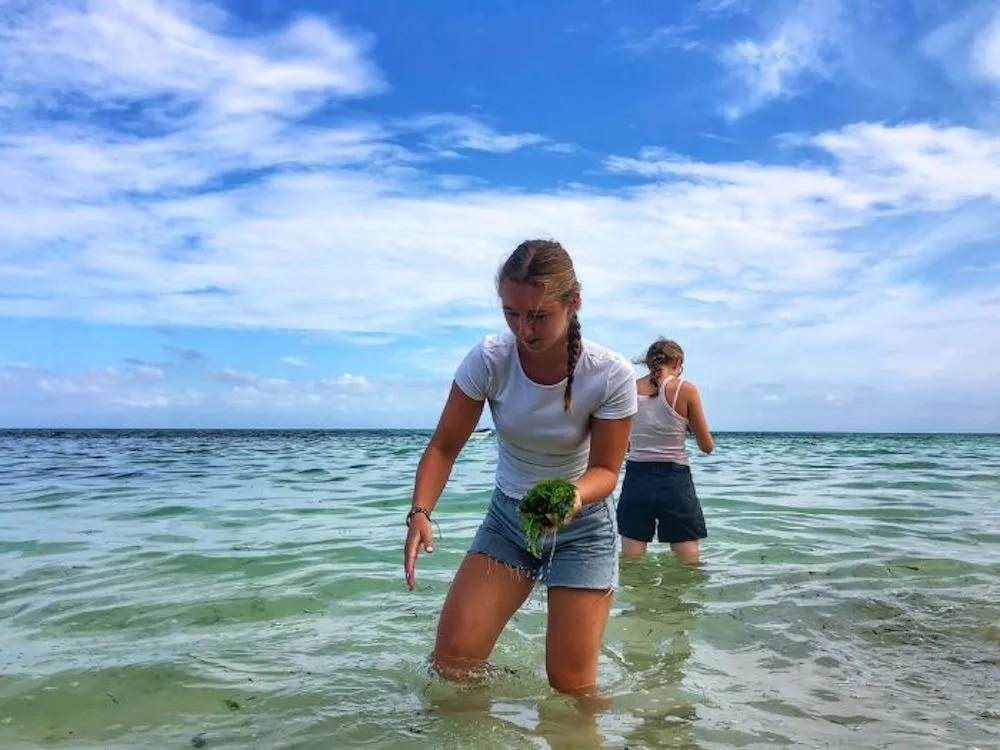
There is a practical side to the placement. Depending on the season and current needs, volunteers may be involved in caring for turtles, cleaning and maintaining habitats, monitoring nests and hatchlings, collecting seaweed for feeding, beach clean-ups and waste sorting.
What you’ll do
Activities can include:
- Caring for injured or vulnerable sea turtles
- Feeding turtles with locally collected seaweed
- Cleaning turtle enclosures
- Maintaining turtle habitats
- Monitoring hatchlings
- Monitoring nesting activity
- Monitoring eggs and nests during the relevant season
- Checking water quality
- Helping with juvenile turtle enclosures
- Beach clean-ups
- Sorting waste
- Recycling activities
- Mangrove conservation activities
- Basic data collection
- Environmental awareness activities
- Visits involving local students
- Working alongside the local conservation team
Some activities are seasonal. Nesting, egg and hatchling monitoring, for example, depends on the time of year.
Mangrove conservation is listed as taking place twice per month.
The three areas of the program
The program is built around three main areas:
Rescue
Helping care for injured or vulnerable turtles.
Rehabilitation
Feeding, cleaning and maintaining the conditions required for turtles in care.
Nesting protection
Monitoring nesting activity, eggs and hatchlings and helping protect the natural nesting environment.
Who is it suited to?
I'd look at this if you have a genuine interest in marine conservation and are comfortable doing practical environmental work as well as working with animals.
It isn't simply a program where you spend your days handling turtles. There is cleaning, seaweed collection, beach work, recycling, monitoring and environmental education as well.
The work also changes with the season, weather, tides and local conservation needs.
A typical week
The published program runs on a weekly cycle.
Sunday
- Arrival in Makunduchi
Monday
- Orientation
- Introduction to the conservation work
Tuesday–Friday
- Turtle conservation activities
- Habitat and environmental work
- Community engagement
- Monitoring and other project activities
Saturday
- Departure or continuation of the program
A typical project day is structured roughly as follows:
8:00 AM — Breakfast
9:00 AM — Walk of approximately 500 metres to the turtle site
9:30 AM — Turtle care and conservation routines
12:30 PM — Lunch
1:30 PM — Cleaning and maintenance
3:00 PM — Sorting and recycling
4:00 PM — Rest or beach time
6:00 PM — Dinner
7:00 PM — Free time
This is an example schedule rather than a guarantee of exactly how every day will run.
Good to know
This is the Zanzibar program to look at if turtles and marine conservation are your main interests.
The work is not entirely about turtles. Beach clean-ups, waste management, habitat work, water quality, mangroves and environmental awareness are also part of the program.
Weather, tides, community needs and other circumstances can affect the daily activities.
Most importantly, the conservation work is seasonal in some areas. Nesting, egg and hatchling monitoring will depend on what is happening naturally at the time of your visit.
A Note From Kurt
I know choosing a program can feel like a lot of options.
Tell us when you want to travel, what you'd like to do and anything you're unsure about. I'll look at your plans and help you work out which Kenya program makes the most sense for you.
I will personally review your message.
— Kurt, Founder, Abroad Escape
How long can you volunteer?
You can volunteer in Zanzibar for 1 to 8 weeks, with programs starting every Monday.
The Turtle Conservation Program has a minimum duration of 2 weeks.
This gives you some flexibility depending on how much time you have available and which program you choose.
Arrival and orientation
Volunteers arrive through Abeid Amani Karume International Airport (ZNZ) in Zanzibar.
Airport pickup is arranged on Saturday or Sunday between 06:00 and 21:00.
Your orientation takes place when you arrive and introduces you to the practical information you need before starting your program. The exact orientation arrangements can vary depending on the program and local circumstances.
For the Turtle Conservation Program in Makunduchi, the published schedule includes a specific orientation on Monday before the project activities begin.
Accommodation
Accommodation is provided by the local program partner.
The available source information confirms that accommodation is provided, but does not give enough current detail about the room arrangements or facilities to describe them accurately here.
Meals
Meals are provided as part of the program.
The exact meal arrangements can vary depending on the location and program, so I would confirm the current details for your specific placement before booking.
How much do the programs cost?
One clear total price. No extra fees.
Volunteer Programs
| Duration | EUR | GBP | USD |
|---|---|---|---|
| 1 week | €685 | £590 | $795 |
| 2 weeks | €895 | £770 | $1,045 |
| 3 weeks | €1,175 | £1,010 | $1,370 |
| 4 weeks | €1,455 | £1,250 | $1,695 |
Project supplements
Some projects have an additional weekly fee:
Culture/Teaching/Childcare/Construction: +€115 / £105 / $145 per week
Turtle Conservation: +€255 / £240 / $295 per week
What's included?
- Volunteer placement
- Accommodation
- Meals as described
- Airport pickup
- Orientation
- Local support
- Pre-departure guidance
What's not included?
- Flights
- Travel insurance
- Visa fees
- Personal spending
- Criminal background check
Secure your place with a €200 / £175 / $250 deposit
You don't need to pay the full amount immediately. You can reserve your placement with a €200 / £175 / $250 deposit.
Your deposit is deducted from your total program price. It is not an extra fee.
The remaining balance is due 45 days before your program start date.
Requirements to join
- Minimum age: 18
- Travel insurance: Mandatory
- Background check: Criminal background check or two reference letters
Frequently Asked Questions About Volunteering in Zanzibar
How long can I volunteer in Zanzibar?
Most Zanzibar volunteer programs are available for 1 to 8 weeks, with new programs starting every Monday.
The Turtle Conservation Program requires a minimum stay of 2 weeks.
Where do the Zanzibar volunteer programs take place?
The programs are split between two locations.
Teaching, childcare, sports coaching, environmental conservation and construction and renovation are based in or around Stone Town.
The Turtle Conservation Program is based in Makunduchi, in southeastern Zanzibar.
How do I get to the volunteer program?
You fly into Abeid Amani Karume International Airport (ZNZ).
Airport pickup is arranged on Saturday or Sunday between 06:00 and 21:00.
The local program partner then provides the relevant arrival and orientation arrangements.
Can I choose between different types of volunteer work?
Yes. The Zanzibar programs cover several different types of work, including:
- Teaching
- Childcare
- Sports coaching
- Environmental conservation
- Construction and renovation
- Turtle conservation
I'd recommend choosing based on the work you actually want to do rather than simply choosing Zanzibar as a destination.
Are the programs based in Stone Town?
Most of them are.
The teaching, childcare, sports coaching, environmental conservation and construction and renovation programs are based in or around Stone Town.
The turtle conservation program is based in Makunduchi.
What is the Turtle Conservation Program like?
It combines sea turtle care with wider conservation work.
Depending on the season and local needs, activities can include feeding and cleaning turtles, habitat maintenance, monitoring nests and hatchlings, beach clean-ups, waste sorting and recycling, water-quality work, mangrove conservation and environmental awareness activities.
Some activities are seasonal, particularly nesting, egg and hatchling monitoring.
Do I need previous teaching or coaching experience?
The source information does not specify a general experience requirement for the teaching or sports coaching programs.
The important thing is to choose a program that matches your interests and abilities and to be prepared to work alongside the local staff.
If you are unsure whether your experience is suitable, ask us before booking.
Is accommodation included?
Accommodation is provided by the local program partner.
The exact accommodation arrangements can depend on the program and location, so these should be confirmed for your specific placement.
Are meals included?
Meals are provided as part of the program.
The exact meal arrangements can vary depending on the program and location.
Can the daily schedule change?
Yes.
The published schedules are examples rather than fixed timetables. Activities can change because of weather, tides, local circumstances, community needs and other unforeseen circumstances.
This is particularly relevant to the Turtle Conservation Program, where some activities are seasonal.
Which Zanzibar program should I choose?
It depends on what you want to spend your time doing.
If you want to work in schools, look at Teaching. For younger children, consider Childcare. If sport is your main interest, look at Sports Coaching.
For practical environmental work, Environmental Conservation is the better fit. If you prefer construction and hands-on work, consider Construction and Renovation.
If your main interest is marine conservation and sea turtles, the Turtle Conservation Program in Makunduchi is the obvious starting point.
If you're still unsure, we can help you work through the options before you make a decision.
Get Personal Advice
Tell us about your plans, what kind of work interests you and how long you want to volunteer.