
Volunteer in the Philippines with Abroad Escape
Volunteer in the Philippines with supported programs in Palawan and El Nido, including teaching, childcare, construction, environmental conservation, cultural activities and medical outreach. Programs run from 1 to 8 weeks, with the option to combine projects where schedules and availability allow.
The Philippines is particularly suited to volunteers who want a community-based experience in a rural or island setting rather than a conventional city-based placement. You can work with children, support local schools and communities, get involved in environmental projects, or explore healthcare outreach if your background is appropriate.
The Philippines can be a very different experience depending on where you go.
When you start looking at volunteering here, you'll find different locations, different types of projects and very different ways to spend your time. You might be interested in teaching or childcare, want something more practical like construction, or prefer environmental or community work.
There isn't one Philippines program that's right for everyone. The best choice depends on the type of work you want to do, your experience, the time you have and whether Palawan or El Nido is a better fit.
I will personally review your message.
Volunteer Programs in the Philippines
Our volunteer programs are available in two locations: Palawan and El Nido. Each location offers different projects, so you can choose the setting and type of volunteering that best fits your plans.
Palawan
A more rural setting where you can get involved with local schools, community projects, environmental work and medical outreach.
- Culture Week
- Kindergarten
- Teaching
- Construction & Renovation
- Environmental Conservation
- Medical Outreach
El Nido
A coastal location where you can combine volunteer work with community-based projects around Nacpan Village.
- Culture Week
- Kindergarten
- English Teaching
- Construction & Renovation
Not sure which location or project makes sense for you? You don't have to decide everything on your own. Tell us about your plans and we'll help you work through the options.
Philippines Volunteer Projects
El Nido
Culture Week in El Nido
Culture Week gives you a practical introduction to the Philippines before you begin a volunteer project. It combines orientation with activities that help you get used to the local area, meet the team and understand more about Filipino culture.
During the week, you can learn basic local language, take part in cooking activities, visit local markets and explore the area. There are also cultural activities such as handicrafts and island hopping. The aim is to give you some context before you start working with a school or community project.
What you may do:
-
Learn basic local language
-
Take part in Filipino cooking activities
-
Visit local markets
-
Join handicraft activities
-
Explore the local area
-
Go island hopping
-
Learn about local culture and customs
-
Meet the local coordinators
-
Prepare for your following project
Schedule
Monday — Welcome & Orientation
Meet the local team, go through house rules, expectations and safety information, and learn about Filipino culture and basic language. You'll also explore the local area and meet the coordinators to discuss the week.
Tuesday — Cooking & Language
Take part in a local cooking activity and continue learning basic language and everyday expressions.
Wednesday — Island Hopping
Spend the day exploring the surrounding islands and getting to know the area beyond the volunteer accommodation.
Thursday — Handicrafts & Cultural Activities
Take part in handicraft activities and other cultural experiences, with time to socialise with other volunteers.
Friday — Project Preparation
Finish Culture Week and prepare for your next volunteer project, including understanding what to expect from your placement.
Kindergarten in El Nido
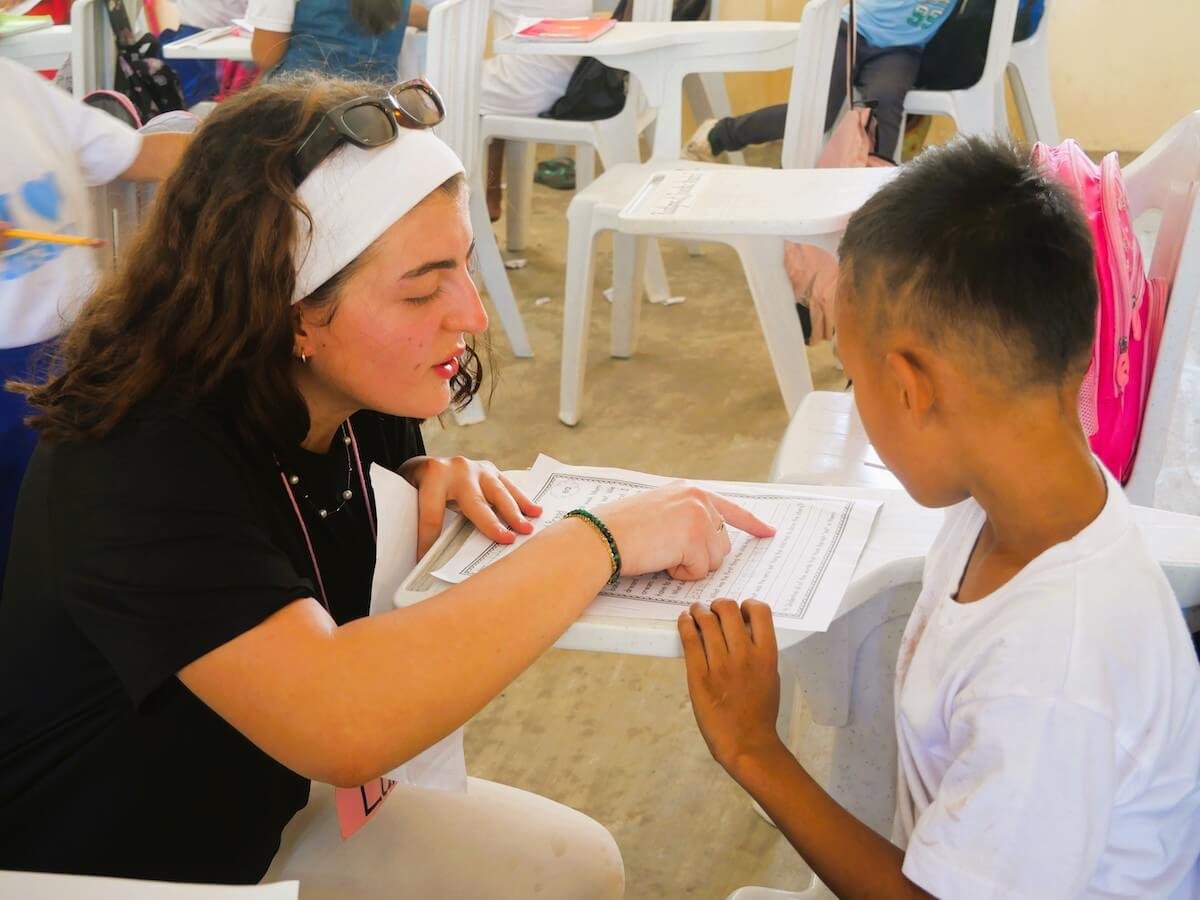
The Kindergarten project involves working with young children, generally around 3 to 5 years old. Your role is to support the classroom through simple learning activities rather than taking over from local teachers.
You may help children practise basic English through songs, games and conversation, while also supporting storytelling, early writing and everyday classroom routines. The activities are appropriate for the children's age and are intended to make learning more engaging.
For volunteers, this is different from teaching older students. Much of the work involves being patient, getting involved in activities and helping create a positive classroom environment.
What you may help with:
-
Basic English activities
-
Songs and games
-
Storytelling
-
Early writing activities
-
Simple classroom exercises
-
Supporting classroom routines
-
Playing and interacting with the children
-
Providing additional attention and support to local staff
Typical schedule
Monday — Welcome & Orientation
Meet the local team, learn about the project and receive information about local expectations, safety and classroom routines.
Tuesday to Friday — Kindergarten Activities
Support the children and local staff through classroom activities, games, songs, basic English, storytelling and other age-appropriate activities.
The exact activities can vary according to the needs of the kindergarten and the local schedule.
English Teaching in El Nido
The English Teaching project works with children approximately 6 to 12 years old. The emphasis is on helping students use English in a practical and engaging way rather than simply repeating textbook exercises.
You may use conversations, games, songs, creative activities and simple classroom exercises to encourage students to participate and practise their English. You'll be supporting the existing school environment and working around the needs of local teachers and students.
You don't need to arrive with a completely prepared teaching system. Being reliable, comfortable around children and willing to adapt your approach is more important.
What you may help with:
-
Conversational English
-
Games and interactive activities
-
Songs
-
Reading practice
-
Simple dialogues
-
Creative classroom activities
-
Supporting local teachers
-
Helping students become more confident using English
-
General classroom support
Typical schedule
Monday — Welcome & Orientation
Meet the team, learn about local customs and expectations, receive basic language guidance and prepare for the school placement.
Tuesday to Friday — English Teaching
Support or lead classroom activities focused on English communication. Depending on the class, this can include games, songs, conversations, reading and creative activities.
The exact timetable depends on the school and local arrangements.
Construction & Renovation in El Nido
The Construction and Renovation project is for volunteers who would rather spend their time doing practical work than working in a classroom.
The work focuses on improving local facilities and can include light construction, painting, cleaning, repairs and renovation. Depending on what is needed, projects may involve schools, community facilities, health centres or homes.
You'll work alongside local coordinators and other volunteers rather than independently. You don't need to be a professional builder, but you should be prepared for physical work and comfortable following local instructions.
What you may help with:
-
Light building work
-
Painting
-
Cleaning
-
Basic repairs
-
Preparing materials
-
Renovating community facilities
-
Improving schools
-
Helping with health centres
-
Supporting work on homes
Schedule
Monday — Welcome & Orientation
Meet the local team and receive information about safety, expectations and the project. You'll also be introduced to the local area and prepare for the practical work.
Tuesday to Friday — Construction & Renovation
Work on the current local project, which may involve painting, cleaning, preparing materials, repairs or light construction work.
The project normally involves a minimum of four hours of work per day. The exact work depends on what the local community needs at the time.
The schedule can change according to local conditions and unforeseen circumstances.
Palawan
Culture Week in Palawan
Culture Week in Palawan gives you time to settle into the local community before moving into your main volunteer project. It combines practical orientation with activities that introduce you to everyday life in the area.
The week can include basic language, cooking, local markets, visits to farms and waterfalls, handicrafts and pottery. You also have time to explore the local area and learn what to expect from your upcoming placement.
For someone travelling to volunteer for the first time, this gives you time to understand the local environment before beginning project work.
What you may do:
-
Learn basic local language
-
Take part in cooking activities
-
Visit local markets
-
Visit farms
-
Explore waterfalls
-
Try handicrafts
-
Take part in pottery activities
-
Learn about Filipino culture
-
Meet the local team
-
Prepare for your volunteer project
Schedule
Monday — Welcome & Orientation
Meet the team, learn about house rules, safety and local customs, explore the town and discuss your plans for the week.
Tuesday — Cooking & Language
Take part in cooking activities and continue learning basic language and useful local expressions.
Wednesday — Local Exploration
Explore the area and visit local sites such as farms or waterfalls.
Thursday — Handicrafts & Pottery
Take part in traditional craft activities and learn more about local culture through practical experiences.
Friday — Project Preparation
Finish the cultural activities and prepare for your main volunteer placement.
Kindergarten in Palawan
The Kindergarten project works with children generally between 3 and 6 years old. Volunteers provide additional support in the classroom and help with simple activities that encourage early learning.
You may work with basic English, numbers, shapes and letters, alongside songs, games, colouring and other activities suitable for young children. The role is not about replacing local teachers. Instead, you provide extra attention and help keep the children involved in the activities.
What you may help with:
-
Basic English
-
Numbers and counting
-
Shapes and letters
-
Songs
-
Games
-
Colouring and creative activities
-
Simple learning exercises
-
Classroom routines
-
Playing and interacting with children
-
Supporting local staff
Typical schedule
Monday — Welcome & Orientation
Meet the local team, receive project information and learn about local expectations and classroom routines.
Tuesday to Friday — Kindergarten Support
Work with the children through basic educational activities, games, songs and classroom routines. Activities can change according to the needs of the children and the local kindergarten.
Teaching in Palawan
The Teaching project works with children roughly 6 to 12 years old, in elementary and sometimes secondary classes. The main focus is practical English, with basic maths and simple science included where needed.
Rather than relying entirely on formal classroom teaching, you can make lessons more interactive through games, songs, simple projects, conversation, reading and written activities. You'll also work with local teachers on lesson planning, classroom support and assessments.
This gives you the chance to gain practical teaching experience while working within an existing school environment.
What you may help with:
-
Interactive English lessons
-
Conversation practice
-
Reading activities
-
Games and songs
-
Simple dialogues
-
Written exercises
-
Basic maths
-
Simple science
-
Lesson planning
-
Classroom management
-
Student activities
-
Supporting local teachers
-
Helping students build confidence in English
Schedule
Monday — Welcome & Orientation
Meet the team, go through expectations and safety information, learn about Filipino customs and basic language, and take a guided tour of the local area.
Tuesday to Friday — School Activities
Support or lead interactive lessons during the morning and afternoon. Activities can include English, basic maths and science, depending on the needs of the class.
The exact schedule can change according to the school timetable, local conditions and unforeseen circumstances.
Construction & Renovation in Palawan
This project supports improvements to schools, health centres, homes and other community facilities in the local area.
The work is practical and can include light building, painting, cleaning, basic repairs and preparing materials. You'll work alongside local coordinators and other participants, learning simple construction skills while helping improve spaces used by the community.
The exact work isn't fixed in advance because it depends on which facilities need attention during your stay.
What you may help with:
-
Light building work
-
Painting
-
Cleaning
-
Basic repairs
-
Preparing materials
-
Renovating schools
-
Improving health centres
-
Helping with homes
-
Improving community spaces
-
Working alongside local coordinators and volunteers
Schedule
Monday — Welcome & Orientation
Meet the local team and receive information about health, safety, expectations and the project. You'll also learn about Filipino culture and basic language and become familiar with the local area.
Tuesday to Friday — Practical Work
Spend the main project days working on construction and renovation activities. Tasks may include painting, cleaning, preparing materials and assisting with small building jobs.
The project involves a minimum of four hours per day of work under local guidance. The schedule may change because of local conditions or unforeseen circumstances.
Environmental Conservation in Palawan
The Environmental Conservation project combines practical conservation work with community education.
A major part of the project is mangrove restoration. You'll collect and plant seedlings and learn techniques used to restore coastal areas. Other activities include collecting plastic waste, making eco bricks and taking part in clean-ups around beaches and local communities.
There is also an education side to the project. Volunteers can help create simple conservation materials, give talks and work with children or local residents to explain environmental issues.
What you may help with:
-
Mangrove planting
-
Collecting seedlings
-
Coastal restoration
-
Plastic waste collection
-
Making eco bricks
-
Beach clean-ups
-
Community clean-ups
-
Environmental education
-
Creating conservation materials
-
Giving conservation talks
-
Designing conservation signage
-
Installing signs around the community
Schedule
Monday — Welcome & Orientation
Meet the team, go through safety and house rules, learn about Filipino culture and basic language, explore the local area and review the conservation plan for the week.
Tuesday — Mangroves & Waste
Plant mangroves in Tigman Village in the morning. In the afternoon, collect plastic waste and work on turning it into eco bricks.
Wednesday — Mangrove Restoration & Education
Continue mangrove planting in the morning. The afternoon is used for preparing simple environmental education activities and materials.
Thursday — Mangroves & Community Education
Continue mangrove restoration in the morning. In the afternoon, visit a local school or group for an environmental conservation talk.
Friday — Final Restoration & Signage
Complete another mangrove planting session in the morning. In the afternoon, work on conservation signage and install it at relevant locations around the community.
The schedule can change because of weather, local conditions, project priorities or unforeseen circumstances.
Medical Outreach in Palawan
Medical Outreach is based in Aborlan, Palawan, within a rural healthcare setting where local residents rely on the Rural Health Unit and other local health services.
The project has different roles depending on your background. Qualified medical professionals can work alongside local health workers, while pre-med students and participants without medical qualifications focus on health education and community support.
The placement is deliberately small, with approximately 4–5 participants at a time, allowing volunteers to have a defined role within the project.
Medical Professional Track
Qualified medical professionals may support local health workers with activities including pre-natal and post-natal care, immunisation programs, patient visits and basic health consultations.
Depending on your qualifications, supervision and the needs of the placement, you may also assist with minor treatments and procedures, provide guidance concerning medications and help monitor patients within the community.
Pre-Med & Non-Medical Track
Participants without medical qualifications do not carry out clinical work. Their role focuses on community health education and support.
Activities can include teaching children about hand washing, dental hygiene and first aid, helping with community health surveys, administrative work and preparing health outreach workshops.
What you may help with:
-
Support at the Rural Health Unit
-
Observation and support at Aborlan Hospital
-
Pre-natal programs where scheduled
-
Immunisation programs where scheduled
-
Home visits to elderly or housebound residents
-
Health education in schools
-
Hygiene education
-
Hand-washing education
-
Dental health education
-
Basic first-aid education
-
Community health surveys
-
Administrative support
-
Outreach preparation
Important
This is supervised community healthcare support. Volunteers do not perform independent medical work. Your responsibilities depend on your qualifications, training, experience, local supervision, patient needs and applicable regulations. Volunteers are expected to respect confidentiality, hygiene requirements and the role of local healthcare staff.
Schedule
Monday — Welcome & Orientation
Meet the local team, receive information about the project, safety and expectations, and learn about the local healthcare setting and community.
Tuesday to Friday — Healthcare & Community Support
Activities depend on your background, local healthcare schedule and current community needs. Medical professionals may support clinical and outreach activities under supervision, while pre-med and non-medical participants focus on health education, surveys, administration and outreach preparation.
The schedule is not fixed because healthcare activities depend on local appointments, outreach programs, patient needs and the availability of supervising staff.
How much do the programs cost?
One clear total price. No extra registration fee.
| Duration | EUR | GBP | USD |
|---|---|---|---|
| 1 week | €765 | £750 | $1,015 |
| 2 weeks | €1,030 | £1,015 | $1,370 |
| 3 weeks | €1,295 | £1,275 | $1,725 |
| 4 weeks | €1,465 | £1,445 | $1,955 |
| Extra week | +€315 | +£315 | +$425 |
Most programs are covered by the standard price above. Some projects have an additional weekly fee because their local program cost is higher.
Extra project fees:
Culture Week, Aborlan Experience, Construction +€75 / +£70 / +$95 per week
Secure your place with a €200 / £175 / $250 deposit
You don't need to pay the full amount immediately. You can reserve your placement with a €200 / £175 / $250 deposit.
Your deposit is deducted from your total program price. It is not an extra fee.
The remaining balance is due 45 days before your program start date.
What's included?
- Volunteer placement
- Accommodation
- Meals as described
- Airport pickup
- Orientation
- Local support
- Pre-departure guidance
What's not included?
- Flights
- Travel insurance
- Visa fees
- Personal spending
- Criminal background check
Requirements to join
- Minimum age: 18
- Travel insurance: Mandatory
- Background check: Criminal background check or two reference letters
Flexible changes
You can request a free change of date, destination or program up to 30 days before your start date, subject to local partner availability and any price difference.
Frequently Asked Questions
Can I start my volunteer program in the Philippines on any day?
Volunteer programs generally start on Mondays, with arrival normally arranged for the Sunday before your program begins. Some projects, including Culture Week, may have specific start dates. We will confirm your arrival details before you book your flight.
How long can I volunteer in the Philippines?
Programs can be arranged for different lengths of stay, depending on the project and your plans. You can also combine projects if the timing and local availability allow.
Can I choose between El Nido and Palawan?
Yes. The available projects differ by location. El Nido offers Culture Week, Kindergarten, English Teaching and Construction & Renovation. Palawan offers these types of projects as well as Environmental Conservation and Medical Outreach.
Can I combine different volunteer projects?
Yes, where the project schedules and availability allow it. You could, for example, start with Culture Week and then move into teaching, childcare, construction or conservation. Tell us how much time you have and what interests you, and we'll help you work out what is practical.
Do I need previous volunteering or teaching experience?
Previous volunteering experience is not generally required for the standard projects. However, specific roles can have additional requirements. Medical Outreach is the main example: the activities you can take part in depend on your qualifications, training and experience.
Can I join the Medical Outreach project without being a medical professional?
There is a non-medical/pre-med track, but you would not carry out clinical work. Your activities focus on areas such as health education, community surveys, administration and preparation for outreach activities. Qualified medical professionals have a different role working under local supervision.
Do I have to do Culture Week?
No. Culture Week is not compulsory. It can be a useful way to settle into the Philippines, meet the local team and learn about the area before starting a longer volunteer placement, particularly if this is your first time volunteering abroad.
What kind of work is involved in Construction & Renovation?
The work can include painting, cleaning, basic repairs, preparing materials and light construction or renovation. Projects may involve schools, health centres, homes or other community facilities. The exact work depends on what is needed locally when you arrive.
Is Environmental Conservation mainly outdoor work?
Yes. The project includes practical activities such as mangrove restoration, planting seedlings, collecting plastic waste, making eco bricks and taking part in clean-ups. There is also a community education element, including conservation activities with schools and local groups.
Do I have to decide which project I want before contacting Abroad Escape?
No. You can contact us before you've made a final decision. Tell us your dates, how long you want to stay, what type of work interests you and anything you're unsure about. We'll help you work through the available options.
Ready to Find the Right Philippines Volunteer Program?
You don't need to have every detail worked out before you contact us.
Tell us your plans, and we'll help you decide which location and project make the most sense for you.