
Best Medical Internship in Bali for Medical Students
The best medical internship in Bali for medical students is a supervised clinical observation, with exposure to a different healthcare system, whilst learning from healthcare professionals in Bali.
Abroad Escape offers a 4–12 week medical internship for eligible medical, nursing, and allied health students. The placement is primarily observation-based, with what you can participate in depending on your qualifications, placement facility, and local requirements.
What to Look for in a Medical Internship in Bali
Choosing a medical internship in Bali is less about finding the program with the biggest list of activities and more about understanding what you will actually be allowed to do.
For medical students, check these points before applying:
1. Supervision
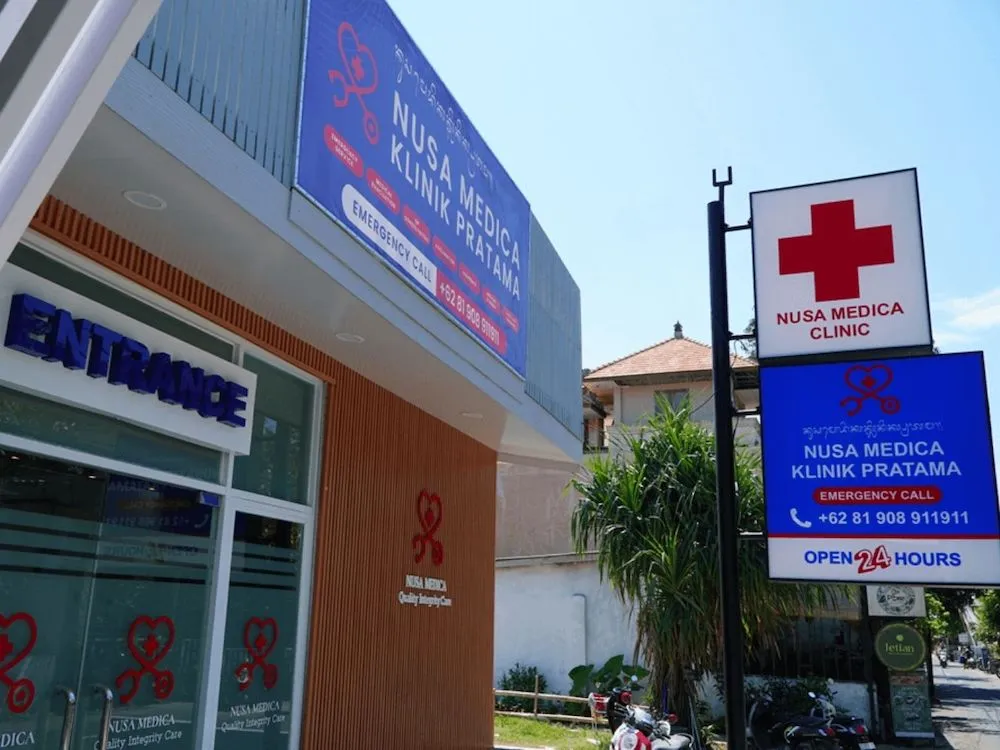
Find out who you will be learning from and whether qualified healthcare professionals supervise the placement. The Abroad Escape program places students with a private healthcare provider and states that interns are supervised by licensed medical professionals.
2. Clinical exposure
Look at the specific areas you may observe. The Bali placement can include patient consultations, primary care, triage, wound care, emergency stabilisation, documentation and referrals, depending on the placement.
This gives you a clearer picture of the experience than simply calling something a "medical internship."
3. Your level of responsibility
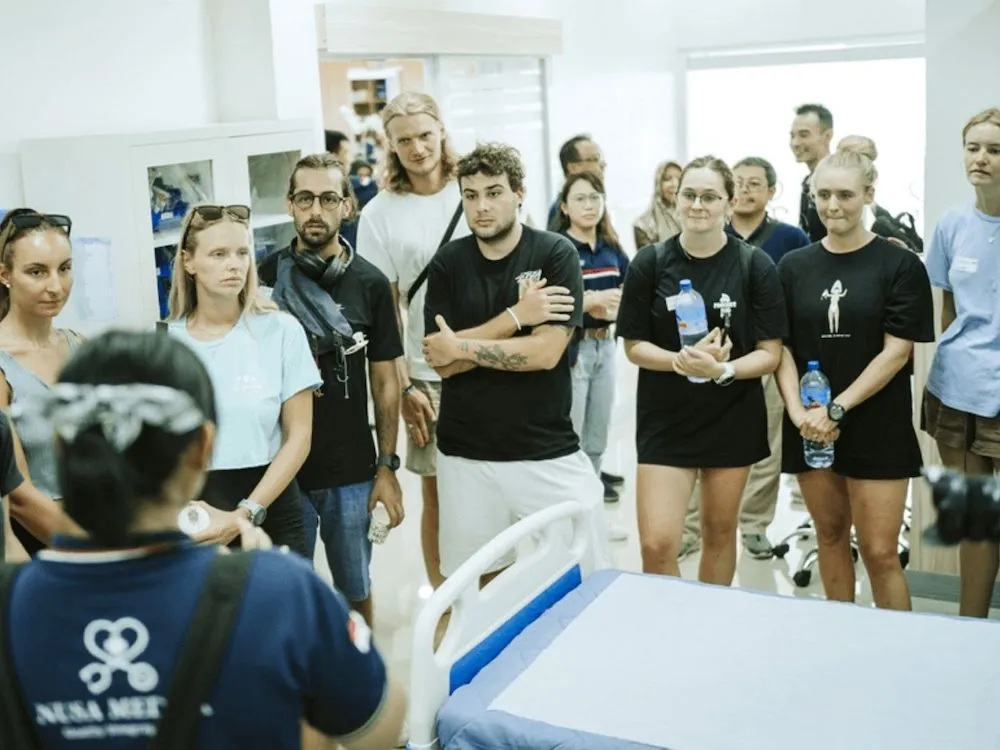
This is particularly important overseas. The Abroad Escape placement is primarily observation-based. You may shadow doctors and nurses and potentially assist with appropriate activities, but your qualifications and the placement facility determine what you can participate in.
A good internship should make those limits clear before you arrive.
4. Length and schedule
The program runs for 4–12 weeks, with weekly starts throughout the year. The typical schedule is Monday to Friday, around 5–6 hours per day.
That makes it possible to fit the placement around university holidays, provided the timing works with your course requirements.
5. Whether it matches your university requirements
An overseas internship is not automatically equivalent to clinical training or an elective at your medical school. If you need academic credit, specific competencies, or documented clinical hours, confirm those requirements with your university before booking.
For students who mainly want international exposure and the opportunity to observe healthcare professionals in a different healthcare system, a supervised placement can be a useful addition to their medical education.
What You Can Expect From the Bali Medical Internship
The day-to-day experience is built around observing healthcare professionals and learning how a clinical setting operates.
Depending on your placement and qualifications, you may observe:
-
Patient consultations and basic assessments
-
Patient intake and triage
-
Primary care and routine health checks
-
Wound care
-
Emergency stabilisation and referrals
-
Clinical documentation
-
Communication between healthcare professionals and patients
You may shadow doctors and nurses during their normal clinical routines, giving you a chance to see how patients move through the healthcare system and how staff communicate and make decisions.
The placement can also provide insight into emergency care and medical evacuation in an island setting. The supplied program information says interns may learn about air, land and sea evacuation as part of the healthcare provider's emergency-care work.
Your first week includes an orientation to Bali and the placement, followed by an introduction to the healthcare team and the facility's procedures, hygiene and confidentiality expectations.
The key point is that this remains supervised learning, not independent medical practice. What you can observe or participate in is determined by your qualifications, the healthcare facility and the supervising professionals.
Why Choose a Medical Internship in Bali?
For a medical student, an overseas internship can be useful when it gives you meaningful exposure to healthcare without overstating what you are qualified to do.
The Bali placement offers that through supervised observation of doctors, nurses and clinical teams. You can see how consultations, triage, patient flow, documentation and emergency referrals are handled in a healthcare setting that differs from the one you are used to.
You also get the chance to see how healthcare professionals work with patients from different cultural and language backgrounds. Because the placement serves international visitors as well as local patients, communication can be an important part of what you observe.
The experience is particularly relevant if your goal is to understand healthcare in another country, rather than simply collect hands-on procedures for your CV.
One point should remain clear throughout your research: the program does not replace your university's clinical training. The placement is designed around observation and supervised learning, with participation determined by your qualifications and the healthcare facility.
Medical Internship Options in Bali for Medical Students
If you are comparing medical internships in Bali, there are a few different types of programs worth considering. They are not all designed for the same student.
The Abroad Escape program described in the supplied source is another option, particularly for students who want a structured 4–12 week placement focused on observing healthcare professionals. The program can include consultations, primary care, triage, emergency stabilisation, wound care, documentation and referrals, but it is explicitly observation-based and does not replace university clinical training.
Udayana University is one of the strongest options to mention because it offers a dedicated one-month elective for international medical students. The program focuses on clinical sciences in Bali and includes lectures, small-group discussions, student projects and hospital visits. Udayana says the elective is intended to give students an understanding of diseases and treatment in Indonesia. (Udayana University International)
GLS Bali offers a more placement-focused medical elective, with observation opportunities across departments including internal medicine, surgery, pediatrics, cardiology, psychiatry, emergency medicine, radiology and others. Its stated hospital network includes Udayana University Hospital and several hospitals and clinics in Bali. (GLS Bali)
For students interested in a broader healthcare experience, STIKES Bina Usada Bali currently advertises a 10-week international clinical and community internship. Its program combines supervised rehabilitation and allied-health practice with community health and wellness activities, so it is less directly comparable to a traditional medical-student hospital elective. (Stikes Bina Usada Bali)
Which one is best?
It depends on your goal:
-
University-linked medical elective: Udayana University
- Structured international observation placement: Abroad Escape
-
Broader hospital-department observation: GLS Bali
-
Clinical + community/allied-health experience: STIKES Bina Usada Bali
Ready to Explore a Medical Internship in Bali?
If you are considering a medical internship in Bali, start by checking whether the placement matches your course, experience and learning goals.
Abroad Escape offers 4–12 week medical internships for medical, nursing and allied health students, with supervised observation of healthcare professionals in Bali.