Affordable Medical Internships in Bali for Nursing or Medical Students with Hospital Shadowing
Affordable Medical Internships in Bali for Nursing or Medical Students with Hospital Shadowing are actually a bit hard to find if you want something legit. This medical internship in Bali is designed for students who need to see how a real clinic runs without just being a tourist in a lab coat. Honestly, it is a great way to get your hours in while seeing how healthcare works in a completely different part of the world.
The Reality of the Medical Setting in Bali
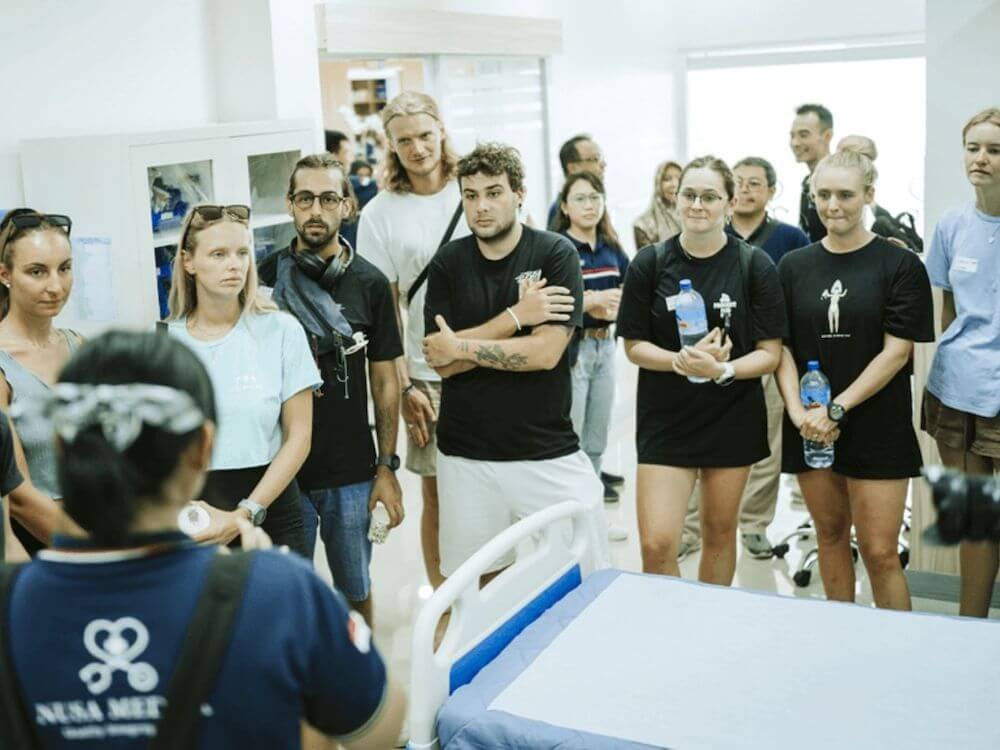
So, when you think of Bali, you probably think of beaches and villas. But the healthcare side of things is actually very professional and strict. You will be placed in a top private healthcare facility. These places have to meet international clinical standards. They focus on patient-centred care, which basically means they care a lot about the person, not just the illness.
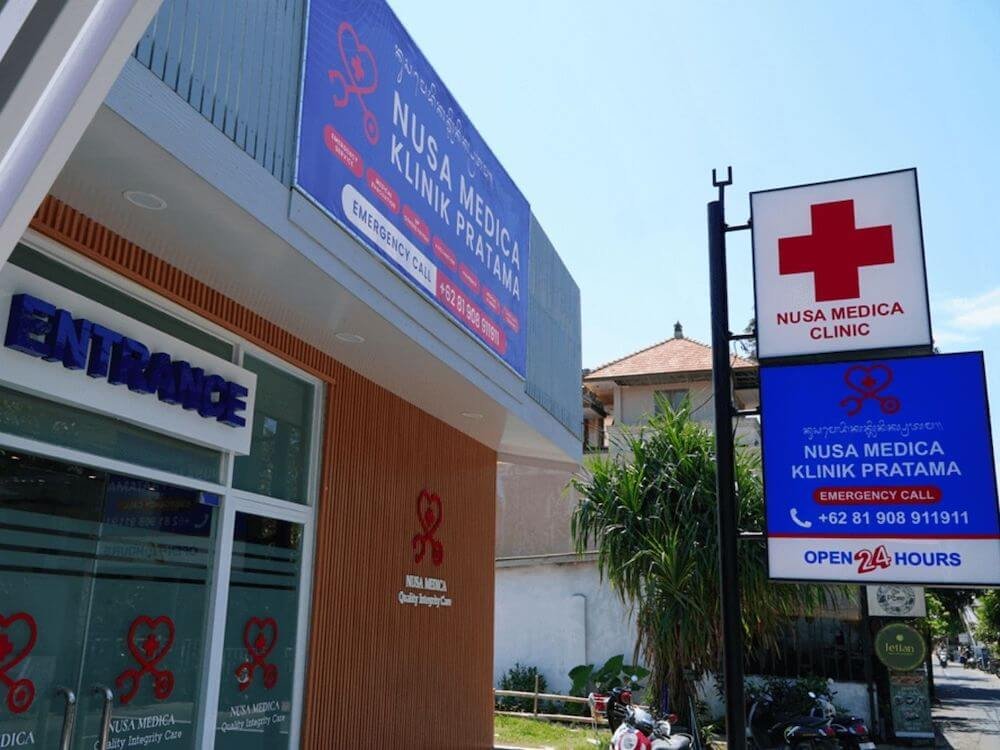
The clinic where you will be working is accredited by LAFKESPRI. That is a big deal in Indonesia. It is the quality assurance body for the Indonesian Ministry of Health. It means the clinic follows high standards for primary healthcare. You are not going to a random shop. You are going to a place that values excellence and integrity.
What You Will Actually Be Doing Every Day
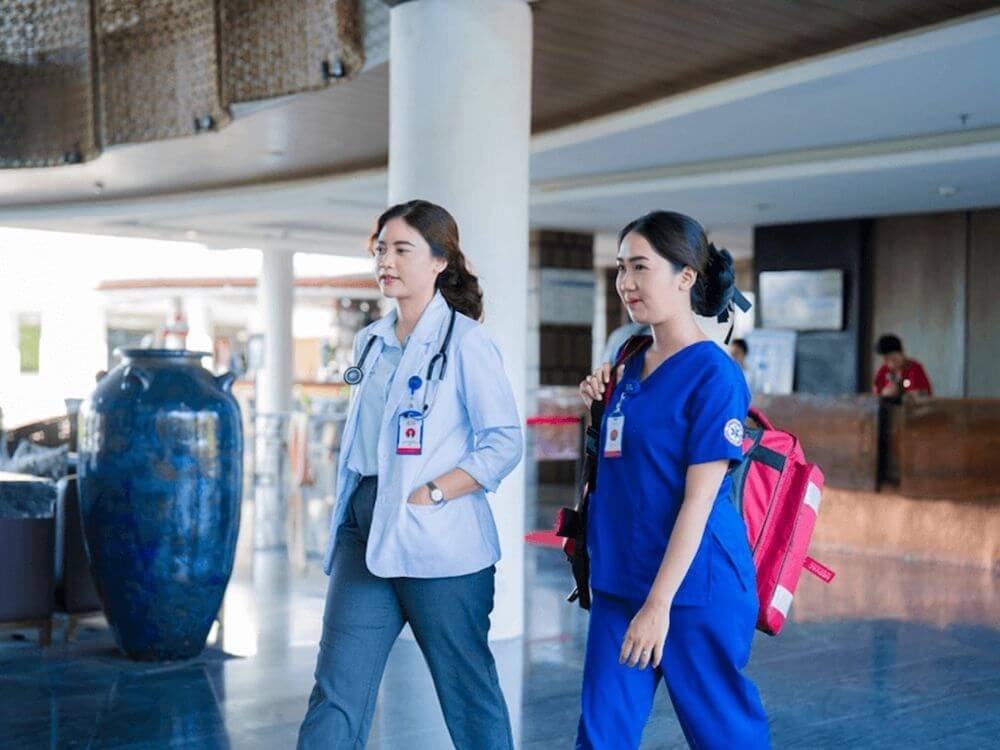
Actually, your main job is shadowing. You are there to watch and learn from doctors and nurses who have been doing this for a long time. You will see how they handle primary care and emergency services. It is interesting to see how they manage patients who might be locals or travelers.
You will get to see clinical workflows up close. This includes things like patient management and how doctors make decisions. You will spend time in consultation rooms. You also get to watch triage and how they stabilize people in emergencies. It is a very hands-on way to see medical assistance and evacuation logistics.
The Locations: Ubud, Pecatu, and Canggu
You could be placed in a few different spots. Ubud is more in the jungle and is very cultural. It feels very traditional there. Pecatu is down south near the big cliffs and surf spots. It is a bit more laid back but still busy with tourists who sometimes get hurt.
Canggu is the place where everyone goes for cafes and social life. It is very high energy. Where you end up depends on what the clinics need at the time. All these locations are great for 18 to 25 year olds because there is always something to do after work. You will find out your assignment based on availability and clinic needs.
Your Schedule and Working Hours
The program is full-time and clinical-based. You will work Monday to Friday. Usually, you are at the clinic for 5 to 6 hours every day. This gives you plenty of time in the afternoon to go to the beach or grab food with other interns.
The internship lasts between 4 and 12 weeks. Honestly, 4 weeks is the minimum to really get a feel for the place. If you stay for 12 weeks, you will see a lot more complex cases. You can start any week of the year, which is helpful for fitting it into your uni break.
Requirements for Students
You have to be at least 18 years old to join. This is a strict rule. You also need to be studying medicine, nursing, or something in the allied health field. Because you are shadowing professionals, you need to have a good base of knowledge already.
Your English needs to be at an advanced level. You will be shadowing multilingual doctors and nurses. They speak to locals in Indonesian and to travelers in English. You need to be able to follow the conversation to understand the medical decisions being made.
What is Included in the Program
We make sure the basics are covered so you can focus on the medical side. Your placement at the clinic is guaranteed. You also get accommodation from Sunday until Saturday noon of your last week. We pick you up from the airport during the regular pick-up times.
Every day from Monday to Friday, we provide one-way transport to the clinic. You get breakfast daily at your accommodation. We also provide your uniform, which is a set of white scrubs. At the end, you get a certificate of completion or a letter of recommendation. This is great for your CV when you apply for jobs later.
Weekly Breakdown: Week One Orientation
Your first Sunday is all about arriving. You meet the local coordinator and get moved into your accommodation. It is a good time to unpack and rest. In the evening, there is a welcome dinner. You will meet the other interns and talk about what the week looks like.
Monday is for orientation. You learn about Bali and local customs. It is important to know how to act in a Balinese setting. You also learn some basic Indonesian phrases. You will check out the neighborhood and find the best ways to get around.
Moving into the Clinic Environment
Tuesday is your first real day at the clinic. You get a tour of the facility and meet the doctors and nurses. You will talk about your learning goals with your supervisor. They will show you the hygiene standards and how they keep patient info private.
By Wednesday, you are right in the middle of it. You will watch patient consultations and shadow nurses during assessments. You will start to get used to the clinic routines. In the afternoon, you might see triage procedures or how they handle emergency preparedness.
Mid-Week Tasks and Observations
Thursday focuses on clinic operations and how patients move through the system. You will see how the different departments work together. This is also when you might learn about the evacuation processes. Since Bali is an island, they have to use land, sea, and air to move patients sometimes.
Friday is often about preventive healthcare. You might see routine check-ups or health screenings. Sometimes there are community health initiatives or education sessions. You will have a reflection session with your supervisor at the end of the week to talk about what you saw.
The Later Weeks: Deepening Your Knowledge
Week 2 is when things start to make more sense. You will follow cases from the start to the end. You get a better look at documentation and how the medical staff talk to each other. It hits different when you actually recognize the patients coming back for follow-ups.
By Week 3, you are very familiar with the routines. You can focus on more complex cases. You will understand the emergency systems much better. Week 4 is all about consolidation. You will feel much more confident in the medical setting and can review everything you learned with your supervisor.
Professional Development and Skills
This is not just about watching. It is about developing professional habits. You will get better at diagnostic observation. Your communication skills will improve because you are working in a multicultural setting. You learn to adapt to different ways of doing things.
You also build a lot of resilience. Working in a foreign healthcare system can be challenging. It teaches you how to problem-solve under supervision. The feedback you get from your mentors will help you with your future studies or your career.
Emergency Response and Evacuation Logistics
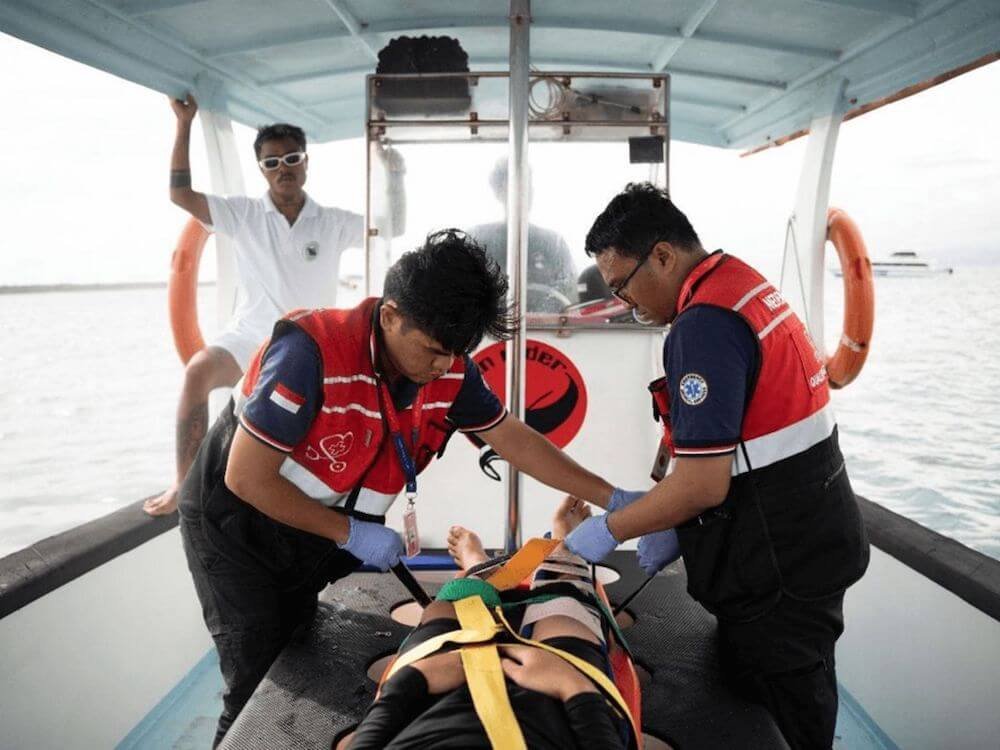
One of the coolest parts of this internship is the evacuation side. Not many student programs show you this. You get to learn about how they move patients across the island network. This includes air, land, and sea transport.
It is a very specific type of medical logistics. You see how they stabilize a patient before a long trip. Understanding these protocols is really helpful if you ever want to work in emergency medicine. It shows you the reality of healthcare in a place where resources have to be moved carefully.
Social Life and Weekends
Your weekends are completely free. Bali is a huge place with so much to see. You can head to the beaches in the south or go up north to see the mountains. Most interns travel together on Saturdays and Sundays.
Actually, the social side is a big part of the experience. You are living with other people your age who are interested in the same things. You will probably make friends that you will keep for a long time. It is a good balance between working hard at the clinic and enjoying the island life.
Why Choose Bali for a Medical Internship?
Honestly, Bali has a unique mix of health issues. You see tropical medicine, travel-related injuries, and standard primary care. The private healthcare system there is very efficient. Seeing how they manage everything with a mix of local and international standards is eye-opening.
It also gives you a chance to practice medical English in a real setting. You will see how doctors explain complex things to people who might be scared or in pain in a foreign country. This kind of empathy and communication is hard to learn in a classroom.
Support and Supervision
You are never just left on your own. You have licensed medical professionals watching over you. There are also local coordinators who are available 24/7. If you have a problem with your accommodation or the clinic, someone is there to help.
The supervision is structured. This means you have specific times to talk about what you are learning. It is not just random observation. Your supervisor will make sure you are hitting your learning goals. They want you to leave Bali with a much better understanding of healthcare than when you arrived.
Final Thoughts on the Program
If you are looking for an affordable way to get medical experience, this is it. It is a serious program for serious students. You get to live in one of the most beautiful places in the world while actually doing something for your career. It looks great on a resume because it shows you can handle yourself in an international environment.
The mix of clinical work and cultural immersion is what makes it stand out. You aren't just a tourist. You are part of a medical team for a few weeks. That is an experience that stays with you.