
Volunteer Abroad for 1 Week: The 2026 Guide
A one-week volunteer trip abroad is genuinely useful when the destination, project, and logistics are right. This guide covers who it works for, what you can realistically achieve in 7 days, the top 5 destinations, what's included in the weekly price, how Monday start dates work, what to pack, and how to book a program from €525 with no registration fees.

You have ten days off. You want to do something more meaningful than lying by a pool, but you're not in a position to take three months out of your life. You've searched "volunteer abroad for a week" and hit a wall of vague promises and expensive programme fees. This guide is for you.
A one-week volunteer abroad placement is a legitimate option in 2026, but only if you go in knowing what it is and what it isn't. Seven days is enough time to contribute real, useful work. It is not enough time to single-handedly transform a community. That distinction matters, and anyone who tells you otherwise is selling you something.
Who Is a 1-Week Volunteer Trip Actually For?
A short-term volunteer abroad placement works best for three types of people: professionals who can only take a week's annual leave but want to use it purposefully; students with a reading week or semester break who want structured international experience; and career-breakers or retirees who are testing the waters before committing to a longer trip.
It also works well for people who are geographically limited by family or work and genuinely cannot disappear for a month. One week of real, on-the-ground contribution is more valuable than no contribution at all, and a good programme structure makes short durations work.
What it is not ideal for is someone looking to build deep relationships with a specific community or take on a project that requires technical training and continuity over weeks. For that, a longer placement makes more sense. The short-term vs long-term volunteer abroad breakdown goes deeper on this trade-off if you're weighing up your options.
What Can You Realistically Achieve in 7 Days?
A one-week volunteer trip abroad gives you roughly 30 to 35 working hours on your project. That is a real amount of time, used well.
In teaching placements, you might spend the week assisting local teachers with English classes, running reading groups, and doing basic classroom prep. In conservation, you might complete a full week of turtle nest monitoring, beach clean-ups, and habitat data collection. In construction or renovation projects, a team of volunteers working five days can lay flooring, paint classrooms, or clear land. These are not token contributions. They are specific tasks that local coordinators plan for, and your presence is factored into the project schedule.
What you will not do in seven days is build lasting personal bonds with the children in a classroom or fully understand the cultural context of the community you are working in. You will get a real taste of it. That is worth something. Just go in knowing the difference.
The Monday Start Date System
Every Abroad Escape programme starts on a Monday, every week of the year. This matters for short trips because it means your departure can be organised precisely. You fly in on Sunday, your local coordinator meets you at the airport, and you start work Monday morning. You work through Friday, have the weekend to explore, and fly home Sunday if you want a clean 8-day trip, or Saturday if you want to keep it tight at 7.
This structure removes a common problem with short placements: volunteers arriving mid-project with no orientation, no context, and no one expecting them. Every Monday intake is a fresh start with a proper handover from the coordinator.
Top 5 Destinations for a 1-Week Volunteer Trip Abroad
Not every destination works for short-term volunteer placements. Some projects require two or three weeks before a volunteer becomes genuinely useful. These five are specifically structured for weekly intakes.
Thailand
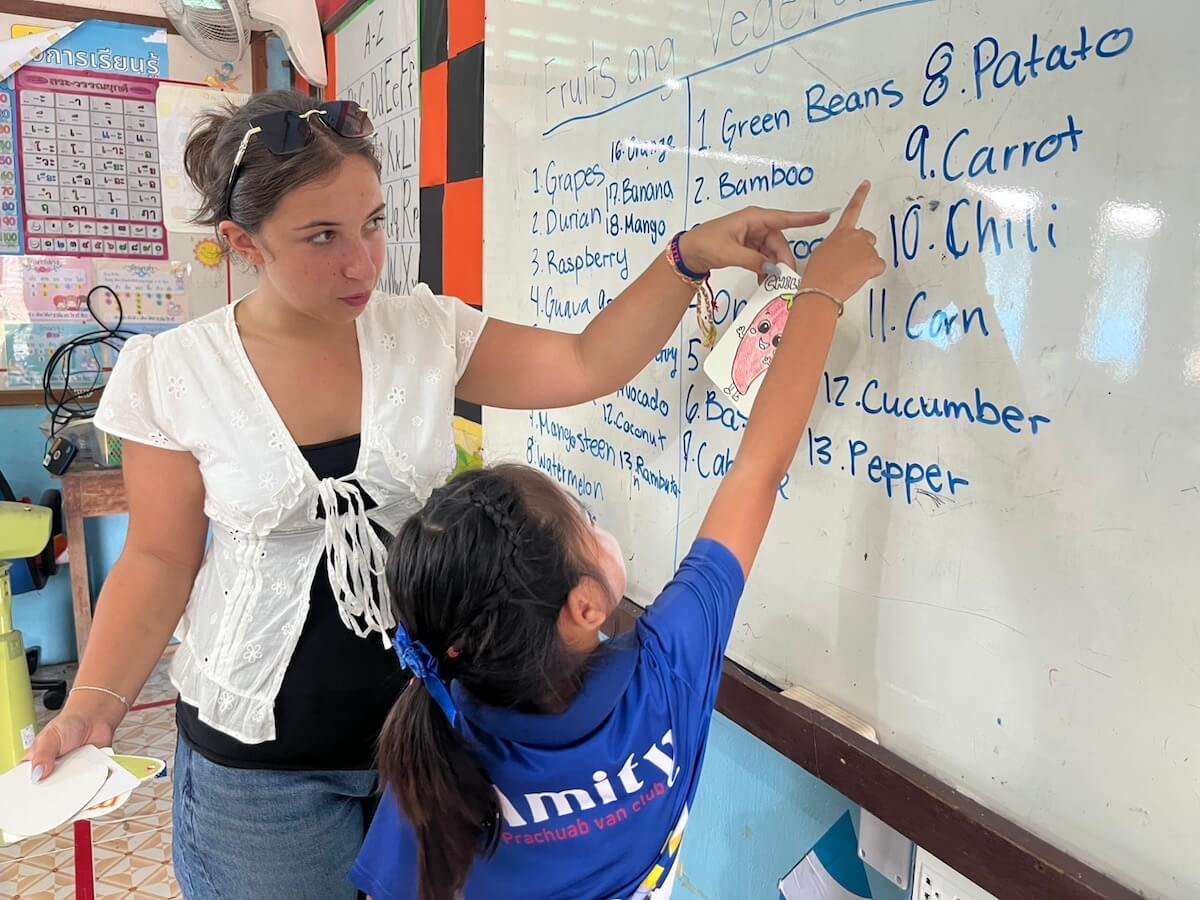
Thailand volunteer programmes are among the best-organised for short stays. Teaching English in schools around Chiang Mai or Hua Hin is structured by weekly lesson plans, so a volunteer arriving Monday can slot straight in. Projects are within easy reach of international airports, which keeps your travel day manageable. The cost of living is low, so your programme fee goes further on food and local transport.
Bali, Indonesia
Bali volunteer programmes range from turtle conservation on Kuta's beaches to teaching in village kindergartens in Ubud. The island is compact enough that a weekly placement feels full rather than rushed. Bali also has one of the most reliable local coordinator networks of any destination, which is particularly valuable when you only have seven days and cannot afford a wasted first morning sorting out logistics.
Cape Verde
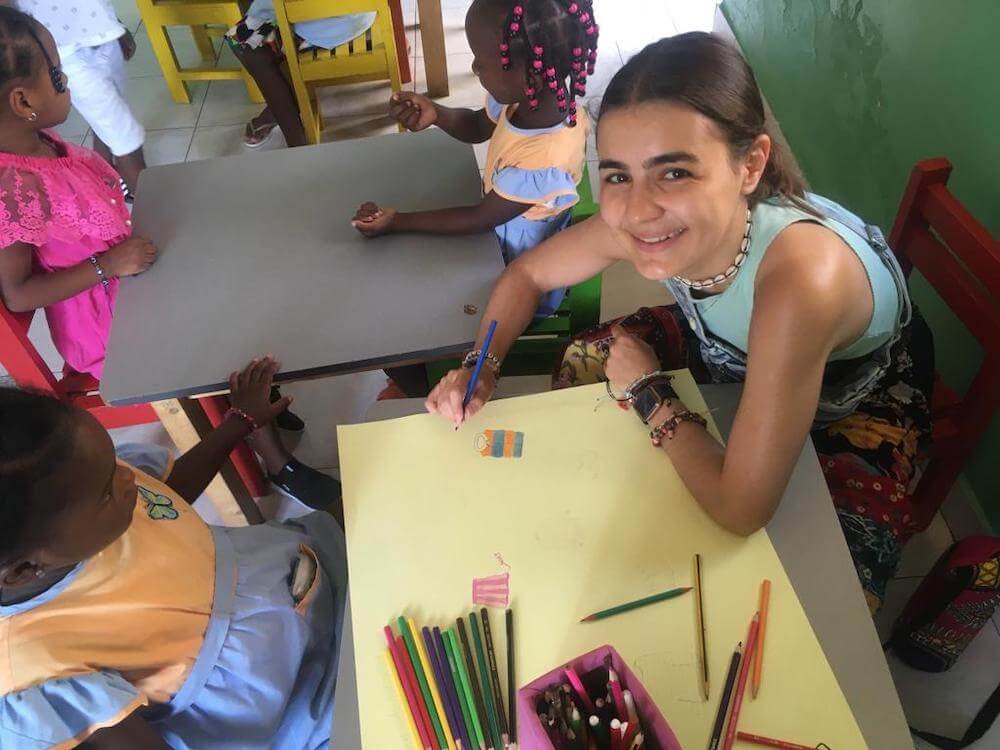
Cape Verde is a genuinely underrated destination for a short-term volunteer trip. The islands sit off the west coast of Africa, with direct flights from London and Lisbon. Childcare and community support programmes here are designed around weekly rotations, and the small island scale means projects are tightly managed. It is a particularly good choice for anyone who wants Africa without the longer travel connections that East or Southern Africa typically require.
Zanzibar, Tanzania
Zanzibar teaching placements put volunteers in primary school classrooms supporting local teachers with English, maths, and basic sciences. The island's school timetable is structured around weekly blocks, so short-stay volunteers integrate without disrupting continuity. Zanzibar also has the practical advantage of Stone Town, a UNESCO-listed city you can spend your weekend in without needing to travel anywhere.
South Africa
South Africa volunteer programmes offer more variety than most destinations at the one-week mark. Conservation work in the Eastern Cape, teaching placements in the Western Cape, and community care programmes are all available for weekly starters. Flight connections from the UK to Cape Town and Johannesburg are direct, which matters when you are optimising a short trip.
What Is Included in the Weekly Programme Price?
The starting price for a one-week placement with Abroad Escape is €525. Here is exactly what that covers.
Accommodation is included for the full duration of your stay, typically in a shared volunteer house managed by the local team. Three meals a day are provided, usually a mix of local food and familiar staples. Your airport pickup on arrival day is arranged in advance and handled by your local coordinator, the same person who manages your project schedule throughout the week. There are no registration fees and no admin charges on top.
What is not included is your international flight, travel insurance, and any personal spending. Abroad Escape publishes a full breakdown on the 1-week volunteer programme page so you can budget accurately before you apply.
The no-registration-fee structure is worth flagging specifically. Several placement organisations charge £150 to £300 just to process your application, before you have committed to anything. Abroad Escape does not do this. You pay for the programme itself, not the paperwork.
## What to Pack for a Short-Term Volunteer Trip Abroad
Packing for seven days of volunteer work is more practical than packing for a holiday. The goal is versatility and function in a bag you can carry as cabin luggage if you want to avoid checked baggage fees.
Here is what to bring:
- Clothing: 4 to 5 days of lightweight, modest workwear (long trousers or skirts for teaching placements, t-shirts that cover shoulders for community settings). Two sets of casual clothes for evenings and weekends. One warmer layer for air-conditioned transport and cool evenings. Quick-dry fabrics only.
- Footwear: One pair of closed-toe shoes for project work, one pair of sandals for downtime.
- Documents and money: Passport, travel insurance details (printed and digital), a copy of your programme confirmation email, and local currency for your destination. Most coordinators will advise on ATM availability at the airport.
- Health kit: Prescription medication in original packaging, standard painkillers, rehydration sachets, insect repellent with DEET, and high-factor sun cream. For some destinations your coordinator will advise on additional items.
- Tech: Phone with a downloaded offline map of the destination, a universal travel adapter, and a portable battery pack. Laptop is optional and often unnecessary for a seven-day trip.
Keep the bag under 10kg if possible. You will thank yourself on arrival when your coordinator is walking you to a vehicle and you are not wrestling with a 25-litre checked case.
How to Book Your 1-Week Volunteer Trip
The process is straightforward. Browse available programmes and destinations, choose your Monday start date, pay the €99 deposit to secure your place, and pay the remainder before departure. There are no registration fees, no hidden extras, and your local coordinator contacts you in advance to brief you on the project and local practicalities.
Abroad Escape runs programmes year-round with Monday start dates every week, so you are not locked into a fixed departure window. If your annual leave falls in February or October, there is a placement available.
The full list of affordable volunteer abroad programmes includes every destination, project type, and price breakdown. It is the most useful starting point if you are still deciding between destinations.
Frequently Asked Questions
Is one week enough time to volunteer abroad?
Yes, for the right project. Teaching support, conservation monitoring, construction tasks, and childcare placements are all structured around weekly rotations at many organisations. You will not transform a community in seven days, but you will contribute real, planned work that local coordinators rely on. Abroad Escape programmes are specifically designed to integrate short-stay volunteers from Monday of each week.
How much does a 1-week volunteer trip abroad cost?
With Abroad Escape, programmes start from €525 for one week. That includes accommodation, meals, airport transfer, and local coordinator support. It does not include your international flight or travel insurance. There are no registration fees or admin charges added on top.
Do I need any experience or qualifications?
For most volunteer placements, no specific qualifications are required. Teaching placements ask for a conversational level of English and a willingness to support local teachers. Conservation and construction projects require no formal training. Some medical or specialist placements do require relevant qualifications, and this is clearly stated in each programme listing.
What is the best destination for a 1-week volunteer trip?
Thailand and Bali are the most practical choices for first-time short-stay volunteers, thanks to excellent coordinator infrastructure, direct flight options, and weekly project structures. Cape Verde is the best option if you want an Africa-adjacent experience without long-haul connections. Zanzibar suits anyone who wants East Africa with a manageable travel day from the UK.
Can I extend my placement beyond one week?
Yes. All Abroad Escape programmes allow you to extend in weekly increments. If you arrive for one week and want to stay for three, you simply book additional weeks at the same weekly rate. Many volunteers who originally planned a one-week trip end up extending once they are on the ground.
Our Popular Programs

Bali
Environmental conservation and education programs in Balinese communities. Work alongside local people & teachers in structured daily placements.
Cape Verde
Turtle conservation and community development across the Cape Verdean islands. Turtle monitoring, ocean conservation, and local education projects.
Thailand
Join our elephant conservation, English teaching, and healthcare programs across Chiang Mai, Hua Hin, and Koh Samui. Weekly and fortnightly start dates available.

Vietnam
Education, healthcare, and community development in one of Southeast Asia's fastest-growing countries in Ho Chi Minh City and other locations.