Volunteer in Cape Verde
Immersion volunteer placements in Cape Verde
Our programs are based in Tarrafal, a coastal town on Santiago Island, and allow you to create your own schedule from 1 to 8 weeks.
Explore the options first.
Then apply once you know Cape Verde is right for you.
Is Cape Verde right for you?
Cape Verde is a good fit if you:
– Want a relaxed, community-based volunteer experience
– Enjoy working with children, education, sports, construction, or conservation projects
– Prefer island life with a slower pace
– Are open-minded and adaptable
Where you’ll be based
Our programs in Cape Verde are based in the coastal town of Tarrafal, located on the northern part of Santiago Island. Known for its laid-back vibes and stunning scenery, Tarrafal is a fishing town that’s perfect for anyone looking to experience authentic island life.
Why Join Abroad Escape?
Real Impact
We work directly with local projects and schools, focusing on practical, ongoing support rather than short-term volunteering for show.
20+ Years of Experience
With over two decades in international volunteering, we guide you through the process, help you choose the right program, and set clear expectations from the start.
Safe and Supported
Accommodation, local coordination, and on-the-ground support are arranged in advance, so you’re not figuring things out alone once you arrive.
What volunteering in Cape Verde looks like
All Cape Verde programs are paid volunteer programs and include accommodation, meals, local support, and coordination.
Most volunteers:
– Volunteer 4–6 hours per day, Monday to Friday
– Have free time in the afternoons
– Have weekends free for travel or rest
Projects can be combined week by week, depending on availability.
Our Placements in Cape Verde
You can choose which project you want to join week by week and create your own schedule from 1 to 8 weeks.
If you combine different locations, travel costs between locations are not included.
We strongly recommend starting with a Culture Week, especially if it’s your first time in Cape Verde. This helps with cultural adjustment and preparation before starting a project.

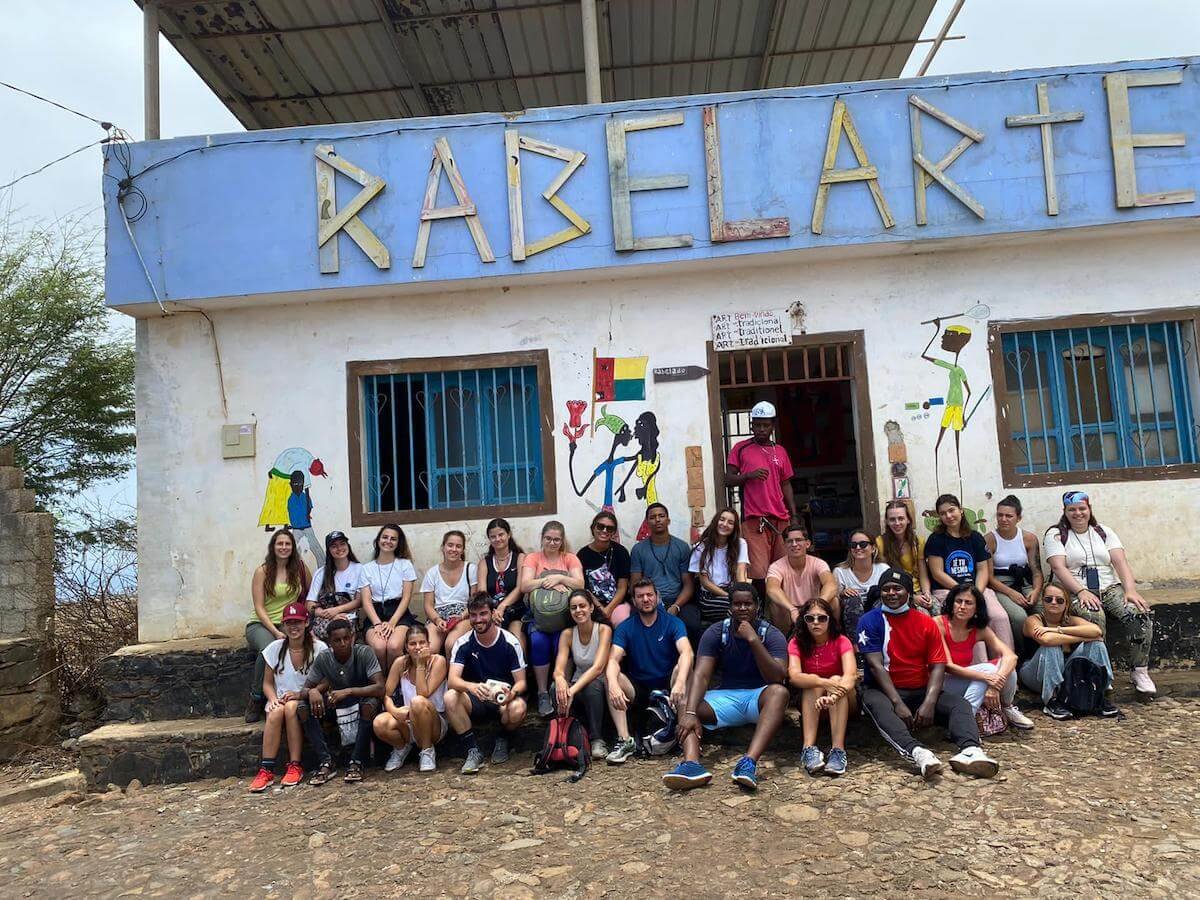
Culture Week in Tarrafal
Discover Cape Verde through a week of language, food, history and coastal chill in laid-back Tarrafal. You will pick up Kriolu basics, try local cuisine, meet artisans and farmers, and explore both the village streets and wild Atlantic coastline.
More info
Spend a full week in Cape Verde that moves between real local life and wild, beautiful landscapes.
Your base is Tarrafal, a calm village framed by steep mountains, green pockets of valley, and water so clear it barely looks real. The point of the week is simple. Live close to the culture. Learn how people speak, cook, work, and create. And do it in a way that respects the place and the people who call it home.
You’ll begin with the essentials: settling in, meeting the team, and picking up early Kriolu so you can greet people properly and follow along day to day.
From there, the days open up. Markets. Stories and landmarks that carry real weight. Craft traditions you can try with your own hands. Time on the sea with local fishermen, plus snorkeling.
And food, of course. You’ll learn to make Cachupa and understand why it matters here.
What you’ll do
-
Learn practical Kriolu for everyday conversations
-
Cook Cape Verdean dishes in a hands-on class
-
Spend time on Tarrafal’s beaches
-
Visit key historical sites, including the Tarrafal concentration camp
-
Make local crafts like bracelets, baskets, or hats
-
Join a pottery workshop and work with clay
-
Head out on the water with fishermen, with snorkeling included
-
Visit farms and see how island agriculture works in tough conditions
Why this week exists
-
Help you understand Cape Verde from the inside, not as a spectator
-
Bring you into local language, art, food, and daily customs
-
Create real exchange with the community through shared experiences
Week outline
Monday
You’ll start with breakfast, then a grounding introduction to Cape Verdean culture and how the week will run. There’s also a short admin moment before activities begin, including program documentation, the Code of Conduct, and collecting copies of your passport and visa.
After that, you’ll head out on foot to get oriented. Practical stops first, like supermarkets and ATMs. Then into the deeper context: the museum, the Tarrafal concentration camp, and the local market. You’ll also walk around the area near the center to get your bearings.
Lunch is at the center. Later, you’ll return to the market for a simple craft session, making bracelets you can keep as a small reminder of the place.
Tuesday
Breakfast first. Then a beginner Kriolu lesson focused on the basics you’ll actually use. Many people here speak Kriolu, along with Portuguese and French, so even a little goes a long way.
Next comes a traditional pottery workshop. Clay work has deep roots on the islands, tied to older West and Central African traditions and shaped by the land itself. It’s one of those things you understand better once your hands are in it.
You’ll also visit Chapel São José. After lunch, you’ll join local fishermen for an artisanal fishing experience, followed by snorkeling.
Wednesday
This is the food day. You’ll learn to cook Cachupa, one of the most well-known dishes in Cape Verde. Not just the recipe. The feeling of it.
You’ll also have another Kriolu class, adding more useful words, spelling, and everyday phrases.
Thursday
After breakfast, you’ll do a one-hour Kriolu session and begin building simple sentences.
Later, you’ll step into another craft tradition: weaving. Using materials like coconut and palm leaves, local artisans make practical pieces that are also quietly beautiful. Hats, baskets, and more. You’ll learn the technique by doing it.
Friday
Your final Kriolu class focuses on forming short phrases you can use confidently.
Then you’ll head back out with local fishermen for a fishing trip. After that, you’ll visit nearby agricultural fields to see how farming works here, shaped by volcanic terrain, steep slopes, and limited water. The methods are resilient for a reason.
You’ll also visit the project site where you’ll begin the following Monday, so you can arrive next week already comfortable with the setting.
* The schedule can be changed as per local conditions and unforeseen circumstances
Childcare Project in Tarrafal
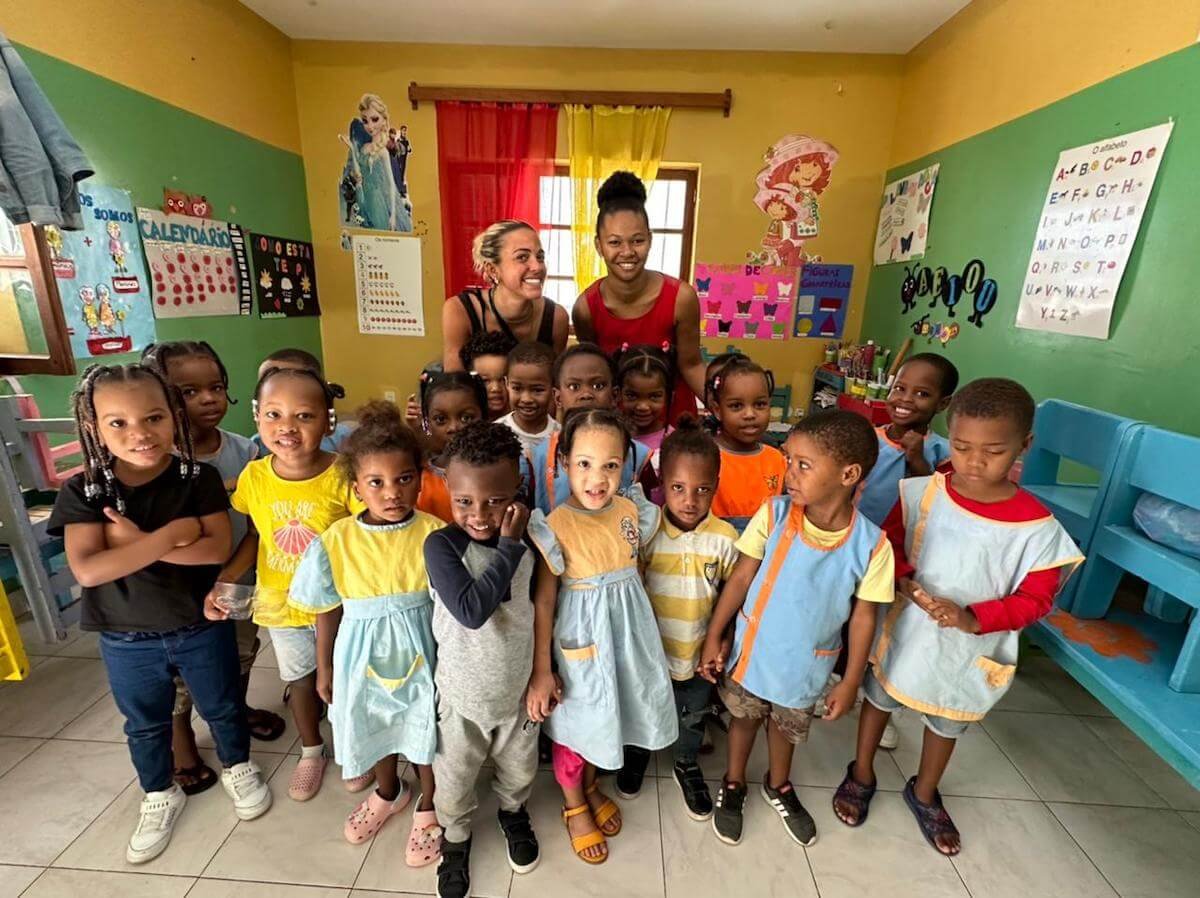
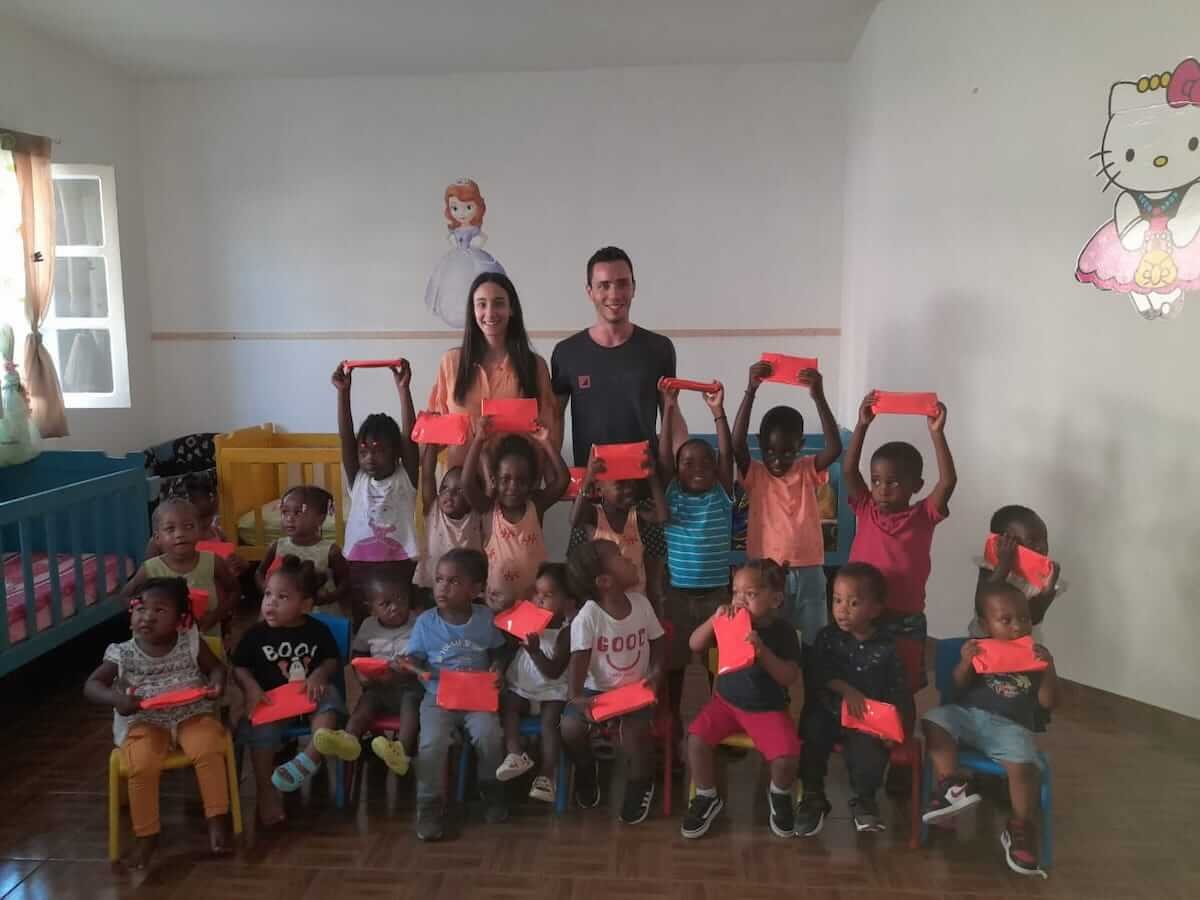
Join the Childcare Project in Tarrafal and spend your days helping young children learn, play and grow in a safe and positive environment. You will support local teachers with simple lessons and games, while soaking up beach town life on the island of Santiago.
More info
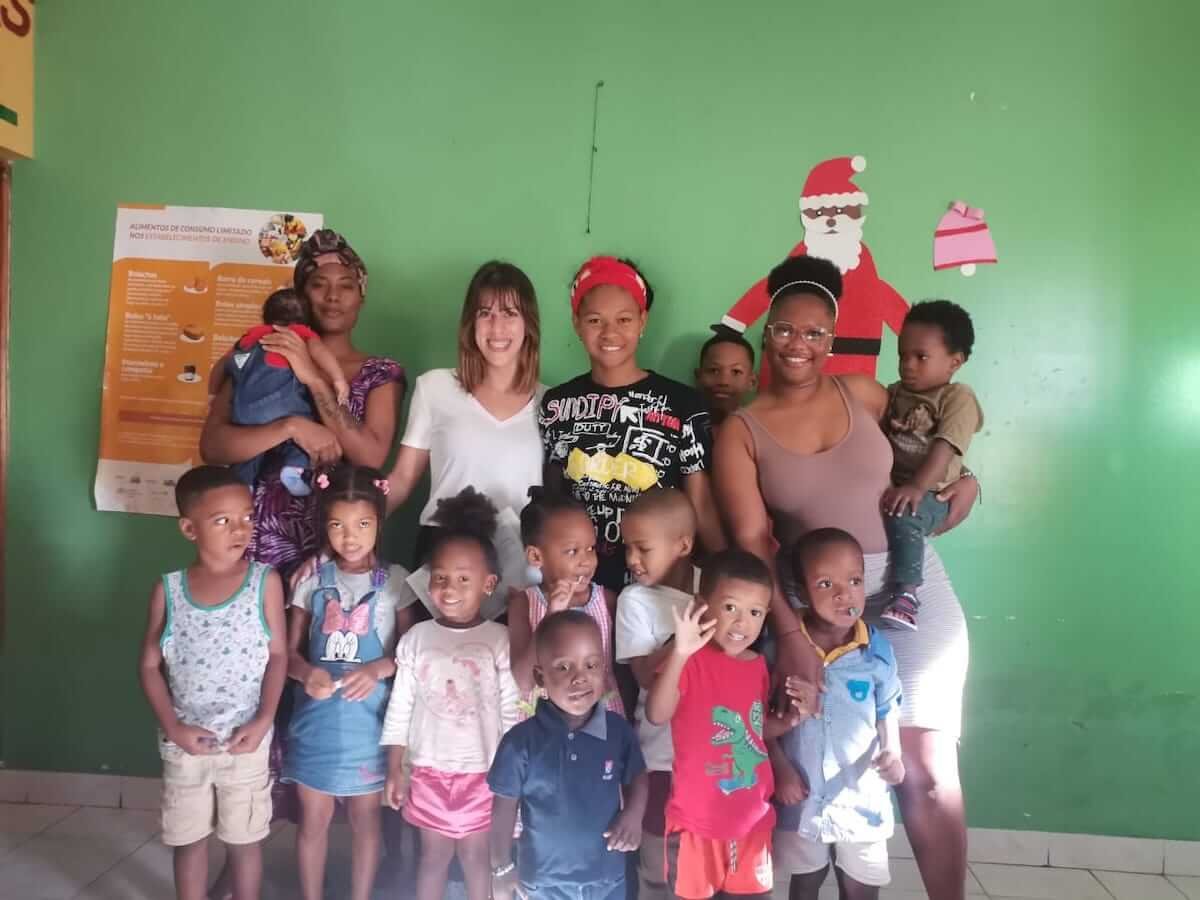
Spend your days in Tarrafal supporting a childcare center that looks after the youngest kids in the community.
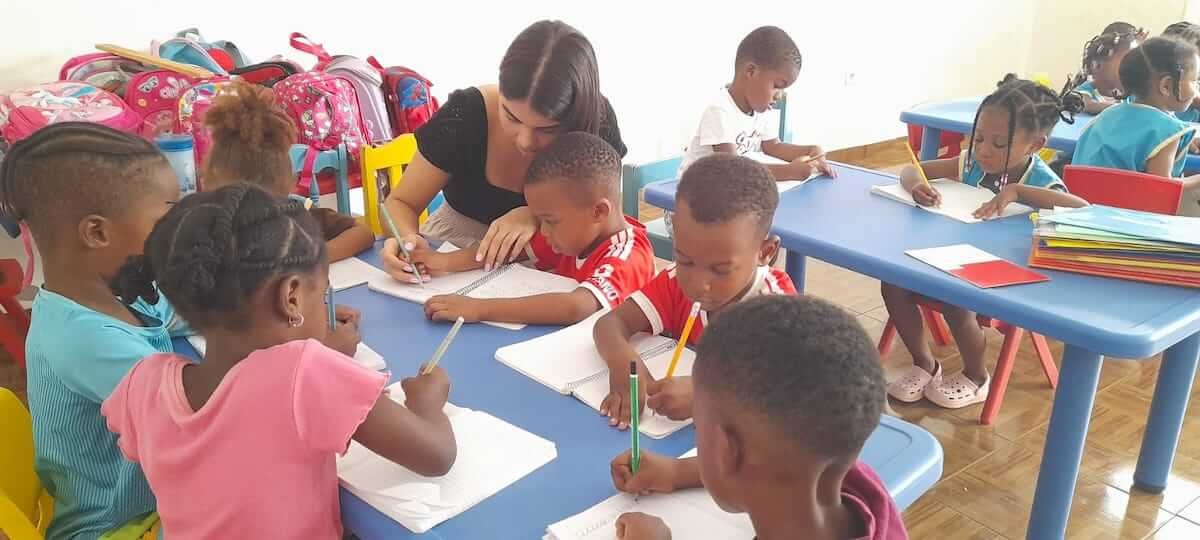
Tarrafal sits on Santiago Island, right by the sea. Bright blue water. Soft beaches. A small-town pace. Inside the classrooms, though, the days are busy in the best way. You’ll be with children aged 2 to 6, offering care, attention, and simple learning support in places like daycare centers, kindergartens, or early primary classrooms.
A lot of the children come from households where parents work long hours in low-paid jobs. Childcare is not a “nice to have” here. It’s what makes family life possible. By showing up consistently and helping out, you’re part of what keeps the space safe, calm, and encouraging for them.
Your time goes into the everyday things that matter. Helping with routines. Joining learning activities. Playing, drawing, singing, reading stories. Offering basic care when needed. You also take pressure off local staff, so they can focus more deeply on the children instead of simply trying to keep up.
Key parts of the experience
-
Work closely with children aged 2–6, supporting early growth and learning
-
Help introduce basic English through songs, games, and simple activities
-
Encourage social confidence, coordination, and thinking skills through play
-
Learn directly from local educators and assist them day to day
-
Add to a classroom atmosphere that feels steady, kind, and structured
What you’ll do on site
-
Support teachers during daily classroom routines
-
Help care for children and back up their learning activities
-
Prepare and lead age-appropriate games and mini-lessons
-
Keep the environment safe, welcoming, and well-organized
-
Track what you do and what you taught so the next volunteer can continue smoothly
Purpose of the project
-
Give you real contact with the next generation, in a setting that values connection across cultures
-
Support children’s early development: character, basic literacy and numeracy, and wider awareness through meeting people from different places
-
Create learning that goes both ways, for you and for the community
How the week flows
Monday
You’ll be welcomed into the community and introduced to local customs and everyday norms. You’ll also go through the project guidelines, so everything runs respectfully from the start.
You’ll learn a little Kriolu to help with basic communication, especially around the children. Later, you’ll do a practical orientation walk, including nearby supermarkets, ATMs, and a look around the neighborhood.
To close the day, there’s time at Mar De President Beach. Quiet decompression. Salt air. A good reset.
Tuesday to Friday
Mornings: You’ll be in the childcare setting supporting teachers with care and learning activities. Expect playful English exposure through songs, simple words, games, and stories.
Afternoons: More classroom support, plus creative tasks and hands-on learning. You’ll also help prep materials and plan activities for the next day.
Evenings: Free time. Rest. Space to think about what you noticed, what went well, and what the children responded to. Some days will feel small. That’s fine. Small is where this work lives.
* The schedule can be changed as per local conditions and unforeseen circumstances
Education Project - Tarrafal
Teach conversational English and support local teachers in Tarrafal while living by the sea and experiencing Cape Verdean culture up close. This project is ideal if you enjoy working with kids and want to help them build skills that could open doors later in life.
More info
Spend your week in Tarrafal helping local teachers bring English to life for primary school children.
Tarrafal is a small town in the northwest of Cape Verde. Sea the color of cobalt. Beaches nearby. But the heart of this placement is the classroom. You’ll focus on conversational English, plus other basic subjects when needed, depending on what the school asks for. The goal is simple: help children feel more confident with language and learning.
Many kids here study with limited materials and inconsistent support at home. Schools do what they can, but the staffing gap is real. There are five local educators for around 260 students, including 130 girls. Extra hands matter. Your presence helps lighten the load and gives children more attention than the system can usually offer.
This isn’t only about grammar. It’s about making learning feel possible. Making it enjoyable. Bringing fresh ideas into lessons. Showing children that the wider world is real, and reachable, and interested in them too. You’ll work side by side with local teachers, following their lead and adding your own creativity where it fits.
What makes this program special
-
Learn and teach alongside local educators in a calm, supportive setting
-
Use playful methods to teach English: games, songs, art, simple stories
-
Trade cultures in both directions. Share pieces of home, listen to theirs
-
Live close to the community and see daily life in Tarrafal up close
What you’ll do in school
-
Lead and support beginner English activities that feel fun, not intimidating
-
Help plan lessons with the classroom teacher and adapt to what students need
-
Prepare simple materials like flashcards, worksheets, visuals, and learning games
-
Bring in creative sessions like drawing, storytelling, music, or sports-based learning
-
Join school moments beyond the classroom when they happen: events, community activities
-
Keep clear notes on what you covered so the next volunteer can continue smoothly
-
Show up on time, ready, and engaged. Consistency matters to kids
Why the project exists
-
Build students’ English skills in a way that supports future choices
-
Create real cultural exchange, not surface-level “visiting”
-
Support local teachers with extra capacity, new methods, and outside perspective
-
Strengthen the feeling that people and communities can belong to something bigger
Weekly rhythm (Monday to Friday)
Most days follow the same pattern: you’ll be in class supporting lessons, helping manage groups, and giving extra attention to students who need it. You’ll plan with the teacher, then prep whatever materials you can for the next day. Resources can be limited, so improvising is part of the work. That’s also where some of the best teaching happens.
Throughout the week, you’ll weave in informal learning. Songs. Movement. Drawing. Storytelling. Anything that helps kids speak up, stay curious, and keep trying. And along the way, there’s the quiet exchange that happens naturally. Questions about where you’re from. How you live. What school is like elsewhere. You’ll learn just as much back.
Sports Coaching- Tarrafal
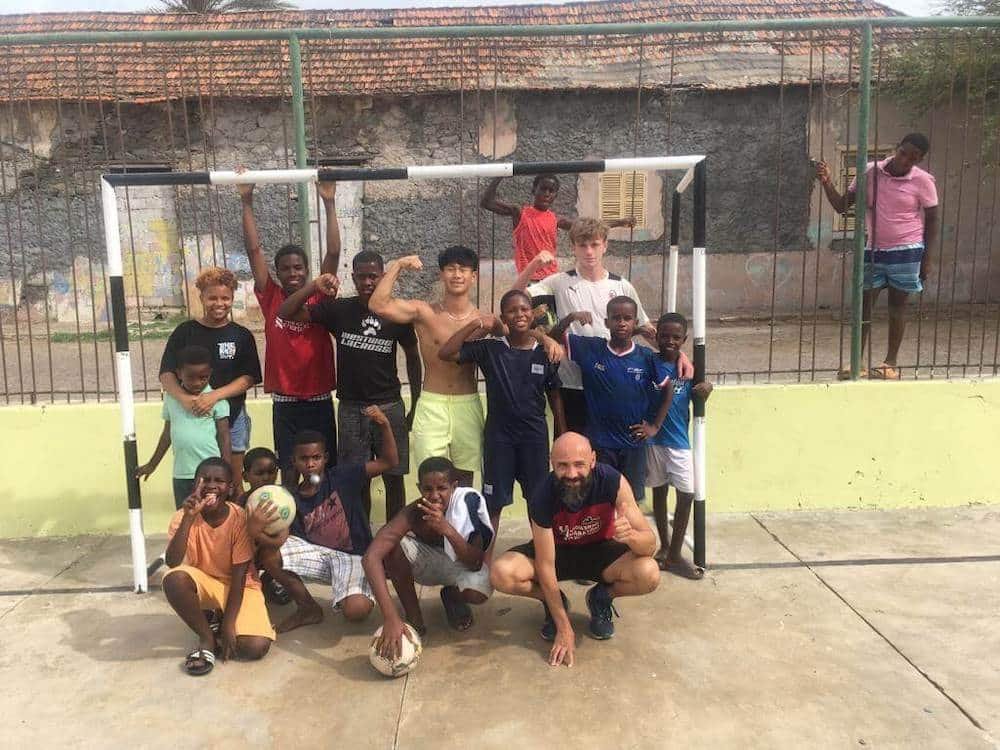
This placement is for people who want to coach kids in Tarrafal and help them grow through sport. You’ll be sharing what you know in football (soccer) and basketball with children who are excited to learn and happy to be active.
More info
The sessions are about more than technique. You’ll also talk about why movement matters. For the body, yes. For the mind too. Confidence, focus, stress relief. The quiet pride that comes from improving at something.
You’ll coach mixed groups. Different ages. Different skill levels. Some children will be brand new. Others will already have a feel for the game. The aim is to meet them where they are, keep things inclusive, and still challenge them. Over time, you’ll help shape habits that can stick. Discipline. Team spirit. Showing up. Trying again.
What you’ll be doing
- Coach football and basketball for beginners and more experienced players
- Adjust drills and explanations to suit age and ability
- Use sport to teach cooperation, leadership, and self-belief
- Join local events like matches, tournaments, workshops, or community activities
- Encourage kids to set goals and stay committed, on the court and beyond
Your responsibilities
- Demonstrate and teach skills in a way that feels clear and fun
- Run training sessions that build fitness, coordination, and game ability
- Plan practices with local coaches and follow their guidance
- Reinforce good habits: teamwork, discipline, resilience
- Set the tone. Be steady, respectful, and encouraging
What the program is trying to achieve
- Support healthier routines through regular physical activity
- Improve sports skills with coaching that matches the group’s needs
- Build teamwork and leadership in a natural, hands-on way
- Strengthen confidence and persistence through practice and play
- Make sure everyone is included, regardless of gender, background, or ability
- Use sport as a way to bring people together in the community
Typical week (Monday to Friday)
You’ll plan each day with a local coaching coordinator, based on who’s attending and what they need.
Most sessions follow a simple arc:
- Start-up: light warm-ups and stretching
- Focused work: drills for key skills like passing, dribbling, shooting, and footwork
- Team exercises: short activities that reward communication and cooperation
- Play time: small-sided games or friendly matches so kids can apply what they learned
- Wrap-up: cool-down stretches and a quick check-in on what improved
Your job is to guide the group through the full session, keep energy positive, and help each child feel seen. As an athlete, and as a person.
Renovation Project - Tarrafal
Join the Renovation Project in Tarrafal and help transform local schools into brighter, safer and more inspiring places to learn. If you enjoy hands on work and want to see clear results from your efforts, this project gives you a practical way to support the community.
More info
Help local schools in and around Tarrafal become places that feel safer, brighter, and easier to learn in.
The work is practical. Hands-on. You’ll be improving the physical spaces children use every day, fixing what’s worn down and building what’s missing. Some weeks it’s a library that needs attention. Other times it’s a playground, a classroom, or whatever the school is struggling with at that moment. When supplies are needed, the project may also step in to help fill those gaps.
Expect real renovation tasks. Painting. Basic carpentry. Brickwork. Small repairs. Landscaping. And, when there’s space for it, creative improvements that make the surroundings feel more welcoming. A fresh wall. A simple mural. Cleaner outdoor areas. Small changes that shift the mood of a whole school.
You won’t be left guessing. Local coordinators work with you each day, showing you what to do and keeping the plan moving. You’ll learn by doing. That’s the point. You contribute to the community, and you come away with practical skills and a better sense of how work like this gets done.
It can be physically demanding. You’ll be using tools and working with materials, so safety matters. Ask questions. Get help when you need it. No hero moves.
What you’ll be part of
-
Improve school spaces like classrooms, libraries, and play areas
-
Take on real building and maintenance tasks: painting, carpentry, repairs, landscaping
-
Add thoughtful details that make the environment feel cared for
-
Work closely with local coordinators and other volunteers
-
Leave behind improvements children will actually use
What you’ll do day to day
-
Support repairs and upgrades across different school facilities
-
Paint and help with carpentry tasks; assist with murals or educational visuals when appropriate
-
Bring ideas for making the grounds cleaner, greener, and more inviting
-
Plan the day’s work with the team and follow the coordinators’ guidance
-
Keep things safe, steady, and collaborative while the work gets done
Why the project exists
-
Give students better learning conditions by strengthening school infrastructure
-
Offer practical experience in renovation and construction work
-
Create spaces that feel secure and welcoming for children and the wider community
-
Build connection through shared effort, side by side
Weekly flow
Monday
You’ll arrive, get settled, and be introduced to Cape Verdean culture and local expectations. House rules, the Code of Conduct, and essential paperwork are handled early so the rest of the week runs smoothly.
You’ll also have a basic Kriolu session, then a short orientation walk to nearby supermarkets, ATMs, and the area around the center. Later, there’s time at Mar De President Beach before dinner.
Overnight in Tarrafal.
Tuesday to Friday
Each morning starts on site at a local school. The specific tasks depend on the school’s needs, but commonly include painting, repairs, carpentry, and outdoor cleanup or landscaping. You’ll work as a team with the coordinators guiding the plan.
Lunch and rest breaks are built in. Afternoons continue with a mix of practical fixes and creative finishing touches. At the end of the day, you return to your accommodation in Tarrafal for dinner and downtime.
Overnight in Tarrafal.
Medical Project - Tarrafal
This placement exists to support healthcare teams in Tarrafal, Cape Verde, while giving medical learners and professionals a real view of clinical work in a different setting.
More info
You’ll be based at a modern health center in Tarrafal. It’s built on the same model used across the country and is set up to make care more accessible for local residents. The services are broad and practical: an emergency room, clinical analysis labs, a pharmacy, basic radiology, outpatient consultations, and public health support.
The experience is clinical, but not only clinical. You’ll get close to everyday life here. You’ll see how the system works, how staff solve problems with the resources available, and what community health looks like on the ground.
Who this is for
-
Medical students who have completed at least two years of study
-
Doctors and other qualified healthcare professionals who want direct experience in a new context
-
Nurses and allied health professionals with a minimum of two years of training
What you’ll be involved in
You’ll shadow and assist local staff, interact with patients under supervision, observe clinical routines, and contribute where appropriate to public health efforts. The exact scope depends on your training and the needs of the center.
What stands out in this placement
-
Practical exposure in a well-equipped health center in Tarrafal
-
Time in departments such as Otorhinolaryngology (ENT) and Orthopedics
-
Support for community health outreach and patient education
-
Daily learning alongside experienced local clinicians
-
Responsibilities matched to your experience level
-
Regular contact with the community, creating real cultural exchange
Possible responsibilities
Support is needed primarily in ENT and Orthopedics. Your mentor assigns duties based on your background, so roles can vary. Tasks may include:
-
Assisting with patient assessments and basic tests alongside the specialist
-
Helping explain diagnoses, treatment plans, and prevention in clear language
-
Coordinating with other professionals, including audiology or speech and language support when relevant
-
Taking part in outreach events such as health fairs or community medical activities
-
Supporting training for junior staff when appropriate
-
Keeping accurate records and working within ethical and professional standards
Purpose
Strengthen patient care and contribute to a better clinical environment, with positive effects that extend beyond the facility into the wider community.
Weekly structure
Monday
You’ll begin with an introduction to local culture and expectations, including house rules, the Code of Conduct, and required documentation. A basic Kriolu lesson follows, then a short orientation walk for essentials like supermarkets, ATMs, and the area around the center.
Later, you’ll visit the hospital for an initial tour and a theory-focused orientation.
Tuesday to Friday
-
08:00 Breakfast at your accommodation
-
09:00 Depart for the hospital and start work
-
12:00–14:00 Lunch break
-
14:00–16:00 Continue hospital work
-
20:00 Dinner at your accommodation
Weekend shifts may be required, including Saturdays and Sundays.
Turtle Conservation Project - Tarrafal
Spend your nights patrolling Cape Verde’s beaches to protect nesting Loggerhead turtles and your days resting by the ocean in Tarrafal. This conservation project is perfect if you love wildlife, do not mind late hours and want to be part of real fieldwork that helps an endangered species.
More info
Some nights in Cape Verde begin with dinner and a headlamp. Then the road north on Santiago. And finally the sand, quiet and dark, where loggerhead turtles return to nest.
This program puts you on those beaches, doing the unglamorous, important work that helps a species survive. Cape Verde holds the world’s second-largest breeding colony of loggerhead sea turtles. They are protected by law. Still, poaching remains a serious threat.
You’ll be based in the northern part of Santiago Island, working with a local conservation team. The focus is nesting beaches, hatchery protection, and community involvement. The work happens at night, when nesting takes place. Some nights you’ll camp right on the beach so you can monitor safely and consistently. Ribeira da Prata and Tarrafal are the main project sites.
You won’t be watching from a distance. You’ll be part of the team.
What you’ll spend your nights doing
- Walk patrol routes on the beach to spot turtles, tracks, and nesting activity
- Support local staff as they monitor nesting females and protect eggs
- Help move nests from risky areas into protected hatcheries when required
- Guard hatcheries from predators and prevent unauthorized access
- Record field data: sightings, tracks, nesting details, hatchling outcomes
- Join outreach efforts when the local team schedules them
- Help keep the project area cleaner through beach clean-ups
Awareness and education activities depend on the plans of the local staff. Fieldwork remains the priority.
What your participation supports
- Stronger protection on the main nesting beaches of Santiago Island
- Better data on turtle numbers, distribution, and nesting success
- Fewer opportunities for illegal harvesting and disturbance
- Healthier beaches and a safer nesting habitat over time
Practical realities
This is night work. You’ll sleep during the day. Camping on the beach is part of the monitoring approach, so being prepared makes a big difference to your comfort. Weather and local conditions can change plans quickly. Flexibility helps.
What’s included
- Accommodation from Sunday until Saturday at noon of your final week
- Arrival pick-up during the standard pick-up window, plus transport during scheduled program activities
- Meals daily: 3 meals on weekdays, 2 meals on weekends
- Project tools, materials, and necessary equipment
- Guidance from experienced local coordinators
- Local team support available 24/7
What’s not included
- Flights and visa costs
- Travel insurance
- Personal spending
- Extra tours or add-on activities
Goals of the project
- Reduce consumption of sea turtle meat and strengthen scientific knowledge of turtles on Santiago Island, Cabo Verde
- Cut illegal poaching and maintain consistent monitoring of key beaches on Santiago Island
- Protect loggerhead turtles and their nesting habitat through measures such as protected hatcheries, care for injured turtles, beach conservation and anti-pollution work, and systematic data collection
Typical week plan (Monday to Friday)
19:30 Dinner
20:00 Leave for Ribeira da Prata
20:25 Arrive, meet the conservation team, begin night work
06:00 Leave Ribeira da Prata, return to Tarrafal accommodation
08:00–09:00 Breakfast, rest
13:00 Lunch, rest
19:30 Dinner
20:00 Depart again for Ribeira da Prata
Night field tasks may include
- Patrols to track and protect nesting activity
- Moving eggs and nests from unsafe zones into hatcheries for monitoring
- Supporting relocation efforts for high-risk nests
- Checking hatchery nests and supporting monitoring work
- Collecting biological data related to abundance and distribution
- Community workshops and sharing updates when scheduled
- Beach clean-up work in the project area
Plans can change due to weather, local conditions, or unexpected situations. Some weeks may also include Saturday shifts.
2026 start dates
Trekking Week in Tarrafal
A week built around moving through Cape Verde the slow way. On foot. On two wheels. Through places most visitors never reach.
More info
Santiago Island is full of surprises. Green valleys tucked between ridgelines. Mountain paths that drop all the way to the sea. Small villages where people still greet you like a neighbor, not a tourist. This program is for anyone who feels better outside than indoors, and wants to understand the island through its landscapes and its people.
You’ll spend the week hiking and trekking across northern Santiago, with a cycling day in Tarrafal. There’s also time to see local production up close, including a rum distillery visit with a tasting. Expect big views, long days, and the kind of tired that comes with fresh air and honest effort.
Safety matters here. Listen to your local coordinator and guides. Keep an eye on your belongings. Respect the environment. Bring extra cash and plenty of water, and let the team know about any medical conditions before you start.
Highlights you can expect
-
Walk through fertile valleys and rural communities in northern Santiago
-
Trek Serra Malagueta and Mato Brasil for wide-open views across the island
-
Visit an organic farm and share a Cape Verdean lunch with a local family
-
Take on the demanding “King-Track” route in Gon-Gon Valley
-
Cycle around Tarrafal and its surrounding scenery
-
Tour a local rum factory and try the finished product
Week plan
Monday
You’ll head into the greener side of northern Santiago, spending the day in valleys and villages. There’s time to meet locals and get a feel for everyday life outside the coast. Later, you’ll visit a rum producer and finish with a tasting.
Overnight in Tarrafal.
Tuesday
A longer trekking day, moving from Serra Malagueta toward Achada Lagoa and Mato Brasil. Expect open horizons and sweeping views over the north of the island.
Overnight in Tarrafal.
Wednesday
Back into the Serra Malagueta mountains for another hike, then a visit to an organic farm. Lunch is shared with a local family, with a closer look at traditional farming life. Local wildlife is sometimes around, and monkeys may appear.
Overnight in Tarrafal.
Thursday
The toughest day. The Gon-Gon Valley route, often called Cape Verde’s “King-Track.” You start near the Serra Malagueta Nature Park and finish at the ocean. Spectacular terrain the whole way.
About 6 hours on the trail. Difficulty level 4.
Overnight in Tarrafal.
Friday
A full cycling day around Tarrafal and its surrounding landscapes. Mountain roads, wide views, and a different pace than the hikes.
About 6 hours riding.
Overnight in Tarrafal.
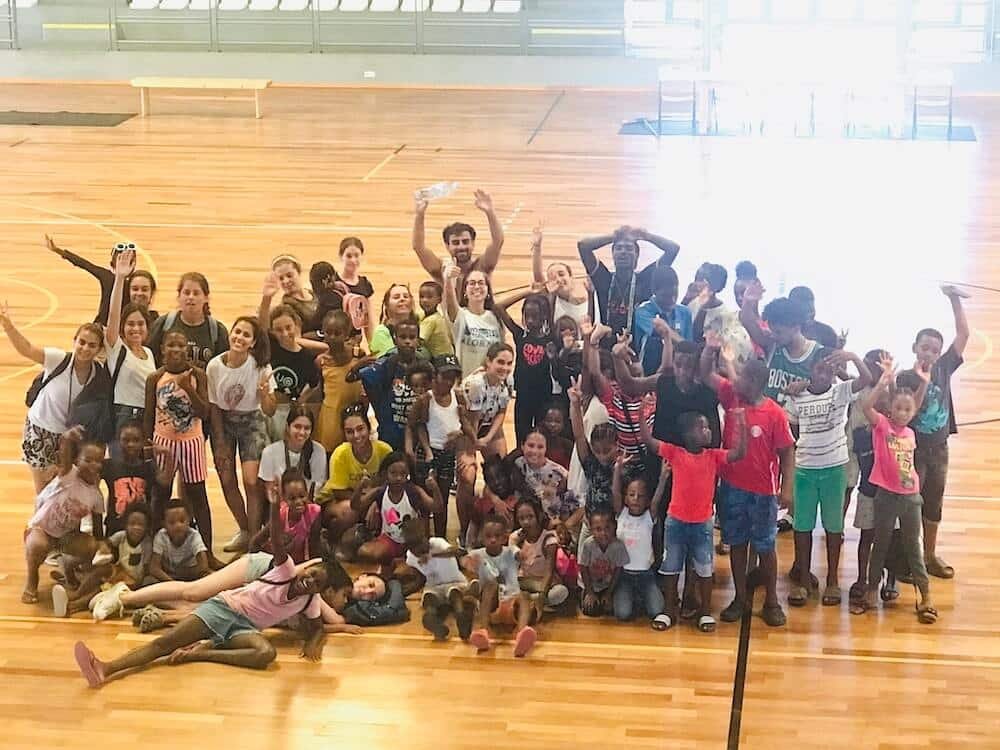
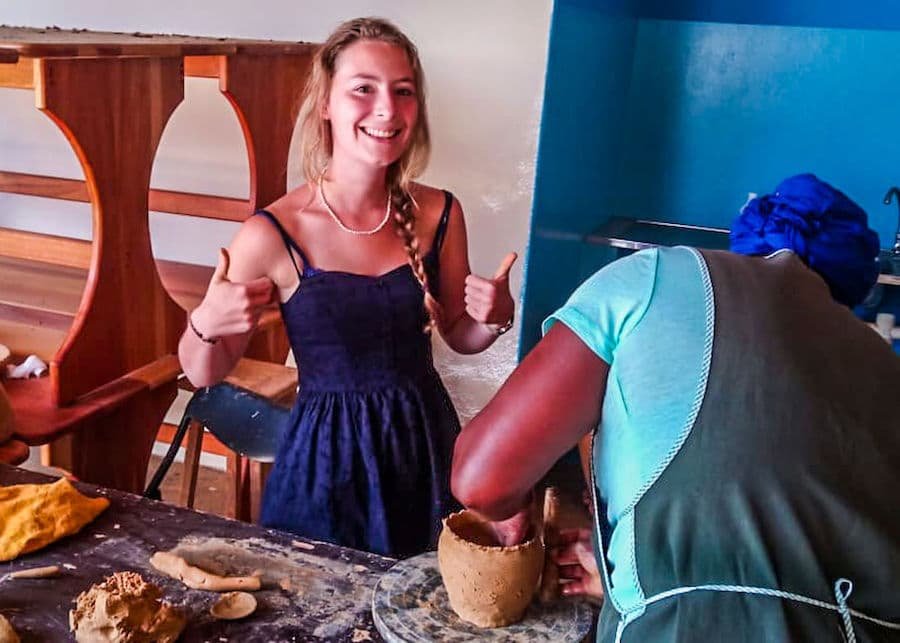
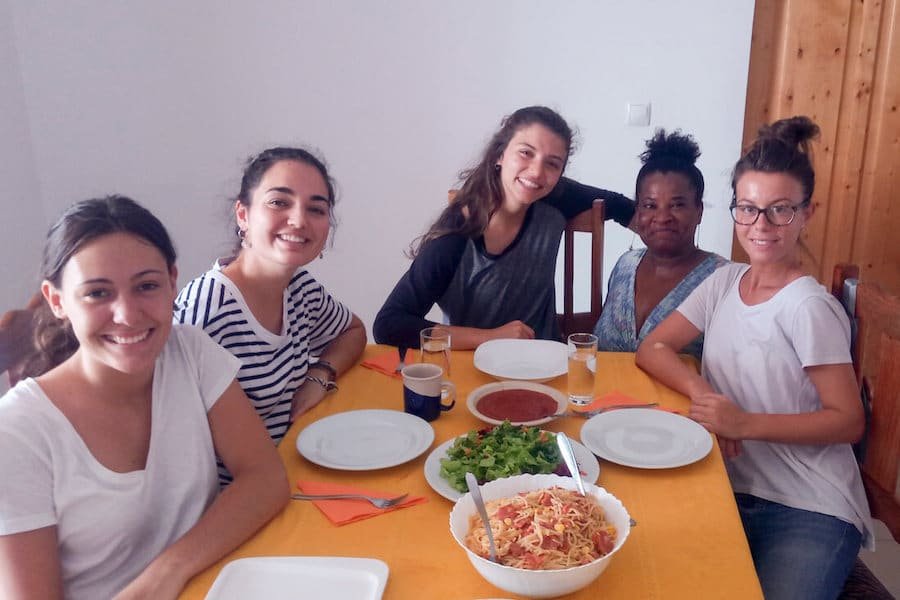

Arrival, Orientation, Accommodation & Meals
Your Arrival
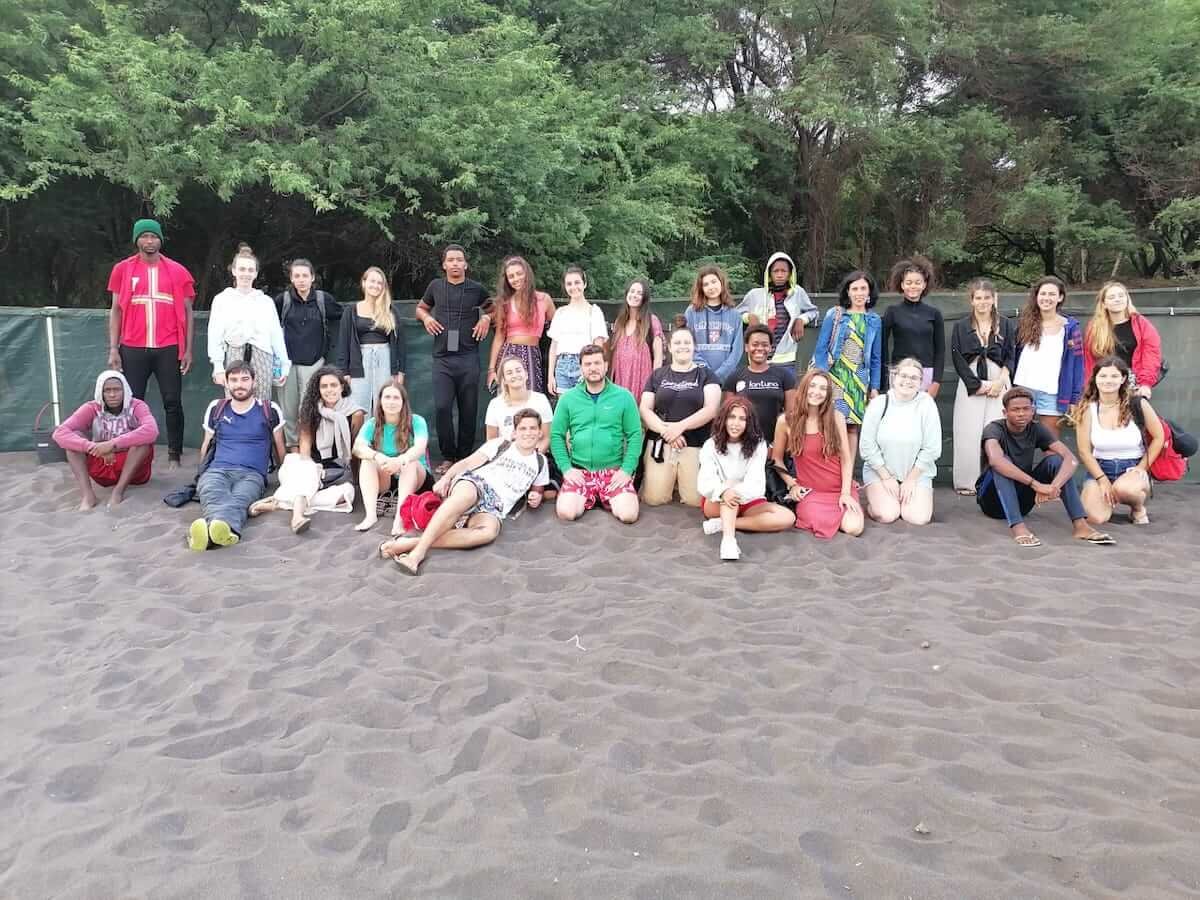
Get ready for a warm welcome to Cape Verde! Your adventure begins the moment you arrive, with our airport pick-up on Sunday at Praia International Airport (RAI). To ensure a smooth transition, we’ll provide you with all the necessary arrival and contact details when you book your program. The local team will be waiting for you, ready to transfer you to your accommodation where you’ll meet fellow volunteers from around the world.
Your Orientation
Orientation takes place on Monday and is led by an experienced local coordinator.
It covers:
-
local culture and customs
-
health and safety information
-
program expectations and daily routines
-
practical information about your placement and accommodation
This session helps you settle in, understand how things work locally, and feel prepared before starting your project.
Your Accommodation & Meals
Accommodation is included from Sunday night to Saturday morning of your final week.
You’ll stay in shared accommodation with other volunteers in single-gender dorm-style rooms. This setup allows you to connect with other participants while maintaining comfort and privacy. WiFi is available at the accommodation.
Single rooms may be available at an additional cost, subject to limited availability. Please contact us in advance if you’re interested.
Meals included:
-
Three meals per day from Monday to Friday
-
Two meals per day on weekends
Transparent Placement Pricing
1 Week: 975 Euro
2 Weeks: 1095 Euro
3 Weeks: 1535 Euro
4 Weeks: 1815 Euro
+1 Week: 735 Euro
* The culture week, construction & turtle programs have an extra fee of 95 Euro per week
Requirements to Join
-
Minimum age: 18
-
Insurance: Travel Insurance is Mandatory.
-
Background: Criminal background check (or two reference letters).
What is Included?
Provided by Abroad Escape (Registration Fee):
✓ Dedicated Placement Matching & Application Review
✓ Comprehensive Pre-Departure Support & Guides
Provided by the Local Partner (Local Project Fee):
✓ Airport Pickup & Local Orientation
✓ Safe Volunteer Housing & Meals (3x Mon-Fri, 2x Weekends)
✓ 24/7 On-the-ground support and project supervision
What is Not Included?
✕ Your Flights
✕ Mandatory Travel Insurance
✕ Visa costs & Criminal Record Checks
✕ Return airport transfer & Personal spending
Secure Your Spot with a Flexible Registration Fee
You don’t need to pay the full amount immediately. Lock in your placement today with a simple £175 / €200 / $225 Registration Fee.
-
1-Year Validity: If your plans change, your Registration Fee is valid for a full 12 months to use on any program worldwide.
-
Ultimate Flexibility: Change your project or start date up to 8 weeks before departure.
-
Easy Planning: Secure your place now, and pay the Local Project Fee balance just 8 weeks before you arrive.
Ready to Start Your Journey? Don’t miss out on your preferred dates, as summer placements fill up fast.
FAQ - Frequently Asked Questions Cape Verde
When should I apply?
We recommend applying as early as possible, as placements are limited, especially during peak travel periods. You can apply up to one year in advance. Late applications may be accepted up to three weeks before the start date, subject to availability.
How does airport pickup work?
Airport pickup is included and arranged on the designated arrival day for each destination. Full arrival instructions and local contact details are provided after acceptance. If you arrive earlier, a meeting point or alternative pickup can usually be arranged.
Can I volunteer with a friend, partner, or group?
Yes. You can apply together with a friend or partner by mentioning this in the application form. Group or family applications can also be organised on request.
How long does the application process take?
Once you submit your application, we review it promptly. In most cases, you will receive a response within 1–2 days, depending on availability and project requirements.
Is volunteering abroad free?
No. These are paid volunteer programs. Program fees contribute to accommodation, meals (where included), local coordination, orientation, and placement organisation. Full details are provided before any payment is requested.
How many hours per day will I volunteer?
Most volunteers work around 4–6 hours per day, Monday to Friday, depending on the project. Weekends are generally free for travel, rest, or exploration.
Do I need experience or qualifications?
Most programs do not require prior experience. Some specialised projects (for example, healthcare-related placements) may require relevant background or documentation. This is always confirmed before acceptance.
Can I receive a certificate after the program?
Yes. A certificate of participation can be provided upon request after successful completion of your program.
We are Loved ♥️ by our Trusted Customers

I volunteered in with Abroad Escape, which was definitely the best trip and the best experience of my life!
The program was a great experience for me. The kids I taught were very smart and happy. They were very willing to learn which was amazing.
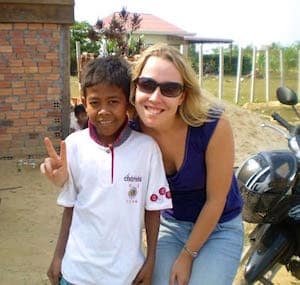
I had an amazing time in volunteering. I was happy with the whole experience and would love to go back in the future!