
Volunteer in Tanzania in Arusha & Dar Es Salaam with Abroad Escape.
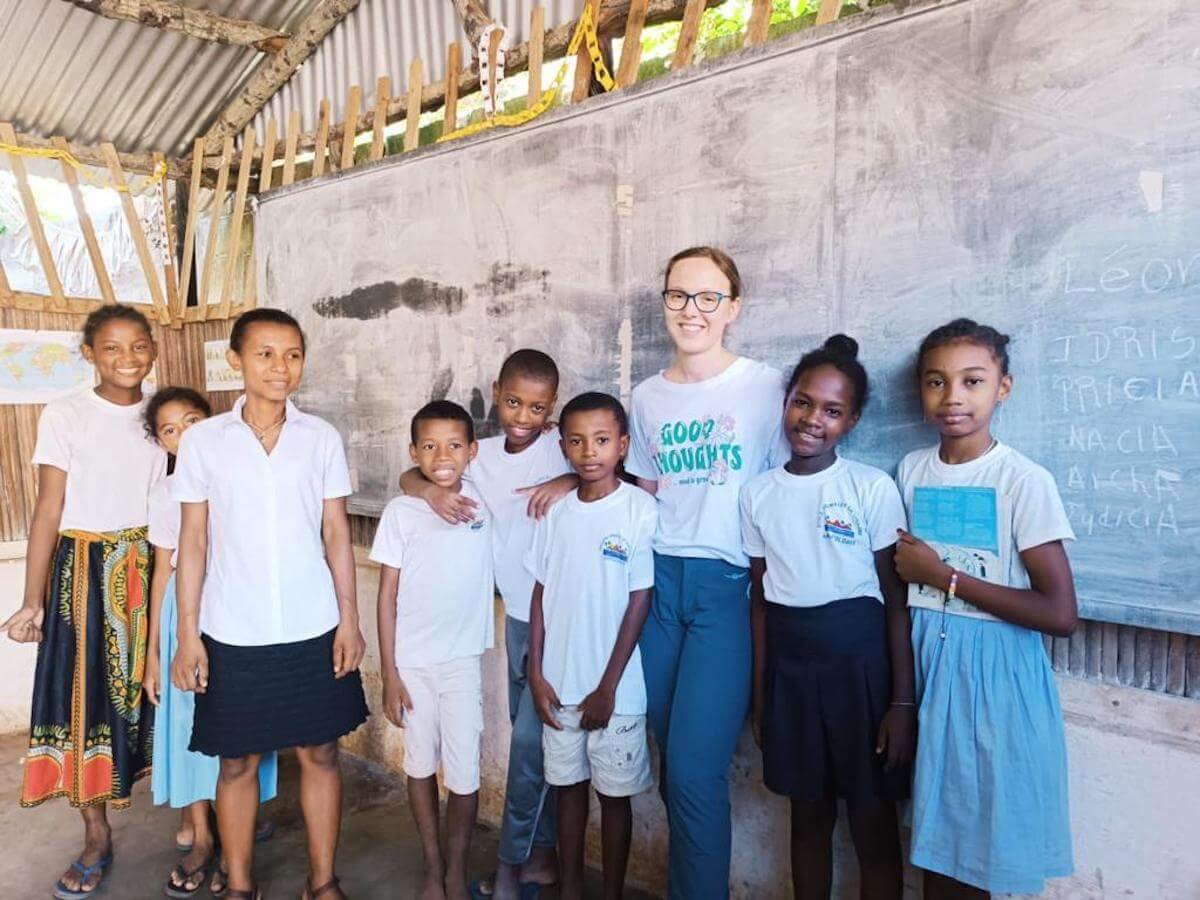
Tanzania is East Africa at its most extraordinary. From the Maasai villages of the Great Rift Valley to the Indian Ocean coast of Dar es Salaam, volunteering here puts you at the heart of communities where your contribution genuinely matters. Choose from 15 projects across two locations — teaching, medical, construction, wildlife conservation, women's empowerment, cultural immersion — and build your own week-by-week schedule.
Where You'll Be Based in Tanzania
Tanzania programs run across two distinct locations. You can choose one or combine both across a longer stay.
Monduli, Arusha (Northern Tanzania)
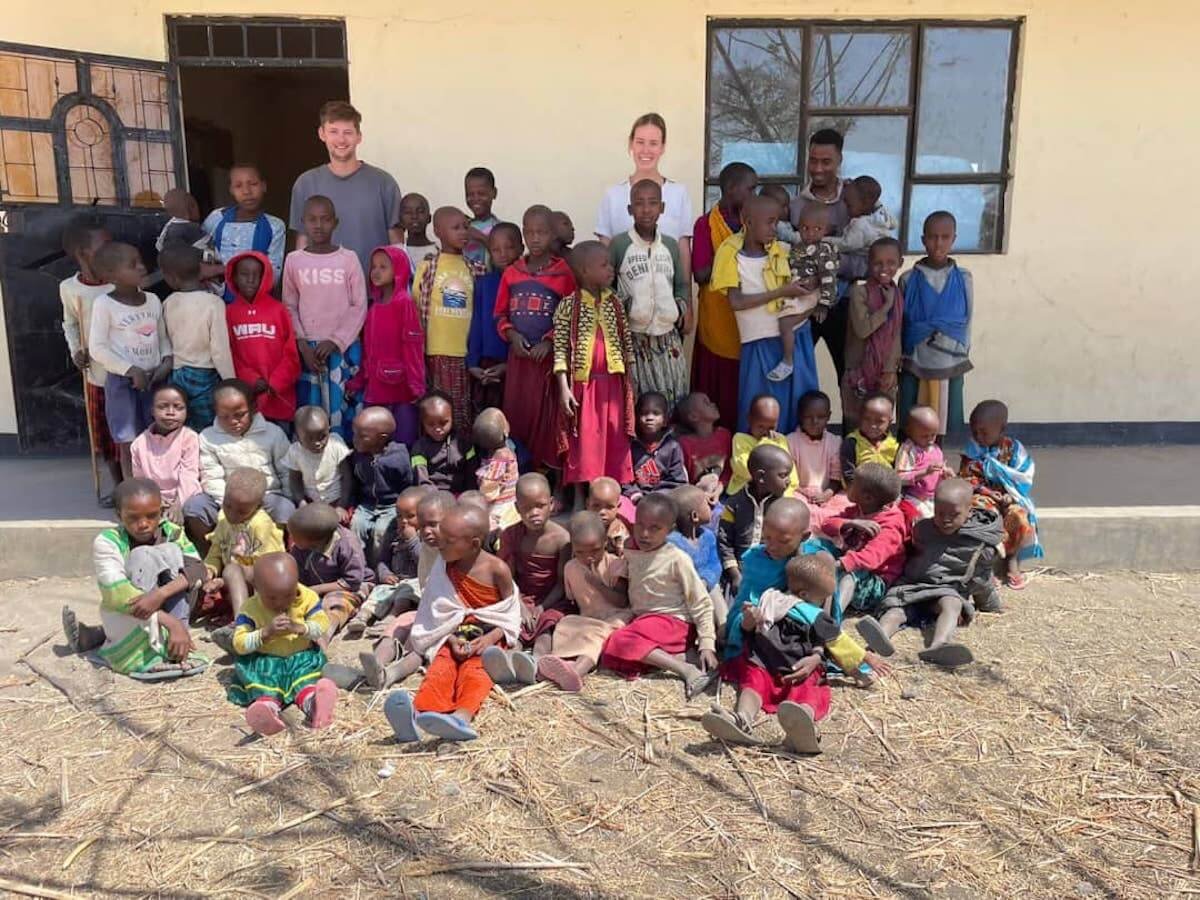
Monduli is a district in the Arusha Region, set in the landscapes of the Great Rift Valley at around 1,500 metres above sea level. It's the base for all Arusha projects — including the Maasai Tribal Immersion, which places you in the remote village of Moita, approximately 32km from Arusha city. The region sits within easy reach of some of Africa's greatest natural landmarks: Mount Kilimanjaro, Mount Meru, Lake Manyara, the Serengeti and Ngorongoro Crater. Arrive at: Kilimanjaro International Airport (JRO).
Dar Es Salaam (East Coast)
Tanzania's largest and most commercially active city, Dar es Salaam sits on the Indian Ocean and is a gateway to Zanzibar. Projects are based in the Madale area of the city. The name literally means "Haven of Peace" and the city reflects that — a mix of Swahili, German and British history, Indian Ocean beaches, and one of East Africa's most energetic urban cultures. Arrive at: Julius Nyerere International Airport (DAR).
Tanzania Volunteer Projects — Full Overview
Projects in Monduli, Arusha
- Arusha Culture Week — A full week of Maasai village visits, Swahili lessons, cooking classes, walking safaris and cultural immersion. Ideal as a first week.
- Arusha English Teaching — Assist local teachers in primary schools, teach kids aged 5–13, plan lessons and run after-school activities.
- Arusha Sports Coaching — Coach football, basketball, rugby and athletics to children aged 7–12 in Monduli community schools.
- Arusha Environmental Conservation — Tree planting, tree nursery work and environmental education at local schools, in partnership with a local women's group.
- Arusha Childcare — Support kindergarten and primary school teachers with children aged 3–6; games, songs, English basics and creative activities.
- Arusha Construction & Renovation — Renovate village school facilities — bricklaying, painting, carpentry, murals and landscaping. (€95/week surcharge — see pricing.)
- Arusha Medical Project — Shadow doctors and nurses at Arusha's second-largest hospital (100 beds, founded 1975). For medical/nursing students. (€195/week surcharge — see pricing.)
- Empowering Village Women (Arusha) — Work with Maasai women on financial literacy, table banking and income generation through beadwork. Based in Moita village.
- Maasai Tribal Immersion (Arusha) — Live in a Maasai village in Moita, herd livestock, learn beadwork, join daily community life. The most immersive program on offer. (€95/week surcharge — see pricing.)
Projects in Dar Es Salaam
- Dar Es Salaam Culture Week — City tour, Swahili cooking, Bagamoyo historical visit, beach day at Mbudya Island and local market exploration.
- Dar Es Salaam Teaching Assistant — Teach and care for preschool children aged 3–5 in a local government school; English, creative activities and childcare routines.
- Dar Es Salaam Childcare — Hands-on childcare at a government primary school — feeding, hygiene routines, creative learning and basic English.
- Dar Es Salaam Healthcare Education — Run healthcare campaigns in local schools in Madale; first aid, hygiene education and community health outreach. Medical background helpful but not mandatory.
- Dar Es Salaam Women Empowerment — Teach batik and handicraft making to women in Madale village as a route to financial independence and small business development.
- Dar Es Salaam Music & Arts — Teach music appreciation, singing, dancing and instruments to children in Madale. Bring your passion for music — no formal qualifications needed.
- Dar Es Salaam Construction — Renovate schools, community centres and mosques; painting, woodwork, bricklaying and general construction in Dar es Salaam's communities.
Arusha Volunteer Projects — Full Details
1. Arusha Culture Week
The best way to start your Tanzania experience. This week is built around getting to know the country — Maasai village visits, Swahili language training, a walking safari, cooking classes and a hike through the Monduli Mountains. You'll leave with the cultural grounding to make the most of every week that follows. Note: Culture Week carries an additional fee of €95/week.
More info
Culture Week is packed with activities that highlight Tanzania's diverse heritage — from Maasai livestock markets and beadwork workshops to craft galleries and local restaurant visits. Orientation sessions cover Tanzanian customs, do's and don'ts, and basic Swahili to help you connect with the community from day one.
What You'll Do
- Orientation covering house rules, health & safety, cultural do's and don'ts
- Intensive Swahili language lessons
- Guided hike up Monduli Mountains
- Visit Maasai Museum, Snake Park and Handicraft Gallery
- Witness the Maasai Livestock Market
- Traditional Tanzanian cooking class
- Walking safari to observe wildlife
- Beadwork session with Maasai women
- Explore Arusha Cultural Heritage Art Gallery and craft markets
Weekly Schedule
Monday: Orientation, Swahili lessons, compound tour, afternoon hike up Monduli Mountains.
Tuesday–Friday: Maasai Museum and Snake Park; Arusha town and art gallery; walking safari; beadwork and Maa language session. Cooking class Tuesday evening. Free exploration time Friday afternoon.
Schedule subject to change based on weather and local conditions.
2. Arusha English Teaching
Work alongside local teachers in Monduli primary schools, helping children aged 5–13 develop their English through games, songs and interactive lessons. Your energy and creativity make a measurable difference in rural classrooms that lack additional teaching support.
More info
English is part of Tanzania's curriculum, but kids in rural areas get limited practice. You'll fill that gap — planning lessons each afternoon, running extracurricular sports and arts activities, and bringing fresh ideas to a class of 10–30 students. Bring games, books, coloured pencils and anything representing your own culture — these make excellent lesson material.
What You'll Do
- Support local teachers in English classes using games and songs
- Plan and run extracurricular activities — sports, arts, crafts
- Design lesson plans that engage students aged 5–13
- Promote English language skills and cultural exchange
- Dedicate approximately 5 hours per day to teaching
- Spend afternoons preparing the next day's lessons
Why the Project Exists
- Rural Tanzanian schools have large classes and few resources for additional language support
- English proficiency opens access to further education and employment in Tanzania's growing tourism economy
Weekly Schedule
Monday: Orientation, team introduction, program overview, Swahili lesson, afternoon visit to Monduli Town for SIM card and currency exchange.
Tuesday–Friday: Leave for school at 8am, teach for a minimum of 4 hours, return to centre for lunch, afternoon teaching session (up to 2 hours), lesson preparation for the following day.
Schedule subject to change based on weather and local conditions.
3. Arusha Sports Coaching
Coach football, basketball, rugby, cricket and athletics to children aged 7–12 in Monduli community schools. Sport here isn't just recreation — it keeps kids engaged, builds discipline, and studies show that children who play sport perform better academically.
More info
You'll spend around 5 hours a day leading sessions. Equipment may be limited — you'll need to think creatively. Donations of sports gear are always welcome. You can also bring stories or items from home to enrich the children's experience beyond the pitch.
What You'll Do
- Teach essential skills and techniques across a variety of sports
- Organise games and activities to keep children engaged
- Monitor progress and provide encouragement and feedback
- Foster healthy lifestyles and sportsmanship
- Adapt coaching style to meet diverse needs
Why the Project Exists
- Structured sport coaching is scarce in rural Monduli schools
- Physical activity and team sports support both mental wellbeing and school performance
Weekly Schedule
Monday & Friday: Breakfast → travel to placement → sports coaching sessions → return to centre → lunch → free time (half day) → afternoon coaching session → dinner.
Tuesday–Thursday: Full coaching days at placement schools.
Schedule subject to change based on weather and local conditions.
4. Arusha Environmental Conservation
Tanzania has lost much of its original rainforest cover. This project works alongside a local women's group in Monduli to plant trees, run a tree nursery, and educate schoolchildren on conservation. You'll divide your time between fieldwork and school-based environmental education sessions.
More info
Daily tasks vary with season and weather. You might be out planting trees one day, preparing seedlings in the nursery the next, and running workshops with the school's environmental club the day after. If you're studying forestry or environmental science, this is a chance to apply your knowledge in a real-world African context.
What You'll Do
- Plant trees in community areas and new green zones
- Prepare seedlings and tend young plants in the nursery
- Run conservation workshops and interactive classes at local schools
- Create presentations, posters and storybooks about wildlife and sustainability
- Design educational games on tree planting and eco-friendly living
- Participate in cultural exchange with the women leading conservation efforts
Why the Project Exists
- Tanzania's seasonal weather and land pressures have severely reduced forest cover
- The partner women's group balances community development with environmental protection
- Local children need practical conservation education that the school curriculum doesn't currently provide
Weekly Schedule
Monday: Orientation, team introduction, Swahili lesson, afternoon visit to Monduli Town.
Tuesday–Friday: Morning at the plant nursery (seedbed preparation, bagging, seeding, weeding, watering) → lunch at centre → tree planting activities and/or educational engagement at community schools → evaluation and preparation for next day → dinner.
Schedule subject to change based on weather and local conditions.
5. Arusha Childcare
Support local teachers at kindergartens and primary schools in Monduli, working with children aged 3–6. You'll lead creative activities, help with English basics, and assist with the daily care routines that keep classrooms running.
More info
Ages 3–5 are critical developmental years. Your role is to bring energy, creativity and additional attention to classrooms that are stretched. No qualifications needed — genuine enthusiasm and patience are the only requirements.
What You'll Do
- Engage children in creative learning — drawing, singing, games, storytelling
- Assist local teaching staff with class management
- Help serve lunch to the children
- Teach basic English words, colours and numbers
- Prepare lesson plans for the following day each afternoon
Weekly Schedule
Monday–Friday: Breakfast → creative learning activities at placement → morning break → further activities → help serve children's lunch → lunch at accommodation → afternoon lesson planning → free time → dinner.
Schedule subject to change based on weather and local conditions.
6. Arusha Construction & Renovation
Renovate village schools in Monduli — bricklaying, painting, carpentry, landscaping and murals. You're not just fixing buildings; you're improving the environment where local children learn every day. Note: €95/week surcharge applies.
More info
Tasks range from structural work (bricklaying, furniture repair) to creative contributions (murals, garden layouts). A local coordinator and foreman guide you throughout. No prior construction experience required, but any skills you have will be put to good use.
What You'll Do
- Bricklaying, painting, carpentry and landscaping at school sites
- Restore furniture and repair classroom equipment
- Design and paint murals to brighten school spaces
- Work with a local coordinator and foreman on daily project priorities
Weekly Schedule
Monday–Friday: Breakfast → morning planning session with coordinator → travel to project location → construction and renovation activities → lunch → afternoon construction activities → return to centre → dinner.
Schedule subject to change based on weather and local conditions.
7. Arusha Medical Project
Shadow doctors and nurses across departments at Arusha's second-largest hospital — a 100-bed facility founded in 1975 that now handles paediatrics, maternity, radiology, HIV treatment, dental care and surgery. Approximately 50–70 procedures per month. For medical or nursing students. Note: €195/week surcharge applies.
More info
You'll rotate through departments experiencing both in-patient and outpatient care. Depending on your qualifications, you may assist with patient monitoring or community health outreach. If you can bring donated medical supplies, they are gratefully received — the hospital operates under significant financial pressure.
What You'll Do
- Shadow doctors, nurses and healthcare staff across departments
- Observe medical procedures and in-patient care
- Monitor patients and support outpatient consultations
- Participate in community health outreach where qualified
- Donate medical supplies if possible
Why the Project Exists
- Tanzania faces an estimated 56% healthcare staff shortage
- The hospital serves a large community with limited resources and ongoing funding challenges
Weekly Schedule
Monday–Friday: Breakfast → 6–8 hours assisting at the hospital, including breaks and lunch → dinner.
Schedule subject to change based on weather and local conditions.
8. Empowering Village Women (Arusha)
Work with Maasai women in the village of Moita on financial literacy, table banking, savings strategies and income generation through beadwork. Maasai society remains largely patriarchal — this program supports women who are carving out greater independence for themselves and their families.
More info
A locally trained coordinator facilitates all communication. The program begins with a night at the Monduli centre before travelling to Moita. You may be placed across different villages for a more immersive experience. Accommodation is basic and traditional — no reliable electricity or consistent mobile signal (Halotel provides the best 2G/4G coverage). Bring a power bank.
What You'll Do
- Share insights on healthy practices for women and children
- Discuss and develop sustainable income projects with the group
- Explain the importance of children's education
- Introduce table banking and community savings strategies
- Participate in cultural exchange — learn beadwork, daily routines and Maasai customs
Why the Project Exists
- Maasai women spend most of their day on labour-intensive household and livestock tasks with little time or access to formal income
- Financial literacy and small group savings schemes have proven transformative in similar East African contexts
Weekly Schedule
Monday–Friday: Breakfast → meet the women's group, discuss health and childcare → discuss sustainable income projects → lunch → education discussion → table banking and savings engagement → dinner.
In the village, things are done on an as-needed basis. Activities may change based on weather, community needs or ceremonies. Flexibility is essential.
9. Maasai Tribal Immersion (Arusha)
The most immersive program on the list. You'll live in a Maasai village in Moita, Arusha — herding livestock through the African bush, learning beadwork and sandal-making, joining daily community life and spending evenings around a fire hearing stories of the Maasai. Note: €95/week surcharge applies.
More info
The Maasai are one of East Africa's most iconic tribes — Nilotic in origin, known for their nomadic traditions, colourful dress and beaded jewellery. You'll spend your first night at the Monduli centre before travelling to Moita. Placements may be distributed across several villages. Accommodation is basic and traditional: squat toilets, bucket showers, limited solar power, minimal mobile signal. Bring a power bank. Halotel provides the best local coverage.
What You'll Do
- Accompany a Maasai warrior herding livestock through the bush
- Join women in morning activities — milking, fetching water, caring for livestock
- Learn to make Maasai beaded jewellery
- Learn to make traditional Maasai sandals from the men
- Teach basic English and play sports with village children
- Evening bonfire with Maasai legends and village stories
- Friday: Hike through African wilderness and picnic with valley views
Weekly Schedule
Monday: Orientation day in Monduli (introduction, Swahili lessons, Monduli town visit) → afternoon travel to Moita → registration at village chief's boma → dinner in Moita.
Tuesday: Full day herding livestock with a Maasai warrior (extended walking through the bush; during dry season June–October you may help dig for water).
Wednesday: Morning with the women — milking and water fetching → afternoon beadwork workshop → evening cooking class (your dinner).
Thursday: Another full livestock grazing day through the African bush.
Friday: Wilderness hike → valley picnic → evening bonfire with Maasai stories.
In the village, activities may change based on weather, community needs, ceremonies or other circumstances. Flexibility is not optional — it's the whole point.
Arrival, Orientation, Accommodation & Meals
Arrival
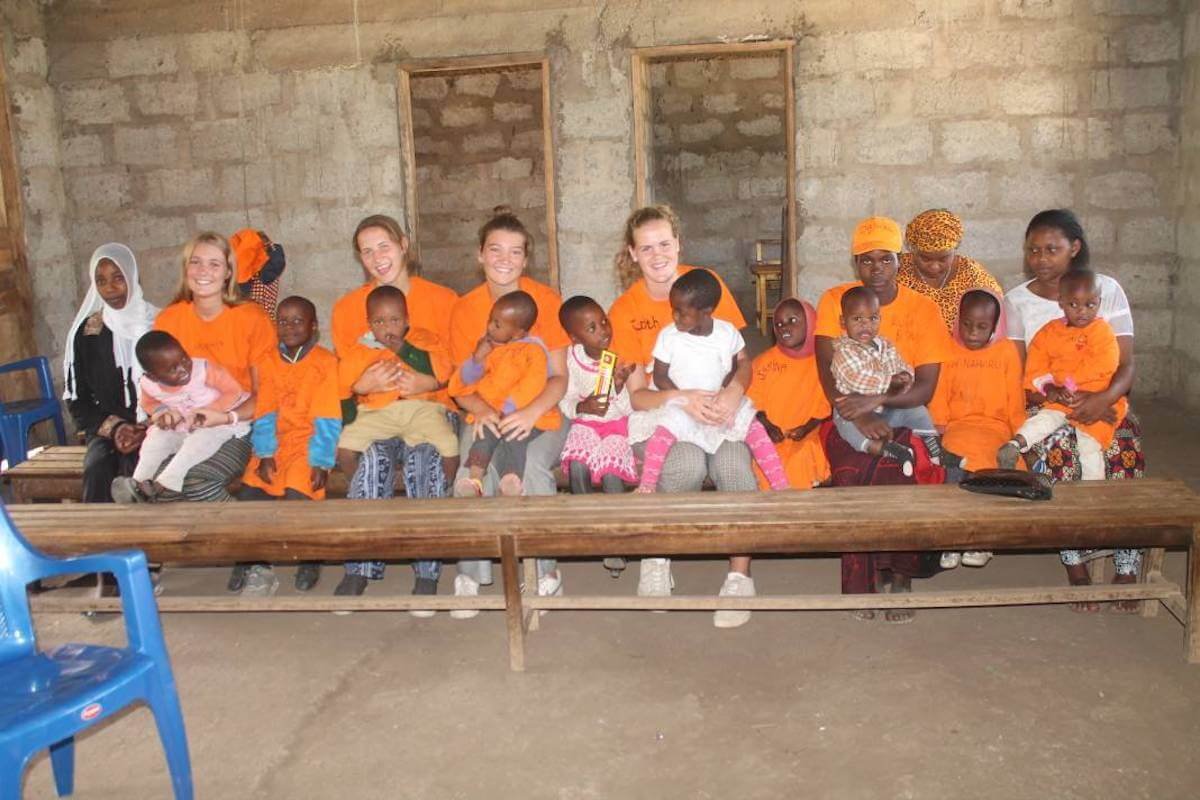
You arrive on Sunday. Airport pickup is included in your program. For Arusha projects, arrive at Kilimanjaro International Airport (JRO). For Dar Es Salaam projects, arrive at Julius Nyerere International Airport (DAR). Your local coordinator will be waiting to transfer you to your accommodation where you'll meet the rest of the volunteer group. Full arrival instructions and coordinator contact details are provided when you book.
If you're doing the Maasai Tribal Immersion or Empowering Village Women program, you'll spend your first night at the Monduli centre before travelling to Moita village on Monday after orientation.
Orientation
Monday morning is orientation day. Your coordinator covers house rules, project expectations, health and safety, local customs (Tanzanian do's and don'ts), child protection policy and media consent guidelines. You'll get a presentation on Tanzanian culture and history plus a basic Swahili lesson. After lunch, you'll visit the local town for a SIM card, currency exchange and ATM. Orientation is mandatory and sets you up for everything that follows.
Accommodation
Accommodation is included from Sunday night until Saturday morning of your last week. In Monduli (Arusha) and Dar Es Salaam, you'll stay in shared single-gender dorm-style rooms with other volunteers — comfortable and well-organised. For the Maasai Tribal Immersion and Empowering Village Women programs, accommodation is in a traditional village setting in Moita: basic squat-style toilets, bucket showers, limited solar power and minimal mobile signal. This is intentional — it's part of the experience. Bring a power bank; local staff will help charge it in the city periodically. Halotel provides the best local mobile coverage (2G/EDGE with occasional 4G).
Meals
Three meals per day are provided Monday to Friday; two meals per day on weekends. Vegetarian meals are available on request — confirm at the time of booking. Expect hearty East African cooking — rice, ugali, beans, stews, fresh vegetables and local fruit.
Free Time & Surroundings
Weekends are yours to explore. From the Arusha base, you're within reach of some of Africa's greatest natural wonders: Kilimanjaro, Ngorongoro Crater, the Serengeti, Lake Manyara and Mount Meru are all accessible on weekend trips. From Dar es Salaam, Zanzibar is a short ferry ride away. Your coordinator can help arrange weekend excursions — these are at your own cost but highly recommended.
Frequently Asked Questions — Volunteering in Tanzania
Is Tanzania safe for volunteers?
Tanzania is one of East Africa's most politically stable countries and has a strong track record as a volunteer destination. Both Arusha and Dar es Salaam are established program bases with experienced local coordinators. As with anywhere, common-sense precautions apply — don't display valuables, follow coordinator advice on areas to avoid, and use the buddy system at night. All volunteers receive a full safety briefing on arrival.
What is the Maasai Tribal Immersion really like? Is it too extreme?
It's genuinely immersive — basic accommodation, no reliable electricity, limited mobile signal, full days herding livestock. It's not for everyone. If you need reliable WiFi, a private bathroom and a comfortable mattress, this specific program probably isn't for you. But if you want to experience something genuinely unlike anything else available through a volunteering program, this is it. Read the full project description above and WhatsApp us if you have specific questions.
When should I apply?
As soon as you have a rough idea of your dates. Summer placements (June–August) fill quickly. You can apply now with a £185 Registration Fee and confirm your exact project and start date later — you have up to 8 weeks before departure to change either. There's no advantage to waiting.
What's the minimum stay?
One week, starting every Monday. Most volunteers stay 2–4 weeks. The Maasai Tribal Immersion and Women Empowerment program run for one week only by design; all other programs can be extended week by week up to 12 weeks.
Ready to Volunteer?
Tell us roughly when you're thinking, how many weeks, and which project (Teaching, Childcare, Special Needs, Medical). We'll come back within 24-48 hours on weekdays with a personalised proposal — available start dates, host family options, full price breakdown.