
Volunteer in Kenya with Abroad Escape
We work with trusted projects on the ground to place volunteers in meaningful, ongoing projects across Kenya. Our focus is on realistic roles, long-term impact, and clear support before and during your placement.
Our Kenya programs are based in Nakuru, northwest of Nairobi. You can join for 1 to 12 weeks, start on any Monday, and build a schedule around education, childcare, women empowerment, construction, environmental conservation, or wildlife conservation.
Kenya is a strong option if you want meaningful volunteer work with visible community impact, while staying supported with accommodation, meals, local coordination, and on-the-ground guidance.
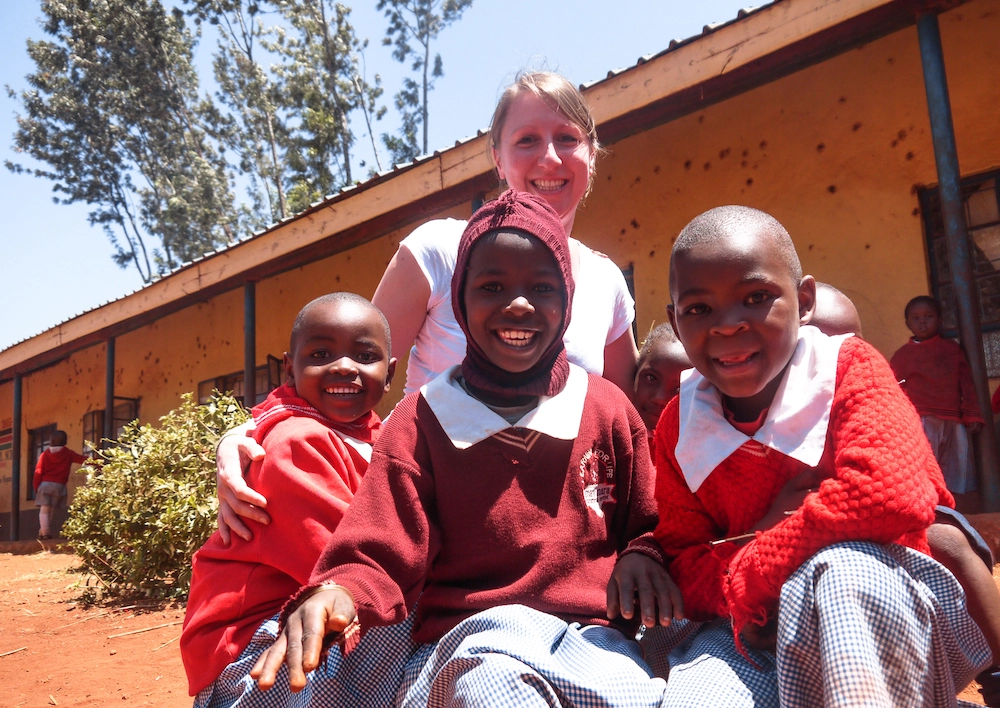
Meet your local coordinator in Kenya.

Is Kenya Right for You?
Kenya is a strong choice if you want a supported volunteer abroad experience with visible community impact in education, childcare, women empowerment, construction, environmental conservation, or wildlife conservation.
Programs are based in Nakuru, northwest of Nairobi, within Kenya’s Great Rift Valley. You can build a schedule from 1 to 12 weeks depending on your preferred project type, travel dates, background, and local availability.
Kenya works especially well for flexible, patient, and open-minded volunteers who are comfortable working in rural and semi-urban environments.
Choose a Recommended Kenya Path
You do not need to choose from every Kenya project alone. Start with one of these simple paths, or tell us your dates, interests, background, and budget, and we’ll help you build a realistic Kenya schedule around you.
Education and Childcare Path
Choose this path if you want to support schools, child development centres, daycare, preschool, or classroom-based activities in Nakuru.
Community Development Path
Choose this path if you want hands-on community work through Women Empowerment, Construction and Renovation, or practical support projects depending on availability.
Environment and Wildlife Path
Choose this path if your main interest is Environmental Conservation or Wildlife Conservation, with hands-on outdoor activities around Nakuru and nearby conservation areas.
Important: These paths are examples to help you start. Your final Kenya schedule depends on your travel dates, duration, background, project availability, and local partner capacity.
Example Kenya Volunteer Schedules
These are examples to make the Kenya options easier to understand. Programs are based in Nakuru, and your final schedule depends on your travel dates, duration, interests, background, project availability, and local partner capacity.
2-Week First-Time Community Example
Week 1: Culture adjustment, orientation, and Teaching Assistant or Childcare Placement in Nakuru.
Week 2: Continue Teaching Assistant or Childcare Placement for consistency, or switch to another available community project if it fits your dates and local availability.
3-Week Community Development Example
Week 1: Teaching Assistant or Childcare Placement in Nakuru.
Week 2: Women Empowerment or Construction and Renovation, depending on your interests and availability.
Week 3: Continue your community project or switch to another suitable Nakuru option.
2-Week Environmental Conservation Example
Week 1: Environmental Conservation activities such as nursery work, seedbed preparation, school gardening, and local conservation education.
Week 2: Forest walks, tree planting, Menengai Crater activities, ecological education, impact analysis, and project debrief.
2-Week Wildlife Conservation Example
Week 1: Wildlife conservancy orientation, game drive, giraffe tracking, ecological monitoring, invasive plant removal, and electric fence inspection.
Week 2: Soysambu Wildlife Conservancy, Dundori Tree Nursery, Dundori Forest tree planting, Menengai Crater ecological education, impact analysis, and debrief.
These are examples. Tell us your dates, interests, background, and budget, and we’ll help build a realistic Kenya schedule around your goals.
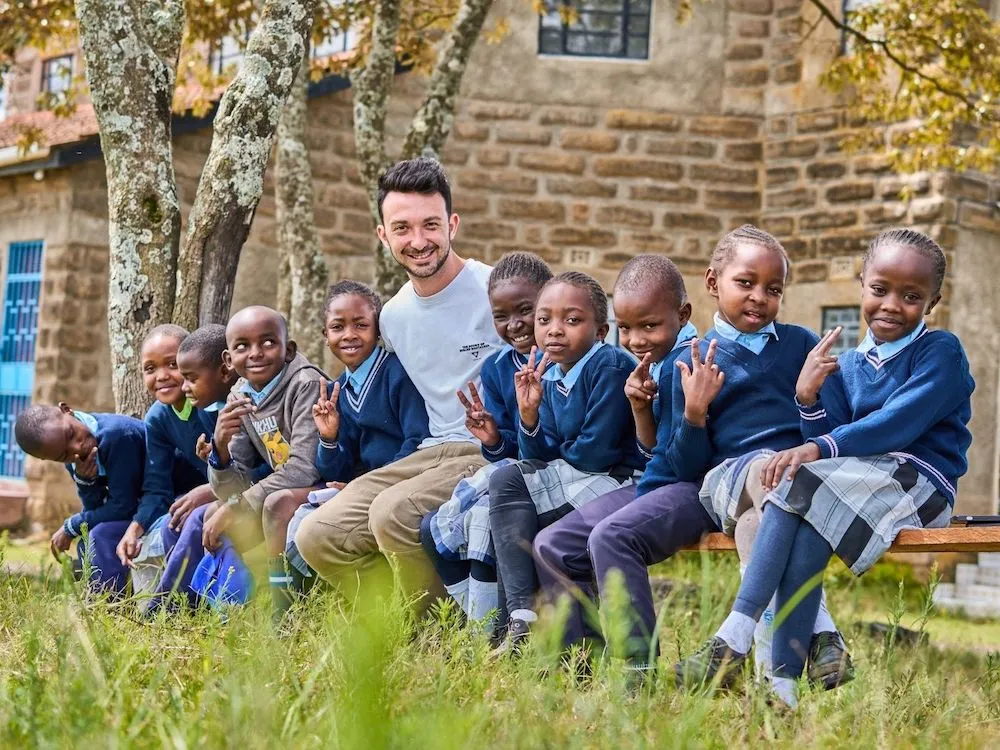
Project Options You Can Include in Your Kenya Schedule
Kenya gives you several ways to build your volunteer schedule in Nakuru. You can keep things simple with one project, or ask us to help you combine project types week by week depending on your dates, interests, background, and budget.
Use the cards below as a quick overview. The full project details, weekly schedules, requirements, arrival information, accommodation, meals, and support details are included further down the page.
Teaching Assistant
Support local teachers in rural schools and child development centres with English lessons, classroom activities, games, stories, songs, and lesson preparation.
Childcare Placement
Work with children from around six months to six years old in daycare or preschool settings, supporting play, songs, simple English, creativity, and daily routines.
Environmental Conservation
Support reforestation, seedbed preparation, tree nurseries, school gardening, forest walks, tree planting, ecological education, and impact analysis.
Women Empowerment
Support local women’s self-help groups through workshops on personal growth, financial literacy, entrepreneurship, health, leadership, and confidence-building.
Construction and Renovation
Help improve schools, clinics, homes, playgrounds, churches, and community spaces through building, painting, plastering, furniture repair, and light renovation.
Kenya Wildlife Conservation
Join conservation work around Nakuru, including giraffe tracking, ecological monitoring, invasive plant removal, fence inspection, tree nurseries, and forest restoration.
More Details About Each Kenya Project
Already know what interests you? Open the sections below for more detail about each Kenya option. If you are unsure, start with the recommended paths above or request a free Kenya proposal and we will help you choose.
Teaching Assistant in Nakuru
As a Teaching Assistant in Nakuru, you support local teachers in rural schools and child development centres. Your main focus is helping students practise English through simple, engaging, and confidence-building activities.
You spend your days inside local schools, working alongside teachers in rural Kenyan communities. Classrooms are simple, energy is high, and students are often curious to learn from someone from another part of the world.
Support goes beyond lessons. You may help with games, songs, stories, art, hygiene habits, materials, and activity-based programs during breaks or school holidays. Local coordinators guide the work and remain available if support is required.
What You May Help With
- Support English lessons and classroom activities
- Help students practise speaking and listening
- Use songs, stories, games, art, and creative activities
- Assist local teachers with classroom routines
- Help organise materials and learning activities
- Support activity-based programs during breaks or school holidays
- Encourage students to speak up and build confidence
Schedule
Monday to Friday
Your day is a mix of meaningful classroom activities and preparation.
Breakfast: Start the day with a nutritious meal before heading to the project.
Morning Activities: Head to the local school to assist staff with lessons, activities, and engaging with the children.
Lunch Break: Take a break and enjoy a meal.
Afternoon at School: Continue supporting teachers and students with lessons, games, or creative activities.
Lesson Preparation: Back at your accommodation, plan fun and interactive lessons for the next day.
Dinner: End the day with a meal and time to reflect on your experience.
Evenings are yours to relax, connect with others, or explore the local area.
Good For
- Education students
- Confident communicators
- First-time teachers
- Volunteers who enjoy working with children
- Participants interested in rural school life
The schedule may be adjusted depending on local or unexpected circumstances.
Childcare Placement in Nakuru
In rural Nakuru, you spend your time in a local daycare or preschool, working with children from around six months to six years old. Some centres are government-run, while others are supported by charities. All serve families with limited resources.
Your role is to support local teachers and caregivers through play, songs, simple stories, movement, art, and basic English exposure. The goal is steady encouragement that helps children learn naturally while feeling safe and supported.
You work side by side with local teachers, learning how early childhood education functions in Kenya while contributing your own ideas. Groups may be mixed-age or focused on toddlers or preschoolers, depending on the centre.
What You May Help With
- Support daycare or preschool activities
- Use songs, games, movement, stories, and creative play
- Introduce basic English through simple interaction
- Assist local teachers with daily routines
- Help plan lessons and prepare materials
- Support holiday activities and special events where available
- Create a warm and encouraging learning space
Schedule
Monday to Friday
Your daily routine includes working closely with local teachers and students in a fun and educational environment.
Morning: Start the day with breakfast. Spend 2 to 3 hours assisting local staff with lessons and engaging activities tailored to the children’s developmental needs.
Midday: Enjoy a lunch break and take time to recharge.
Afternoon: Return to the classroom for another 2 to 3 hours of interactive teaching and support, including creative activities such as storytelling, crafts, or play-based learning.
Evening: Use free time to plan engaging lessons and prepare materials for the following day. End the day with dinner and time to reflect.
Good For
- Caring volunteers
- Childcare interest
- Early years support
- Patient and creative travellers
- Volunteers who enjoy play-based learning
Requirements and Notes
- You work under local staff supervision.
- You support local teachers and caregivers; you do not replace them.
- Background checks or reference letters may be required.
The schedule may be adjusted depending on local or unexpected circumstances.
Environmental Conservation in Nakuru
Environmental Conservation in Nakuru is a hands-on project supporting local communities with forest restoration, biodiversity protection, environmental education, and sustainable ways of living.
You work closely with local residents who are responding to deforestation and climate challenges. Activities focus on reforestation, seedling care, school gardening, tree planting, forest walks, and practical environmental learning.
The work is physical, outdoor, and practical. You learn by doing, alongside people who understand the land because they live with it every day.
What You May Help With
- Tree nursery work and seedbed preparation
- Reforestation and indigenous tree planting
- School gardening activities
- Environmental education with children and community members
- Forest walks and ecological learning
- Vertical gardening and sustainable growing ideas where available
- Impact analysis and project reflection
Schedule
Week 1
Monday
You settle in with orientation, meet the team, learn about the project goals, and get familiar with the accommodation and local area.
Tuesday
You spend the day at a local tree nursery, helping with seedbed preparation and other tasks that keep the nursery running.
Wednesday
You continue working at the tree nursery, supporting daily activities that prepare seedlings for planting.
Thursday
You visit Dundori Forest to collect different leaf specimens and deepen your botanical knowledge of local species.
Friday
You head to a local school for gardening activities, where you plant tree seedlings and talk with children about environmental conservation.
Week 2
Monday
You join a forest walk combined with tree planting, hiking through a local forest and planting indigenous trees along the way.
Tuesday
You visit Menengai Crater for a hike and tree planting session, learning about the crater’s ecosystem while supporting restoration.
Wednesday
You return to Dundori Forest for another hike and tree planting day, helping restore forest areas with indigenous species.
Thursday
You go back to Menengai for further ecological education and hiking, with more opportunities to learn about the local environment.
Friday
You take part in an impact analysis and debrief, reviewing what has been achieved and reflecting on the results of the two weeks.
Each day usually includes around 5 to 6 hours of hands-on activities, giving you time to contribute while still having space to rest and take in the surroundings.
Good For
- Nature lovers
- Conservation students
- Outdoor volunteers
- People interested in sustainability and climate impact
- Travellers who enjoy practical field work
The schedule may be adjusted depending on local or unexpected circumstances.
Women Empowerment in Nakuru
Women Empowerment in Nakuru connects you with grassroots self-help groups led by local women. In and around Nakuru, more than fifty self-help groups meet regularly, led by women working toward stability for their families and independence for themselves.
Your role is supportive, practical, and personal. You spend time with women who may have had limited access to formal education, sharing knowledge that helps them move forward. Topics can include managing small incomes, starting local businesses, reproductive health, leadership, and decision-making.
Learning happens through conversation and shared effort. Workshops are interactive and built around real needs rather than theory.
What You May Help With
- Support workshops with local women’s groups
- Share knowledge on personal growth and confidence-building
- Assist with financial literacy and small business ideas
- Support entrepreneurship and leadership discussions
- Contribute to reproductive health or practical life-skills topics where appropriate
- Join collaborative group activities in villages
- Support environmental awareness discussions where included
Schedule
Monday to Friday
You dedicate around 4 to 6 hours daily to engaging with local women through workshops and collaborative activities. Working alongside a local Community-Based Organization, you visit women’s groups across villages to share knowledge and create practical learning experiences.
Morning: Begin with breakfast and travel to the village site. Teach interactive sessions on personal growth, financial literacy, entrepreneurship, or other relevant topics.
Midday: Enjoy a meal and reflect on the morning’s activities.
Afternoon: Continue sessions with a focus on knowledge sharing, skill-building, and collaboration.
Evening: Return to your accommodation for dinner and share experiences with fellow participants.
Good For
- Women empowerment interests
- Social impact and community development
- Volunteers comfortable with group facilitation
- Business, education, public health, or social work interests
- Participants who enjoy conversation-based work
The schedule may be adjusted depending on local or unexpected circumstances.
Construction and Renovation in Nakuru
Construction and Renovation in Nakuru brings you into rural Kenyan communities where safe housing and functional public spaces are still out of reach for many families. You work alongside local residents on practical building and repair tasks that support daily life.
Projects may involve schools, clinics, homes, churches, playgrounds, and community spaces. Local builders and coordinators guide the work, showing you how tasks are done with the materials available.
The focus is practical and useful: a repaired classroom, a safer roof, a restored shared space, or a facility that can be used again.
What You May Help With
- Building and repairing homes or community spaces
- Improving schools, playgrounds, clinics, or churches
- Painting, plastering, and furniture repair
- Mixing cement and carrying materials
- Basic carpentry and light renovation tasks
- Digging foundations where required and supervised
- Working alongside local builders and residents
Schedule
Monday to Friday
Morning: Begin your day with breakfast before heading to the project site. Receive a briefing from the coordinator outlining your tasks for the day.
Midday: Take a lunch break at a nearby facility or on-site, depending on the project setup.
Afternoon: Continue with construction or renovation activities, focusing on tasks such as building, painting, plastering, or repairing furniture. Work is usually around 4 to 5 hours each day.
Evening: Return to your accommodation, unwind over dinner, and reflect on the day’s progress.
Good For
- Hands-on volunteers
- Practical helpers
- People comfortable with physical work
- Team projects
- Volunteers interested in community improvement
The schedule may be adjusted depending on local or unexpected circumstances.
Kenya Wildlife Conservation in Nakuru
Kenya Wildlife Conservation places you inside a working wildlife conservancy where protection is hands-on and deeply local. You contribute to the care and protection of animals such as giraffes, birds, and Colobus monkeys while learning how fragile and interconnected the environment is.
One central focus is the endangered Rothschild giraffe. You help monitor movements, observe behaviour, and support long-term efforts to keep the population stable. The project also includes habitat restoration, tree planting, invasive plant removal, fence inspection, and community-linked sustainability work.
This project suits people who enjoy being outdoors, staying curious, and getting involved rather than observing from a distance.
What You May Help With
- Giraffe tracking and ecological monitoring
- Wildlife observation and field data support
- Removal of invasive plants from grazing areas
- Inspection and clearing around electric perimeter fences
- Tree nursery work and reforestation support
- Dundori Forest tree planting
- Menengai Crater ecological education and restoration
- Impact analysis and project debrief
Schedule
Week 1
Monday - Orientation
Start with a warm welcome. Get to know the team, learn about the projects, and explore your accommodation centre as you prepare for the journey ahead.
Tuesday - Wildlife Conservancy
Begin your conservation work with a game drive through the Kigio Wildlife Conservancy. Experience the landscapes and learn about the wildlife found in the area.
Wednesday - Giraffe Tracking and Ecological Monitoring
Join a giraffe tracking expedition with conservationists to monitor endangered Rothschild giraffes, observe their behaviour, and contribute to their protection.
Thursday - Removal of Invasive Plants
Help restore the ecosystem by working with the conservation team to remove invasive plant species from grazing areas, making the habitat healthier for wildlife.
Friday - Electric Fence Inspection
Assist in inspecting the electric perimeter fence that protects the conservancy. Help clear overgrowth and ensure the fence is functioning properly to safeguard wildlife.
Week 2
Monday - Soysambu Wildlife Conservancy
Enjoy a full-day game drive in Soysambu Wildlife Conservancy. Spend time in nature spotting diverse wildlife and bird species.
Tuesday - Dundori Tree Nursery
Visit the Dundori Tree Nursery to learn about tree seedling care. Work alongside local women to support reforestation efforts and nurture young trees.
Wednesday - Dundori Forest Hike and Tree Planting
Hike through Dundori Forest Reserve and plant indigenous trees to restore biodiversity and contribute to a greener environment.
Thursday - Menengai Crater Hike and Ecological Education
Explore Menengai Crater on a scenic hike while learning about its ecosystem. Participate in tree planting activities to support conservation efforts.
Friday - Impact Analysis and Debrief
Reflect on your journey with a collaborative impact analysis report, share your experiences, and join a debriefing session to discuss progress and insights.
Good For
- Wildlife lovers
- Conservation students
- Outdoor volunteers
- Animal-focused travellers
- People interested in habitat restoration and ecological monitoring
The schedule may be adjusted depending on local or unexpected circumstances.
Arrival, Location, Accommodation and Meals
Your Arrival
Airport pickup is arranged on Sunday from Jomo Kenyatta International Airport. Full arrival instructions are provided after acceptance, so please wait to book flights until your place is confirmed.
A member of the local team will meet you and transfer you to your accommodation, where you will meet other volunteers.
Your Location: Nakuru
Kenya programs are based in Nakuru, located northwest of Nairobi in Kenya’s Great Rift Valley. Nakuru is the fourth largest city in Kenya and the administrative centre of Nakuru County, with strong roots in farming, trade, and transport.
The city lies roughly 160 kilometres northwest of Nairobi, close to the Mau Escarpment and the protected landscapes surrounding Lake Nakuru National Park.
Your Orientation
Orientation takes place on Monday and is led by an experienced local coordinator.
Orientation covers local culture and customs, health and safety information, program expectations and daily routines, and practical information about your placement and accommodation. This helps you settle in, understand how things work locally, and feel prepared before starting your project.
Accommodation
Accommodation is included from Sunday night to Saturday morning of your final week.
You stay in volunteer housing arranged before arrival, with local coordination and support available during your stay. Exact room setup and facilities are confirmed in your proposal and pre-departure details.
Meals
Meals are included during your program. The standard meal plan is three meals per day from Monday to Friday and two meals per day on weekends.
What Is Included
- Project placement
- Comprehensive pre-departure guides
- Airport pickup and local orientation
- Volunteer housing
- Meals: three per day Monday to Friday and two per day on weekends
- On-the-ground support and project supervision
What Is Not Included
- Flights to and from Kenya
- Mandatory travel insurance
- Visa costs
- Criminal record check or reference letters where required
- Return airport transfer
- Personal spending money
- Optional activities
Requirements to Join
- Minimum age: 18
- Travel insurance is mandatory
- Criminal background check or two reference letters may be required
Accommodation, meals, local arrangements, and project logistics can vary by project, date, and local conditions. Final details are confirmed in your proposal before you book flights.
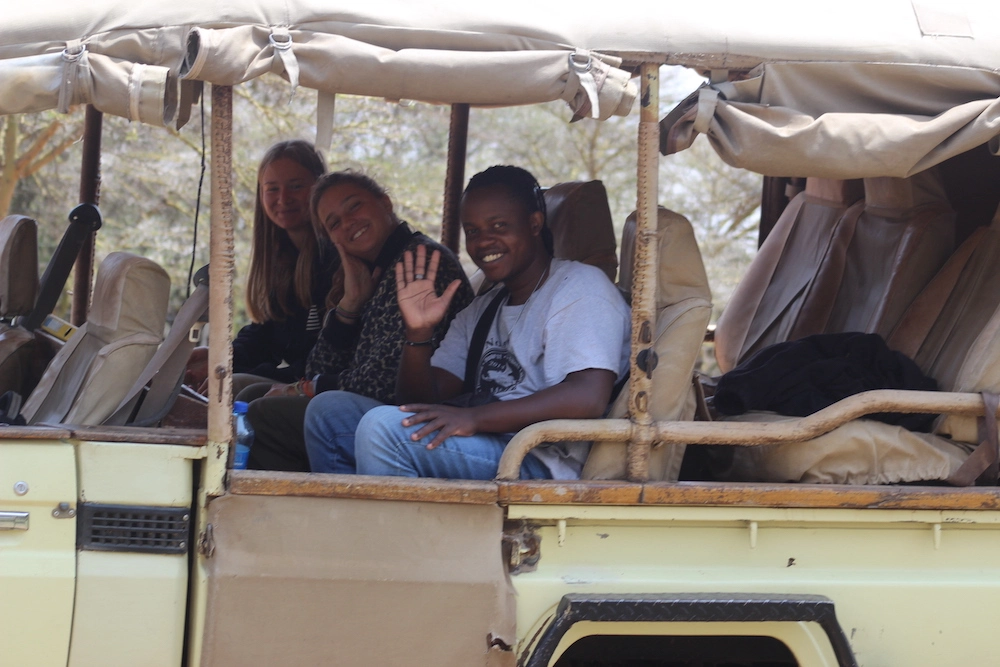
Kenya Volunteer Program Prices
One clear total price. No separate registration fee. Your total program price includes Abroad Escape guidance, your project placement, and the listed local support, accommodation, meals, airport pickup, and orientation.
To reserve your place, you pay a €200 / £175 / $250 deposit. Your deposit is deducted from your total program price. It is not an extra fee.
| Duration | EUR | GBP | USD |
|---|---|---|---|
| 1 Week | €765 | £680 | $940 |
| 2 Weeks | €995 | £880 | $1200 |
| 3 Weeks | €1295 | £1160 | $1555 |
| 4 Weeks | €1595 | £1430 | $1920 |
| Each Additional Week | €395 | £360 | $495 |
Project supplements:
* The Medical, Environmental & Construction Projects has an extra fee of €75/£70/$95 per week
* The Wildlife Conservation has an extra fee of €295/£290/$325 per week
Secure Your Place With a €200 / £175 / $250 Deposit
You don't need to pay the full amount immediately. Lock in your placement today with a deposit of £185 / €200 / $245. Your deposit is deducted from your total program price. It is not an extra fee.
Flexible Changes
You can request a free change of date, destination, or program up to 30 days before your start date, subject to local partner availability and any price difference.
Balance Payments
Your remaining balance is due 45 days before your program start date.
What Is Included
Your project placement, airport pickup on arrival day, local orientation, shared volunteer housing & meals (3x Mon–Fri, 2x Weekends), local coordinator support, and pre-departure guidance.
What Is Not Included
Flights, travel insurance, visa costs if required, vaccinations, background check, return airport transfer and personal spending.
Requirements to Join
Minimum age: 18
Insurance: Travel Insurance is Mandatory
Background: Criminal background check (or two reference letters)
Start With a Free Volunteer Proposal
No payment. No commitment. Tell us your travel month, duration and interests. We’ll recommend a volunteer plan.
- Get help choosing the right volunteer project
- See a suggested week-by-week schedule
- Receive the total price, inclusions, and next steps
Ready to take the first step?
Click below and we’ll help you choose the best program for your dates and goals.
Get My Free ProposalKenya Volunteer Program FAQs
Quick answers before you request your Kenya proposal or choose a volunteer project in Nakuru.
Where are the Kenya programs based?
Kenya programs are based in Nakuru, located northwest of Nairobi in Kenya’s Great Rift Valley. Projects include education, childcare, environmental conservation, women empowerment, construction and renovation, and wildlife conservation.
Which airport should I fly into?
You should fly into Jomo Kenyatta International Airport. Airport pickup is arranged on Sunday. Please wait for confirmation before booking flights.
When should I arrive?
Arrival is normally on Sunday, with orientation on Monday before your project begins. Your exact arrival details will be confirmed before you book flights.
When do Kenya programs start?
Kenya programs can start on any Monday, depending on your chosen project, duration, and local availability.
How long can I volunteer in Kenya?
Kenya programs are available from 1 to 12 weeks, depending on your chosen project, dates, and local availability.
What projects are available in Kenya?
Kenya project options include Teaching Assistant, Childcare Placement, Environmental Conservation, Women Empowerment, Construction and Renovation, and Kenya Wildlife Conservation.
Can I combine different Kenya projects?
Yes, projects can often be combined week by week, depending on your travel dates, duration, background, project requirements, and local availability. Environmental Conservation and Wildlife Conservation follow more structured two-week schedules.
Do I need experience?
Most Kenya volunteer projects do not require formal experience. You should be reliable, respectful, flexible, patient, and ready to follow local guidance. Projects involving children may require a background check or two reference letters.
Is Kenya suitable for first-time volunteers?
Kenya can work well for first-time volunteers who are open-minded, flexible, and comfortable in rural or semi-urban environments. If you are unsure, we can help you choose a realistic project and schedule before you apply.
Where will I stay?
Accommodation is included from Sunday night to Saturday morning of your final week. You stay in volunteer housing arranged before arrival, with final room setup and facilities confirmed in your proposal and pre-departure details.
Are meals included?
Yes. Meals are included during the program. Kenya programs generally include three meals per day from Monday to Friday and two meals per day on weekends.
Can I travel alone?
Yes. Many participants travel alone. You will be met on the scheduled arrival day, transferred to your accommodation, and have local coordinator support during your program.
Can parents contact Abroad Escape?
Yes. Parents or guardians can contact Abroad Escape with questions before booking. We can also provide a clear proposal by email with the program, price, inclusions, exclusions, and next steps.
How do I choose the right Kenya project?
Send us your travel month, duration, interests, background, and rough budget. We will recommend the most realistic Kenya option and help build a simple schedule around you.
How does the deposit work?
To reserve your place, you pay a €200 / £175 / $250 deposit. This deposit is deducted from your total program price. It is not an extra fee.
When is the remaining balance due?
Your remaining balance is normally due 45 days before your program start date, unless your proposal states otherwise.
Can I change my date, destination, or program?
You can request a free change of date, destination, or program up to 30 days before your start date, subject to local partner availability and any price difference.
Which Kenya projects have an extra weekly supplement?
The Medical, Environmental, and Construction projects have an extra fee of €75 / £70 / $95 per week. Wildlife Conservation has an extra fee of €295 / £290 / $325 per week.
What happens after I request a proposal?
We review your dates, interests, budget, and background, then send you a suggested Kenya plan with the total price, what is included, what is not included, and the next steps.